
Stages of Alcoholism: Signs, Risks, and When to Get Help


Dr Olalekan Otulana
Most people searching for the stages of alcoholism are doing it for one of two reasons. Either you have started to worry about your own drinking, or you are watching someone you love, a partner, a parent, an adult child and something feels wrong. Both reasons are valid, and both deserve a straight answer.
Alcohol addiction progresses through multiple stages over time. What doctors now call alcohol use disorder starts with social drinking or stress relief and gradually shifts toward physical tolerance and compulsive use. In the UK, 24% of adults report binge drinking regularly, and alcohol caused 7,912 deaths in England during 2022. These are not just statistics about other people. They are about patterns that begin quietly and build.
The stages below are not about judgement. They are about understanding risk, because the earlier someone acts, the easier it is to turn things around. Professionals suggest that recovery from alcohol use disorder can begin at any stage of the disorder. Whether you are reading this about yourself or a loved one, help is available across the UK, including free, confidential guidance through Help with Addiction.
What Actually Decides the "Stage" of Alcoholism?
Stages are based on patterns of alcohol consumption, tolerance, dependence, and consequences not on a single symptom. The DSM-5 lists 11 criteria for diagnosing alcohol use disorder, with severity ranging from mild to severe. In 2022, 29.5 million people worldwide had a diagnosable alcohol use disorder. Here is what moves someone along the spectrum:
How often they drink alcohol and how much per session or week
Whether they binge drink – defined as 4 or more drinks for women and 5 or more drinks for men in a single sitting
Whether they experience craving or loss of control over alcohol intake
Whether withdrawal symptoms appear when they cut down
Tolerance: needing more alcohol to get the same effects, developing over months or years of repeated alcohol consumption
Dependence: the body and brain have adapted to expect alcohol. Stopping suddenly triggers shaking, sweating, nausea, anxiety, and in heavy drinkers can cause seizures
The progression of AUD moves from social drinking to physical tolerance and compulsive use. At every stage, health risks build in the background, especially liver damage, heart problems, and brain changes, even before blood tests flag anything obvious. In this article, we use four simple labels: early, middle, chronic, and end-stage alcoholism.
Stage 1: Early / Adaptive Stage of Alcoholism

This is when drinking starts to change from a choice into a habit. In the pre-alcoholic stage, alcohol is initially used for stress relief or social interaction. Many people at this point will not think of themselves as having an addiction, and family may simply see them as someone who “likes a drink.” But the brain and body are already adapting increasing tolerance and building psychological reliance which is why this is called the adaptive stage.
What Stage 1 Looks Like From the Inside
Looking forward to drinking alcohol every evening or weekend, using it to unwind, sleep, or cope with stress and low mood
Noticing that one glass of wine or one beer no longer touches the sides – needing two or three for the same feeling
Mild guilt or worry the morning after, but brushing it off quickly
Setting rules to feel in control: only drink after 6pm, never spirits, never alone then feeling anxious when those rules slip
UK patterns are common here: regular Friday binge drinking, opening wine while cooking most nights, adding pre-drinks before going out
No clear withdrawal symptoms yet, but restlessness, irritability, or low mood when you cannot drink
Early-stage alcoholism involves habitual drinking and sometimes memory blackouts after heavier nights
At this stage, many people could still cut down alone or with brief support. Ignoring it makes progression more likely. If alcohol is already affecting your sleep, that is worth paying attention to, understanding why you can’t sleep without alcohol is a useful starting point.
What Stage 1 Looks Like From the Outside
Drinking alcohol on more days of the week than before, finishing other people’s drinks, always first to suggest another round
Slightly heavier drinking on stressful days or after arguments
More frequent hangovers, small memory gaps after nights out, occasional snappy or withdrawn behaviour the next morning
Work, parenting, and personal relationships still function, but there is occasional lateness, minor money going on drink rather than bills, or driving the morning after while possibly still over the limit
This is the best time for a loved one to talk calmly about what they have noticed, suggest checking units together, and encourage speaking to a GP. Frame it around specific observations rather than labels.
Stage 2: Middle Stage Alcoholism

This is the point where alcohol abuse is clearly affecting daily life and relationships, and cutting down alone is becoming very difficult. Tolerance is well established, drinking is more frequent, and early withdrawal symptoms can appear between sessions. Middle-stage alcoholism is characterised by loss of control over drinking and physical dependence. Heavy drinking – consuming large amounts of alcohol regularly – is now the norm, even if the person still holds a job.
What Stage 2 Looks Like From the Inside
Feeling anxious, shaky, or sweaty if you go too long without a drink; early alcohol withdrawal symptoms in the morning that ease after an “eye-opener”
Planning the day around when and how you will drink alcohol
Thinking about drinking at work, during the school run, in meetings
Failed attempts to cut down; hiding bottles or minimising how much you are drinking, even to yourself
Blackouts becoming more frequent; drinking earlier in the day
Frequent heartburn, stomach pain, changes in appetite and weight, sleep disturbances despite passing out, and more frequent colds due to weakened immunity
Withdrawal symptoms begin within 6 to 12 hours after the last drink and can last from 3 to 7 days, including heart palpitations, nausea, and sweating
At this stage, stopping suddenly without medical advice can be dangerous. A person experiences real difficulty trying to control alcohol alone.
What Stage 2 Looks Like From the Outside
Drinking alcohol most days, repeatedly going well past the point where others stop
Strong reactions when alcohol is not available – anger, sulking, leaving events early
Arguments about how much they drink or money spent on alcohol; missing work, underperforming, abandoning hobbies or childcare responsibilities
Visible physical signs: flushed face, red eyes, weight changes, tremor in the hands in the morning, constant fatigue
Emerging mental health issues: anxiety, low mood, irritability, increasing isolation
This is a clear sign of alcohol use disorder, not just a fondness for a drink. Structured help – a GP, a community alcohol team, or residential rehab – is usually needed. Loved ones should consider support for themselves too, through family groups or advisory services like Help with Addiction.
Stage 3: Chronic / Late-Stage Alcoholism
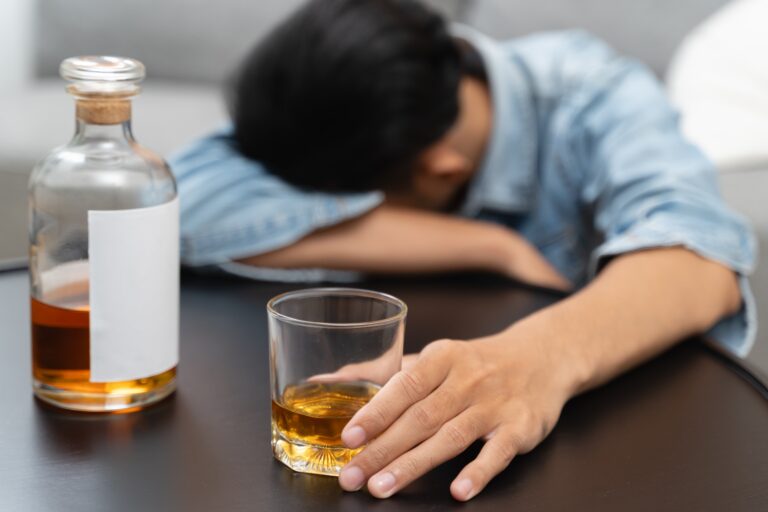
Chronic alcoholism is the stage where alcohol addiction dominates most areas of life and serious health damage is already present. The person is physically dependent, with regular withdrawal symptoms, and often needs to drink heavily simply to feel normal. Late-stage alcoholism includes compulsive consumption and severe health complications. Alcohol dependency develops after prolonged heavy drinking, and stopping without medical detox carries increased risk.
What Stage 3 Looks Like From the Inside
Waking up shaky, sick, or sweating until drinking; needing alcohol early in the morning
Drinking steadily throughout the day to stave off withdrawal – severe tremors, pounding heart, intense anxiety, nausea, vomiting, and possible hallucinations
Memory problems, blackouts, impaired ability to concentrate
Strong shame, hopelessness, or thoughts that “it’s too late now”; mental health disorders such as depression and anxiety worsening alongside the drinking
Awareness of physical damage – possible liver damage diagnosis, high blood pressure, hospital admissions – but feeling unable to stop drinking alcohol
Average life expectancy for men addicted to alcohol is estimated at 47 to 53 years
Professional treatment with medical detox and rehab is the safest and most realistic way to break the cycle at this stage.
What Stage 3 Looks Like From the Outside
Alcohol hidden around the house or car; drinking from the morning, often alone
Bills unpaid, job lost or at serious risk, mounting financial problems
Yellowing of the skin or eyes suggesting liver damage, recurrent infections, weight loss, malnutrition, looking physically frail
Strong isolation, avoiding events unless alcohol is guaranteed; mood swings, aggression, or tearfulness when challenged; neglect of hygiene, with most calories coming from alcohol
Risk incidents: repeated falls, drink-driving, emergency visits, or violence linked to alcohol use
At this stage, it is unsafe for the person to go cold turkey at home. Urgent medical assessment and a supervised alcohol withdrawal plan are needed. NICE clinical guidelines recommend inpatient detox for anyone drinking more than 30 units a day or with a history of seizures.
End-Stage Alcoholism: Life-Threatening Complications
End-stage alcoholism is when long-term alcohol abuse has caused severe damage to multiple organs and the risk of death is high without immediate treatment. AUD can lead to severe health degradation and psychological issues. This stage may follow years of dependency but can arrive faster with repeated consumption, poor diet, and co-existing health problems.
Physical Health Risks in End-Stage Alcoholism
Liver damage is a dangerous symptom: cirrhosis and liver failure after years of alcohol abuse, with jaundice, fluid in the abdomen, easy bruising, and confusion from hepatic encephalopathy
End-stage alcoholism increases the risk of heart failure and stroke; high blood pressure and irregular heartbeat are common heart problems at this severity
Persistent nausea and vomiting, stomach pain, ulcers, and gastrointestinal bleeding
People in end-stage alcoholism often experience malnutrition – most calories come from alcohol, and vitamin deficiencies cause weakness, nerve damage, and brain problems including Wernicke–Korsakoff syndrome
Memory loss, confusion, coordination problems, and cognitive decline that may not fully reverse
Weakened immunity and severe fatigue from disrupted sleep and body stress; frequent illness that spirals quickly
Alcohol withdrawal at this point can be life-threatening: end-stage alcoholism can lead to severe withdrawal symptoms like seizures, delirium tremens, and death – this must be managed in hospital or a specialist detox unit
Withdrawal symptoms from alcohol can include shaking, sweating, anxiety, and hallucinations; alcohol withdrawal symptoms begin within 6 to 12 hours
End-stage alcoholism caused 7,912 deaths in England in 2022; the likelihood of death from liver failure, bleeding, infection, or overdose is real but urgent treatment can still save lives
Research shows substance use disorder at this stage requires comprehensive medical intervention; there is no safe way to stop alone
What End-Stage Alcoholism Looks Like for Families
Your loved one is often isolated, rarely seen sober; repeated crises including ambulance calls and A&E visits
Neglected home, unpaid bills, possible eviction; lost job and social circle, relying on carers or family for basic needs
Minor injuries or small infections turn dangerous quickly because of weakened immunity
Feelings of exhaustion, grief, and fear are normal for families at this point
Seek emergency medical help via 999 or A&E for any signs of severe withdrawal: seizures, hallucinations, confusion, very high pulse. Contact specialist services for ongoing support and do not attempt unsupervised detox. Risk of pain, suffering, and suicide must be taken seriously
Not Sure What Stage You or Your Loved One Are At?
Many people recognise bits of several stages and feel unsure where they fit. That is completely normal. The AUDIT (Alcohol Use Disorders Identification Test) is a quick, evidence-based self-assessment used by GPs and alcohol services across the UK to gauge drinking risk.
If you are concerned about your own drinking, taking the quiz is private and gives an honest score
If you are worried about a loved one, you can answer based on what you see to gauge their risk
The result is not a formal diagnosis but a guide to whether you are in an early, middle, or more severe stage and what kind of support is likely to help
You can take the AUDIT-style quiz on the Help with Addiction website – it is a faster way to check than working through every symptom list yourself
What to Do Next, Depending on the Stage

Knowing the stage only matters if it leads to action. Recovery is possible at every stage, but the type of help needed changes.
Early/adaptive stage: Track your alcohol use in units, set clear limits, try alcohol-free days each week, and speak to your GP or a local alcohol service. Talk openly with family about your concerns. A brief intervention at this point can prevent years of harm.
Middle stage: Do not stop suddenly without advice. Speak to a GP or UK alcohol service about planned reduction, medication support, or community detox. Consider structured outpatient or residential rehab if repeated attempts to cut down have failed. Treatment can include medical detox and inpatient or outpatient care.
Chronic and end-stage: Do not attempt sudden withdrawal at home. Seek urgent medical assessment for safe detox in a hospital or specialist unit, followed by longer-term rehab and aftercare addressing both alcohol addiction and mental health.
For loved ones:
Focus on safety first no drink-driving no unsupervised withdrawal
Set boundaries around alcohol in the home
Seek support for yourself through family groups, advisory services, and specialist helplines
Help with Addiction offers free, confidential advice across the UK. We help you assess the stage and risk level based on what you share, then match you to suitable NHS or private detox and rehab options including local services and same-day admissions where appropriate.
You do not need a GP referral to speak to an advisor. Call the Help with Addiction helpline or use the online contact form today. Reaching out now, at whatever stage, can prevent further liver damage, heart problems, and years of harm that do not need to happen.