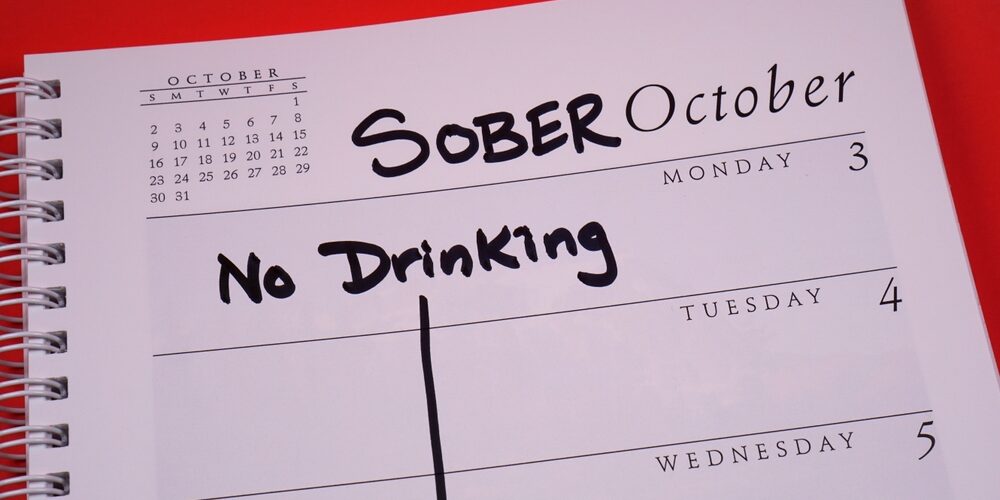


Sober October is a 31-day challenge to abstain from alcohol for the entire month of October. To do it, set a firm start date on the 1st of October, plan how you will handle your drinking triggers, use support tools like apps or helplines, and review your progress at month’s end. The concept grew alongside the stoptober campaign, the annual campaign launched in 2012 to help people stop smoking for 28 days, and both challenges now attract millions of participants each year.
Sober October is suitable whether you want a quick health reset, need to test whether your habit has become something more serious, or see it as a great opportunity to quit for good. It allows individuals to re-evaluate their relationship with alcohol and can aid in managing or overcoming alcohol dependence issues.
If the month reveals a deeper problem with alcohol – or other addictions such as smoking, drugs, or gambling – Help with Addiction offers free support and confidential guidance to connect UK readers with NHS or private treatment options.
Sober October evolved from small charity challenges in the late 2000s into a mainstream movement. By the mid-2010s, Macmillan’s Go Sober for October had recruited over 68,000 “Soberheroes” and raised £4.1 million in a single year. Meanwhile, Stoptober is a 28-day stop smoking challenge that began in 2012 as an NHS-backed campaign to encourage smokers to make a quit smoking attempt during October. Over 2.5 million people attempted to quit smoking since Stoptober’s launch, and the campaign has driven a measurable drop in smoking rates across England. Stoptober encourages quitting with community support and resources, and provides daily emails with quit smoking advice.
Both campaigns use the same behavioural insight: research shows that staying smoke free or alcohol-free for 28 days makes you roughly five times more likely to quit for good. This is why more young adults now join these challenges each October, choosing to drink less, breathe easier, and prioritise their overall health. While Stoptober focuses on helping smokers quit with tools such as the nhs quit smoking app and local stop smoking services, Sober October targets alcohol but can be a gateway to tackling other habits like vaping or cannabis.
A full month off alcohol delivers real, measurable rewards. Many report improved sleep quality, better mental clarity and mood improvement, and a noticeable boost in energy levels – people notice benefits like clearer thinking and improved energy levels within the first fortnight.
On the physical side, UK research shows that participants often experience better liver function, lower blood pressure, and weight loss from cutting empty alcohol calories. You may also see clearer skin and stronger immune function. These improvements in your body compound over the 31 days.
The mental health gains matter just as much. Reduced anxiety, fewer low-mood days, and the psychological boost of proving you can control your drinking all contribute to better wellbeing. Many participants feel a greater sense of emotional balance after completing Sober October – the same mechanism by which quitting smoking can reduce anxiety and depression symptoms.
Long-term, regular heavy drinking is a single biggest cause of preventable illness linked to liver disease, heart disease, and certain cancers including lung cancer when combined with tobacco use. Smokers lose on average 10 years of life after age 30, and smoking remains the single biggest contributor to premature death in the UK. Cutting alcohol reduces your risk profile, and using the momentum of Sober October to also quit smoking further reduces the risk of smoking related diseases and improves lung function – after 3 to 9 months of being smoke free, lung function increases by up to 10%.
The lifestyle knock-on effects are equally compelling. Removing alcohol costs can lead to significant financial savings, and alcohol-free months highlight spending habits, helping you save money and manage finances better. Weekends become more productive, physical activity replaces drinking sessions, and friends and family notice you are more present. If you find the month extremely difficult – experiencing cravings, withdrawal symptoms, or disrupted sleep – this is a helpful sign to seek extra support.
Treating Sober October like a structured plan rather than hoping for the best makes success far more likely. Having a support system can increase success rates in completing the challenge, so build one before you start.
Set a clear goal first. Decide whether you are aiming for 31 alcohol-free days only, or using the month as a launchpad for longer-term change – perhaps reducing drinking permanently, tackling smoking triggers, or beginning a quitting journey towards a completely smoke free life. Most smokers who quit successfully started with a single, defined quit attempt.
Prepare before the 1st of October. Removing alcohol from the home can help prevent temptations during Sober October. Tell your family and close friends about your plan, stock up on non-alcoholic drinks for social events, and decide what you will say when offered a cigarette or a drink. Stocking up on non-alcoholic alternatives aids in maintaining sobriety during social situations. If you also want to stop smoking, access your local stop smoking service – you are four times more likely to quit with local stop smoking services than going it alone.
Identifying personal triggers is crucial for successfully completing Sober October. List the times, places, and emotions that usually lead to drinking or smoking – Friday nights, work stress, boredom. For each trigger, plan an alternative: a gym session, a walk, a hobby, or calling a friend. Engaging in new hobbies can fill time previously spent drinking. Practicing mindfulness can alleviate cravings when they hit unexpectedly.
Use tracking tools to reinforce commitment. A sobriety tracking app or journal works the same way a smoking app tracks days smoke free and money saved. Tracking progress can reinforce commitment to completing Sober October. For those also making a quit smoking attempt, the NHS Quit Smoking app and local stop smoking service offer structured quit plans and nicotine replacement advice.
It is beneficial to plan for social events in advance when participating in Sober October. Choose venues like cinemas, coffee shops, or daytime walks where alcohol is not the focus. Being honest with friends creates accountability and makes it normal to order something non-alcoholic.
Build a daily check-in routine. Mark each alcohol-free day on a calendar, note your mood, sleep, and taste for life returning. After 48 hours of quitting smoking, senses of taste and smell improve noticeably. Watch your savings grow and celebrate small wins. Participants can reset habitual drinking behaviors during a month of sobriety.
If cravings feel unmanageable, or you notice breathing problems, withdrawal symptoms, or find yourself substituting one substance for another, contact Help with Addiction for free, confidential guidance and links to NHS or private treatment.
Willpower alone is often not enough. Evidence from Alcohol Change UK shows that using structured tools doubles the odds of completing a dry month compared to solo attempts. Stoptober offers a range of tools and resources for quitting smoking that follow the same principle.
Digital sobriety trackers count alcohol-free days, show money saved, and deliver daily motivational tips and practical tips to stay on track. Many people use the same style of tracking when they want to quit smoking or vaping, staying motivated throughout the month.
UK readers who also want to stop smoking in October can access the nhs quit smoking app and local services promoted during the stoptober campaign. These offer quit plans, nicotine replacement, one-to-one advice, and community support. Combining expert support with quit aids triples quitting success rates – a fact that applies to both alcohol and tobacco.
Peer support matters too. Online forums, social media hashtags, and in-person groups such as SMART Recovery provide encouragement. The right support network can be the difference between a successful attempt and an early lapse.
At Help with Addiction, we offer free, confidential guidance to anyone who finds Sober October harder than expected. We help assess drinking, smoking, or gambling habits and match people to appropriate NHS or private detox, rehab, or counselling – including dual diagnosis services for those experiencing depression, anxiety, or other mental health conditions alongside addiction.
Do not wait until things feel out of control. Sober October is an ideal moment to reach out early, while you are already motivated and experimenting with change. Seeking advice now, at any age, is the healthiest step you can take.
Reaching the 31st of October is a milestone worth reflecting on. Look back at what changed – your energy, mood, sleep, finances, and relationships. Sober October can lead to better mental clarity and mood improvement that lasts well beyond the month itself.
Ask yourself honest questions. Was it easier or harder than expected? Which situations tempted you most? Did you also notice improvements from cutting down on smoking or other habits? After completing the challenge, many people notice improvements in how they smell, how they breathe, and how much healthier they feel overall.
Capture your insights. Write a short summary, compare a typical weekend before October with one at the end, and note any weight loss, better sleep, or money saved. Cutting alcohol can help in weight management by reducing empty calories, and these gains are worth documenting.
You now have three clear options: return to drinking with new boundaries, extend sobriety into November and beyond, or seek more formal support if controlling alcohol proved extremely difficult. If you slipped during the month, treat it as a learning opportunity – not a failure. Almost every successful quitting journey involves setbacks.
For anyone whose drinking, smoking, or other behaviours are affecting work, relationships, or health, Help with Addiction can help you explore rehab, detox, outpatient counselling, and longer-term aftercare across the UK. Completing or even attempting Sober October is a strong step towards a healthier, more balanced life. Change is possible at any age, and with the right support, you can make the benefits last.
Dr Otulana has been practising medicine since 2000 and brings over a decade of dedicated experience as an Addiction Physician. He is a highly experienced Physician with a Specialist Interest in Substance Misuse Management, with extensive expertise in the assessment, treatment, and safe detoxification of individuals facing drug and alcohol dependency. His clinical work spans a broad range of complex addiction presentations, ensuring patients receive thorough, evidence-based care tailored to their needs.
Known to many as Dr Ola, he adopts a compassionate, person-centred approach to treatment. He carefully considers each individual’s previous experiences of detoxification and rehabilitation, shaping care plans that are responsive, respectful, and clinically robust. His commitment to delivering high-quality, individualised care has consistently generated positive feedback from patients and colleagues alike.
Alongside his clinical practice, Dr Otulana has a strong background in leadership and strategic development within healthcare. He holds a Master of Business Administration (MBA) from Cambridge University Judge Business School and has contributed to strategic decision-making, service development, and the creation of clinical protocols that enhance patient outcomes and operational effectiveness.
Dr Otulana is an Advanced Addiction Practitioner Member of Addiction Professionals and holds the Certificate in Clinical Psychopharmacology (Part 1) from the British Association for Psychopharmacology. Combining medical expertise with strategic insight, he is a well-rounded healthcare professional dedicated to advancing standards of care in addiction treatment.