Signs of Heroin Addiction

Dr Olalekan Otulana
Quick answer: what are the main signs of heroin addiction?
Common signs someone is on heroin include pinpoint pupils, extreme drowsiness or “nodding off”, noticeable weight loss, itching and scratching, track marks or needle marks hidden under long sleeves, secrecy, missing money, mood swings, low mood and anxiety, and heroin paraphernalia such as burnt foil, spoons with burn marks and needles. If someone is unconscious, breathing very slowly or has blue or grey lips, call 999 immediately: this could be a heroin overdose.
If anything in this guide sounds familiar, speak to us for free, confidential advice.
Key Takeaways
Signs of heroin addiction include physical changes (pinpoint pupils, sudden weight loss, track marks), behavioural shifts (secrecy, money going missing, dropping responsibilities) and psychological signs (anxiety, irritability, low mood). A combination of signs across these areas is a strong warning.
You can tell intoxication from withdrawal from dependence by what you observe: someone high on heroin will have tiny pupils and nod off; someone in withdrawal will sweat, ache and feel restless; someone dependent will need more heroin just to feel normal.
In 2024 to 2025, 138,255 adults in England were in treatment for problems with opiates, around 42% of all adults in drug and alcohol treatment (OHID). Opiates are the most common reason adults are in treatment.
If someone cannot be woken, has very slow breathing or blue lips, call 999 at once. Overdose risk is rising because synthetic opioids called nitazenes have been found in UK heroin supplies.
Recovery from heroin addiction is possible. Early recognition of heroin addiction symptoms gives more treatment options, including free local drug and alcohol services, GP support and private treatment. An open conversation plus professional assessment is the safest route to confirm a drug problem.
What are the signs of heroin addiction?

Signs of heroin addiction usually appear across four areas: physical health and appearance, behaviour and daily life, mood and mental health, and the presence of drug paraphernalia.
These are warning signs rather than proof. Symptoms like weight loss, depression or money problems can have other causes. A GP or local drug and alcohol service can give a proper assessment. No single indicator confirms heroin use, but a combination of signs is concerning for heroin addiction. Heroin addiction often escalates over weeks and months, making problems harder to hide.
The four groups covered in detail below are:
Physical signs of heroin use: changes to the eyes, skin, weight and areas of the body used for smoking, snorting or injecting heroin.
Behavioural changes: secrecy, financial issues, missed work or school, and changes in social life.
Psychological and emotional changes: anxiety, low mood, irritability, paranoia, and loss of interest in things they used to enjoy. Where mental health issues exist alongside addiction, this is sometimes called dual diagnosis.
Environmental clues: burnt foil, spoons with residue, citric acid sachets, needles or other paraphernalia.
When someone uses heroin regularly, tolerance develops. The body adapts so that they need more heroin to get the same effect. Physical dependence follows: without the drug, withdrawal symptoms set in. This cycle is what drives ongoing heroin use and makes the person’s behaviour increasingly focused on getting the next dose. Withdrawal symptoms can start within hours of the last dose, which keeps people locked in a pattern of repeated use.
If you notice several of these patterns over time, it is sensible to seek help for heroin addiction rather than waiting for things to worsen.
Signs someone is high on heroin, in withdrawal, or dependent
What you notice depends on whether someone has recently used heroin, is between doses, or has become physically dependent. The cycle between these states becomes more obvious as dependence deepens.
| Stage | What you might notice | What it may mean | What to do |
|---|---|---|---|
| High (intoxication) | Pinpoint pupils, heavy eyelids, “nodding off” mid-conversation, slow or slurred speech, very relaxed posture, itchy skin, dry mouth, a sweet or vinegary smell on clothes or in the room | Recent heroin use. Heroin activates opioid receptors in the brain, slowing breathing and heart rate. Risk increases if heroin is mixed with other drugs or alcohol. | Stay calm. Do not leave them alone if they are very drowsy. Do not confront them while intoxicated. If breathing becomes very slow, irregular or stops, call 999. |
| Withdrawal | Yawning repeatedly, runny nose, watery eyes, sweating, goosebumps, muscle and joint aches, stomach cramps, diarrhoea, restlessness, irritability, trouble sleeping, flu-like symptoms | The body reacting to the absence of heroin. Withdrawal can start within a few hours of the last dose, and severe symptoms usually peak between 24 and 48 hours, easing after about a week. | Encourage them to see a GP or local drug and alcohol service. Do not suggest stopping cold turkey without medical support, as unsupported withdrawal can lead to relapse and overdose from lowered tolerance. |
| Dependence | Needing heroin to feel “normal”, using despite harm to health, relationships or finances, going into withdrawal without it, spending most of the day getting, using or recovering from heroin, failed attempts to cut down or stop, craving heroin constantly | Heroin use has moved from occasional use to a pattern that controls daily life. Tolerance means they may need a higher dose each time. | Contact a GP, local drug and alcohol service or Help with Addiction for a confidential assessment. Treatment options include opioid substitution therapy, residential rehab and community support. |
Physical signs of heroin use
Physical signs of heroin use can appear in the eyes, skin, weight, general health and on parts of the body used for drug taking. There is no single “look” of a person with a heroin addiction. But a cluster of changes over time, taken together, can be a strong sign of heroin use.
Eyes and pupils
Heroin, like other opioids, typically causes pinpoint pupils rather than dilated ones. This is often one of the clearest short-term signs someone is on heroin.
Pinpoint pupils are pupils that shrink much smaller than normal, even in dim lighting. They are usually accompanied by heavy eyelids, slow blinking and a glazed or distant expression. Dark circles around the eyes are also common in people who use heroin regularly, partly from disrupted sleep and general health decline.
During heroin withdrawal, the pupils widen and the eyes can water and look red or sore. Frequent yawning is typical, and the person may struggle to keep their eyes open from exhaustion rather than from the effect of the drug.
Some medicines and medical conditions also alter pupil size, so this sign should be interpreted alongside other heroin addiction symptoms, not treated as proof on its own.
Skin, weight and appearance
Heroin addiction can result in significant weight loss and malnutrition because appetite drops and self-care suffers. People who use heroin often experience sudden weight loss that is hard to explain by diet or exercise alone.
Persistent itching and scratching, caused by histamine release, can leave visible marks, scabs or sores on the skin. Skin may look sallow or unhealthy over time. Teeth can deteriorate, hygiene may decline, and general appearance often changes. These signs build gradually, so family members who see the person daily may not notice them as quickly as someone who visits less often.
Signs linked to how heroin is used
The physical signs differ depending on how heroin is taken:
Smoking (“chasing the dragon”): Look for burnt foil with dark streaks, makeshift tubes or cut-down straws, lighters, and a sweet or vinegary smell. Heroin in the UK usually appears as a brown powder. A dark sticky form sometimes called black tar exists but is rarely seen in the UK.
Injecting heroin: Physical signs include track marks from injections, usually on the inner arms, but also on hands, legs, feet and other injection sites when veins become harder to find. Bruising, swelling and abscesses are common, and repeated injection into the same veins can cause collapsed veins. Injecting also raises the risk of blood-borne viruses such as hepatitis C, hepatitis B and HIV, especially if equipment is shared. Many people wear long sleeves even in warm weather to hide needle marks.
Snorting: Frequent nosebleeds, a persistently runny or sore nose, and damage to nasal passages.
Behavioural and psychological signs
Behavioural changes are often the first thing that family members and close friends notice, sometimes before physical symptoms become obvious.
Common behavioural signs include:
Increasing secrecy about whereabouts, phone use and friendships
Money going missing, borrowing frequently, or selling belongings
Dropping old friends and spending time with new, unfamiliar people
Missing work, school or family commitments
Lying or making excuses that do not add up
Behaviour becoming increasingly unpredictable
Mood swings and pulling away from family and friends can point to heroin use, particularly when combined with other signs on this list.
Psychological and emotional changes include:
Low mood, depression or anxiety that was not there before
Irritability or agitation between doses
Loss of interest in hobbies, goals or activities they once cared about
Intense cravings for heroin that dominate thinking and decision-making
Memory problems and difficulty concentrating
Feelings of guilt, shame or hopelessness
Mental health issues and heroin addiction frequently occur together. Some people begin using heroin to cope with existing anxiety or trauma; others develop depression or paranoia as a consequence of repeated use. This overlap can make a drug problem harder to identify because a person’s life may already include mental health challenges.
Heroin paraphernalia to look out for
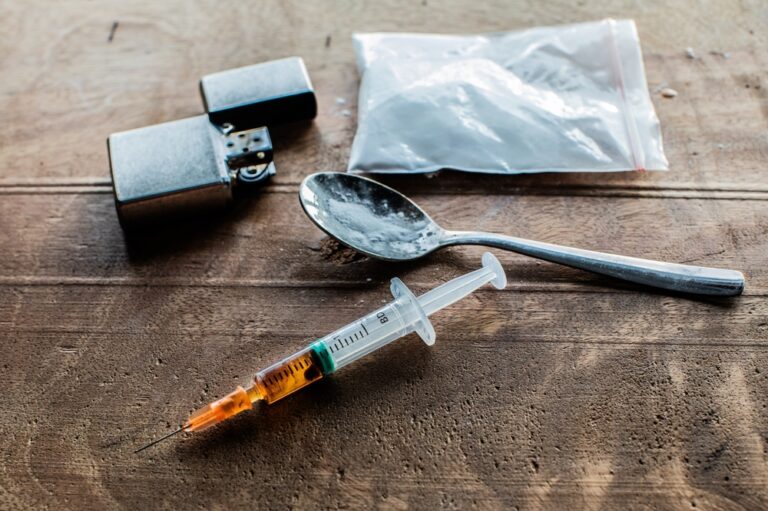
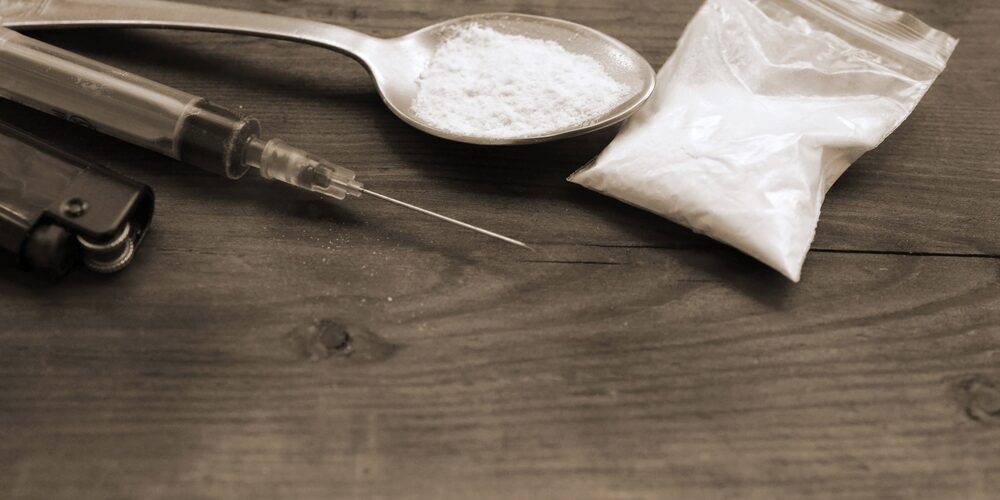
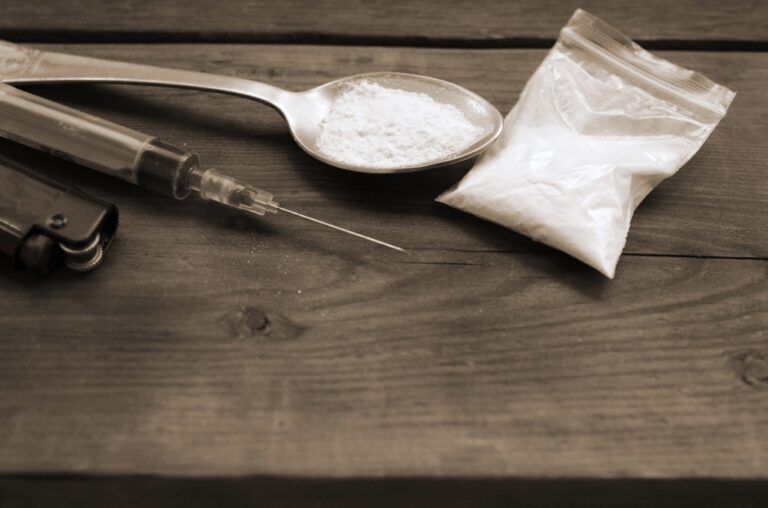
Finding unfamiliar objects in a person’s room, bag or car can be a warning sign. Heroin paraphernalia includes:
Foil with burn marks or dark residue
Tubes, rolled-up paper or cut-down straws (used for smoking)
Spoons with burn marks on the underside
Citric acid or vitamin C sachets (used to dissolve heroin for injection)
Small cotton filters or cigarette filters torn into pieces
Needles, syringes or needle-exchange packs
Lighters (multiple, or in unusual places)
Small plastic bags or wraps with traces of brown powder
If you find items like these, do not handle needles or syringes with bare hands. Try not to jump to conclusions before you have spoken to the person, but take note of what you have seen.
How heroin addiction develops
Heroin is made from morphine, which comes from the opium poppy. It is a Class A drug under the Misuse of Drugs Act 1971, the most tightly controlled category of drugs in the UK.
When heroin enters the brain, it binds to opioid receptors, triggering a rush of pleasure and pain relief. With repeated use, the brain adjusts. Tolerance develops, meaning the person needs more heroin to feel the same effect. Physical dependence follows: the body adapts so that stopping or reducing use triggers withdrawal symptoms such as aches, sweating, stomach cramps and intense cravings.
There is no fixed timeline. NHS inform says physical dependence on heroin can develop over a couple of days or within a few weeks of daily use. Not everyone who tries heroin becomes addicted, but the risk is high with regular use.
Heroin addiction can also lead to serious health and legal problems. Possession of a Class A drug carries a maximum sentence of seven years in prison.
Signs of a heroin overdose and what to do
A heroin overdose is life threatening. Recognising the signs quickly can save someone’s life.
Signs of a heroin or opioid overdose:
Very slow, shallow or stopped breathing
Unconscious or impossible to wake
Pinpoint pupils
Blue or grey lips or fingertips
Pale, cold, clammy skin
Gurgling or snoring sounds
Very weak pulse or slowed heart rate
If you think someone has overdosed, act straight away:
Call 999 and tell them you suspect an opioid overdose.
Place the person in the recovery position (on their side, with their top leg bent and their head tilted back to keep the airway open).
Give naloxone if you have it, and follow the instructions on the pack (brands include Prenoxad and Nyxoid).
Stay with them until the ambulance arrives.
In 2024, the ONS recorded 5,565 drug poisoning deaths in England and Wales, the highest since records began in 1993. Opiates and opioids were involved in 47.1% of these deaths (2,621), and heroin or morphine was mentioned in 1,415 of them.
Why overdose risk is higher right now
Nitazenes are synthetic opioids that have been found mixed into UK heroin supplies. They can be far more potent than heroin, so people can overdose without knowing they have taken them, even if they have used heroin for many years.
ONS figures show 195 deaths involving nitazenes were registered in England and Wales in 2024, nearly four times the 52 registered in 2023. Overdoses involving nitazenes can come on faster and may need more than one dose of naloxone.
If you or someone you know uses heroin, be aware that the supply is unpredictable. Carrying naloxone and not using alone reduce the risk.
How to get naloxone
Naloxone is available free from local drug and alcohol services and from some pharmacies, depending on where you live. You do not need a prescription. With You offers naloxone and training on how to use it in many areas.
Signs in people who are often overlooked
Older, long-term heroin users
Many people who started using heroin in the 1980s and 1990s are now in their 50s and 60s. Signs of heroin addiction in this group may be less dramatic outwardly, but years of use add up to more health problems: cardiovascular disease, respiratory illness, liver and kidney damage, and higher rates of blood-borne viruses. A person’s life may have revolved around heroin for decades, making the addiction less visible because it has become routine.
People on methadone or buprenorphine
Methadone and buprenorphine are used to manage heroin withdrawal and cravings, and are a standard part of opioid treatment across the UK. Some people receiving opioid substitution therapy still use heroin “on top” of their prescription. Signs include ongoing track marks, unexplained drowsiness, or overdose episodes despite being in treatment. If you suspect this is happening, encourage the person to speak honestly with their prescriber.
When heroin and crack are used together
Combined heroin and crack cocaine use is common among people in treatment. The signs can be confusing: agitation and restlessness from crack followed by drowsiness from heroin, or rapid swings between the two. Financial problems tend to worsen faster because two substances are being funded. If you notice signs of both opioid and stimulant use, consider reading about signs of cocaine addiction alongside this guide.
How to talk to someone you think is using heroin

Pick a calm, private moment when neither of you is rushed, upset or under the influence of anything. Talk about specific things you have noticed: changes in their appearance, behaviour or mood. Avoid using labels like “addict” or “junkie”; instead, express concern for the person.
What helps:
Be honest about what you have seen, without exaggerating
Listen more than you talk
Have a next step ready (a GP appointment, a call to a local service, or contacting Help with Addiction)
Remind them that help is confidential and free
What to avoid:
Ultimatums or threats
Blaming or shaming language
Confronting them when they are intoxicated or in withdrawal
Expecting them to agree to treatment on the spot
If you are struggling with heroin addiction yourself, speaking to someone outside your immediate circle can feel less overwhelming. You can speak to us for free, confidential advice about the right treatment for your situation.
Where to get help for heroin addiction in the UK
Help for heroin addiction is available through several routes:
GP: Your local doctor can assess the situation, refer to specialist services and discuss treatment options including opioid substitution therapy.
Local drug and alcohol service: Free, and you can refer yourself. No GP letter needed. A key worker will assess heroin use, mental health, physical symptoms and living situation.
Talk to FRANK (0300 123 6600): Free, confidential drug information and support line.
Adfam: Support specifically for families and loved ones affected by someone else’s drug use.
Private treatment: Residential detox and therapy through private rehab centres, tailored to the individual. For options and costs, see heroin rehab.
Help with Addiction: Free, confidential advice on treatment options. Help with Addiction is connected to Rehab Today, a private rehab provider, and can refer you there if private treatment is right for you.
Heroin detox helps clear the drug from the body in a safe environment, with medical supervision to manage withdrawal symptoms. According to OHID data for 2024 to 2025, 138,255 adults in England were in treatment for problems with opiates, around 42% of all adults in drug and alcohol treatment. Seeking professional help is common, not unusual.
Recovery is possible, and the right support makes a real difference. Early recognition of the signs of heroin addiction gives more options for a healthier future.
If you are worried about a loved one or about your own drug use, speak to us for free, confidential advice.
Frequently asked questions about the signs of heroin addiction
What are the first signs of heroin use?
Early signs often include unusual drowsiness, pinpoint pupils, a change in social circle, unexplained absences and small amounts of money going missing. You may also notice a sweet or vinegary smell on clothing. No single sign is proof, but several appearing together over a short period are a reason to pay close attention and seek advice.
What do someone’s eyes look like on heroin?
Heroin causes pinpoint pupils, meaning the dark centre of the eye shrinks to a tiny dot even in low light. Heavy eyelids, slow blinking and a glazed look are also common while someone is high. During withdrawal, pupils widen and eyes may appear red, watery and sore.
What does heroin smell like when it is smoked?
Smoked heroin often produces a sweet, slightly vinegary or chemical smell. The smell can linger on clothing, hair and in rooms. Burnt foil with dark residue is usually found nearby. The substance itself typically looks like a brown powder, though colour and consistency vary depending on purity and what it has been cut with.
How long does it take to become addicted to heroin?
There is no fixed timeline. NHS inform says physical dependence can develop over a couple of days or within a few weeks of daily use. How quickly it happens depends on things like how much and how often someone uses, how they take it, their general health and whether they use other drugs alongside heroin.
Can someone be addicted to heroin and still hold down a job?
Yes. Some people manage to keep working and meeting responsibilities for months or even years while living with a heroin addiction. Their drug use may not be visible to colleagues or casual acquaintances. Over time, though, addiction usually starts to affect a person’s health, performance at work and relationships.
What should I do if I find foil or needles in a family member’s room?
Do not handle needles with bare hands. Note what you found and where. Choose a calm moment to raise the subject without accusations. Express concern rather than anger. Have information ready about local drug and alcohol services, or contact Help with Addiction for guidance on next steps.
Can someone recover from heroin addiction?
Yes. Many people recover from heroin addiction with the right treatment and support. Treatment options include medically supervised detox, opioid substitution therapy (such as methadone or buprenorphine), residential rehab, counselling and aftercare. Recovery takes time and often involves setbacks, but long-term improvement is realistic.
Is heroin addiction treatment free on the NHS?
Yes, treatment is free. Most local drug and alcohol services are funded by your council rather than the NHS directly, and you can refer yourself without a GP. GPs can also offer support and opioid substitution therapy. Private treatment is available for those who want residential rehab or faster access.
Where can I get naloxone in the UK?
Naloxone is free from local drug and alcohol services, and from some pharmacies depending on where you live. You do not need a prescription. It comes as a nasal spray (Nyxoid) or an injection (Prenoxad), and learning how to use it takes only a few minutes. Carrying naloxone can save a life in an opioid overdose.