




After a long day, many people turn to a glass of wine or beer to unwind. It feels automatic—the ritual of sipping something at 7pm while the stress of work melts away. But what if there were better ways to relax without the downsides that come with booze?
This guide covers practical, enjoyable alternatives to alcohol that can help you feel good, sleep better, and wake up without regret.
In 2024, around 1 in 4 UK adults reported drinking over the recommended 14 units per week, according to ONS data. Meanwhile, the “sober curious” movement has exploded—a 2025 YouGov survey found 32% of UK millennials now identify as sober curious, and non-alcoholic drink sales grew 31% year-on-year.
Here’s the trouble with using alcohol to relax: it works initially, then backfires. Alcohol consumption disrupts REM sleep by 20-50%, leaving you with poor sleep quality even after just one or two drinks. That wine glass you reached for to calm your nerves? It actually increases next-day anxiety through glutamate rebound effects. Even moderate, regular drinking elevates cortisol by around 15% and correlates with a 30% higher risk of depression over time.
The health risks extend beyond mood. Chronic evening drinking raises blood pressure, contributes to digestive issues, and leaves you feeling anxious rather than refreshed each morning. None of this means drinking is inherently wrong—but it does explain why more people are seeking alternatives.
This article focuses on realistic, enjoyable swaps for your evening drink ritual. No judgment, no shaming—just options that actually work.
One important note: If you find it genuinely hard to cut down or stop once you start drinking, this may signal alcohol dependence rather than simple habit. Help with Addiction offers free, confidential advice if you’re concerned.
One of the most effective strategies is keeping the relaxing drink ritual but changing what’s in your glass. This preserves the psychological comfort of sipping something at 9pm while eliminating ethanol’s negative effects. Research on habit formation shows that retaining rituals can halve craving intensity.
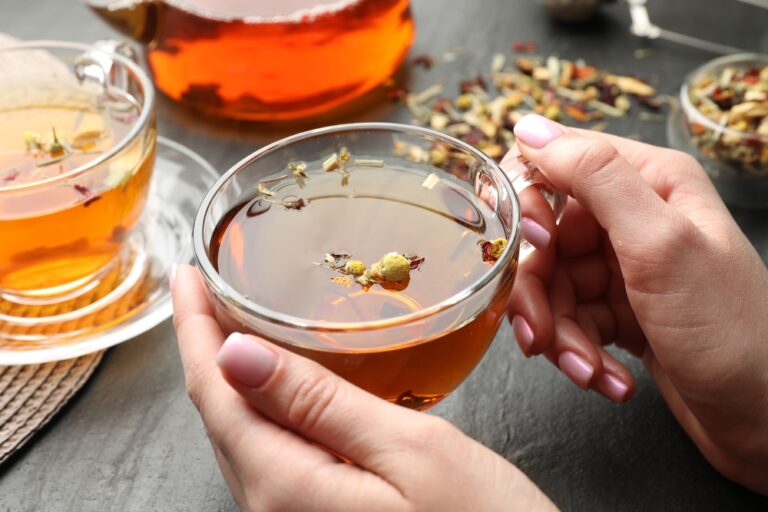
Herbal teas offer genuine calming properties backed by science:
Serve in a large mug with raw honey and a slice of lemon. The ritual of preparation—boiling water, steeping for 5-10 minutes, settling into your chair—creates the same sense of transition from work to rest that a glass of wine once provided.
UK supermarkets now stock excellent non alcoholic alternatives that preserve the social and ritual elements without ethanol:
Sales of these products grew 40% in 2025 Tesco data alone. They satisfy the dopamine hit of expectation and taste without alcohol’s toxic byproducts.
Beyond tea and 0% beverages, consider:
Functional drinks like GABA-infused sodas (such as Sentia Spirits) can produce a 20-30 minute calming effect without impairment. Always avoid driving after consuming kava or similar beverages, and discuss with a GP if you’re on medication or pregnant.
Your body can trigger the same nervous system calm that people chase with alcohol—without any substance at all. Movement, warmth, and touch activate the parasympathetic “rest and digest” response, shifting you out of stress mode naturally.
Low-effort evening exercise releases endorphins and reduces anxiety by 20-30%:
You don’t need a gym membership or special equipment. Just move enough to shift your body out of desk-mode.
A warm bath (38-40°C for 20 minutes) causes your core temperature to drop afterwards, signalling your brain that it’s time for sleep. Adding 300g of Epsom salts provides magnesium that absorbs through skin, relaxing muscles like a mild supplement.
Pair with dim lighting under 100 lux to support natural melatonin production. Change into comfortable cotton loungewear afterwards. This routine can replace that 6-8pm first drink entirely.
Tactile interventions work remarkably well:
These options are free or nearly so, accessible at home any night of the week, and leave you with better sleep rather than a hangover. The difference in how you feel the next morning is striking.
Many people drink to “switch off their brain” after work. The constant mental chatter, the replaying of stressful day events, the planning anxiety—alcohol numbs it all. But simple mental practices offer the same relief with practice, building genuine calm rather than borrowed calm.
Mindfulness means non-judgmental present-moment awareness. It doesn’t require emptying your mind—just observing thoughts without getting carried away by them.
Start with 5-10 minutes using free apps like Headspace or Insight Timer. Focus on your breath. When thoughts arise, notice them like clouds passing, then return attention to breathing. Meta-analyses show this reduces perceived stress by 22% over time.
When an alcohol urge hits, breathing exercises interrupt the craving cycle:
Box breathing: Inhale for 4 seconds, hold for 4 seconds, exhale for 4 seconds, hold for 4 seconds. Repeat 4-6 times. Navy SEAL protocols show this drops heart rate by 10-15 bpm.
4-7-8 breathing: Inhale for 4 counts, hold for 7, exhale slowly for 8. This enhances nitric oxide production and calm.
Instead of pouring a drink to process your day, pour your thoughts onto paper:
Research shows this reduces rumination by 25% over four sessions. Keep a notebook by your evening seat where you’d normally have a bottle or glass.
The 5-4-3-2-1 technique anchors you to the present when cravings hit: name 5 things you see, 4 you can touch, 3 you hear, 2 you smell, 1 you taste. Studies show this halves craving duration.
Alternatively, a quick puzzle, game, or podcast episode (10-15 minutes) can carry you through until the urge passes.
UK social life revolves heavily around drinking, approximately 80% of social events involve alcohol according to 2025 Drinkaware data. This can make cutting down feel isolating, like you’re missing out on connection with friends.
Rewarding social time doesn’t require pubs:
The wellness boost comes from connection itself. Human contact releases oxytocin and serotonin, improving mood and reducing the urge to drink to cope with stress.
Propose activities where drinking isn’t the focus:
If you’re in drinking environments:
For some people, swapping to herbal teas or adding evening walks simply isn’t enough. This happens when the issue is alcohol dependence rather than just a habit. No amount of routine changes will solve a physiological addiction.
Watch for these warning signs:
UK government estimates suggest 608,000 adults meet criteria for alcohol dependence. This isn’t a moral failing—it’s a medical condition requiring appropriate treatment.
If you’ve been drinking heavily every day, stopping suddenly carries genuine health risks. Severe withdrawal can cause seizures and delirium tremens in approximately 5% of heavy drinkers. Medical supervision ensures safety during this phase.
Support exists at every level:
Help with Addiction, founded by Perry Clayman, provides free, confidential advisory services. We listen, assess your situation, and connect you with suitable private detox, rehab, or outpatient programmes across the UK.
You don’t need to have everything figured out before calling. Whether you’re questioning your drinking, supporting a loved one, or ready for treatment, our team matches you with appropriate options based on your specific circumstances.
Recovery is possible. Many people have moved from daily drinking to genuinely enjoying alcohol-free evenings—and those who need more support have found their path through professional treatment.
If anything in this article resonated, or if the alternatives described here haven’t been enough, contact Help with Addiction via our helpline or online form. The conversation is free, confidential, and entirely without obligation. Taking that first step is often the hardest part—but it’s also the most important.
Dr Otulana has been practising medicine since 2000 and brings over a decade of dedicated experience as an Addiction Physician. He is a highly experienced Physician with a Specialist Interest in Substance Misuse Management, with extensive expertise in the assessment, treatment, and safe detoxification of individuals facing drug and alcohol dependency. His clinical work spans a broad range of complex addiction presentations, ensuring patients receive thorough, evidence-based care tailored to their needs.
Known to many as Dr Ola, he adopts a compassionate, person-centred approach to treatment. He carefully considers each individual’s previous experiences of detoxification and rehabilitation, shaping care plans that are responsive, respectful, and clinically robust. His commitment to delivering high-quality, individualised care has consistently generated positive feedback from patients and colleagues alike.
Alongside his clinical practice, Dr Otulana has a strong background in leadership and strategic development within healthcare. He holds a Master of Business Administration (MBA) from Cambridge University Judge Business School and has contributed to strategic decision-making, service development, and the creation of clinical protocols that enhance patient outcomes and operational effectiveness.
Dr Otulana is an Advanced Addiction Practitioner Member of Addiction Professionals and holds the Certificate in Clinical Psychopharmacology (Part 1) from the British Association for Psychopharmacology. Combining medical expertise with strategic insight, he is a well-rounded healthcare professional dedicated to advancing standards of care in addiction treatment.
Dr Otulana has been practising medicine since 2000 and brings over a decade of dedicated experience as an Addiction Physician. He is a highly experienced Physician with a Specialist Interest in Substance Misuse Management, with extensive expertise in the assessment, treatment, and safe detoxification of individuals facing drug and alcohol dependency. His clinical work spans a broad range of complex addiction presentations, ensuring patients receive thorough, evidence-based care tailored to their needs.
Known to many as Dr Ola, he adopts a compassionate, person-centred approach to treatment. He carefully considers each individual’s previous experiences of detoxification and rehabilitation, shaping care plans that are responsive, respectful, and clinically robust. His commitment to delivering high-quality, individualised care has consistently generated positive feedback from patients and colleagues alike.
Alongside his clinical practice, Dr Otulana has a strong background in leadership and strategic development within healthcare. He holds a Master of Business Administration (MBA) from Cambridge University Judge Business School and has contributed to strategic decision-making, service development, and the creation of clinical protocols that enhance patient outcomes and operational effectiveness.
Dr Otulana is an Advanced Addiction Practitioner Member of Addiction Professionals and holds the Certificate in Clinical Psychopharmacology (Part 1) from the British Association for Psychopharmacology. Combining medical expertise with strategic insight, he is a well-rounded healthcare professional dedicated to advancing standards of care in addiction treatment.