
Online Gambling Addiction: Signs, Risks & How to Get Help in the UK


Dr Olalekan Otulana
Key Takeaways
Online slots, casino apps, instant win games, and in-game casinos are available around the clock on smartphones across the UK. According to the Gambling Commission’s 2025 survey, approximately 2.4% of British adults – around 1.3 million people – scored at the problem gambling threshold, with online play driving much of the increase. Online gambling participation has risen from roughly 7% of adults in 2012 to about 10% in 2024.
Online gambling addiction, formally known as gambling disorder, is a recognised mental health condition where a person cannot stop gambling on apps or websites despite serious financial, emotional, and family harm.
Online gambling carries unique risk factors: rapid play cycles on slots and roulette apps, constant push notifications, easy access to stored credit card details, and the ability to gamble in secret at home or at work.
Help with Addiction offers free, confidential advice to people in the UK and their family members, and can match them with NHS or private gambling rehab and counselling.
Practical self help steps like blocking software, self exclusion schemes, and money controls can be combined with formal treatment to help people stop gambling.
What Is Online Gambling Addiction (Gambling Disorder)?
Gambling disorder is recognised by the World Health Organisation (ICD-11) and in the Diagnostic and Statistical Manual of Mental Disorders (DSM-5), published by the American Psychiatric Association. It is classified as a behavioural addiction with brain changes similar to those seen in drug or alcohol dependence.
When we talk about online gambling addiction, we mean the compulsive use of internet-based products: online slots, live casino games, roulette and blackjack apps, instant win scratch cards, online bingo, and social casino-style apps. These are distinct from sports betting addiction, though both can cause serious harm.
There is an important distinction between gambling disorder, a clinical diagnosis requiring impaired control, prioritising gambling over other activities, and continuation despite harm, and problem gambling, which describes patterns causing problems but may not yet meet full diagnostic criteria. The Gambling Commission has reported rising online gambling participation, particularly among adults aged 18–34. Operators design products using variable rewards, near-misses, and fast game cycles that keep players engaged, which can fuel gambling problems even at relatively low spend levels.
How Online Gambling Addiction Develops: Causes and Risk Factors
No single cause explains why someone develops a gambling problem. It emerges from a combination of brain chemistry, personal history, product design, and life circumstances.
The brain’s reward system releases dopamine during unpredictable wins. Rapid, continuous online slots or roulette spins reinforce compulsive behaviour far more intensely than slower forms of gambling like weekly lottery draws. This is why online casinos and instant-play apps carry particularly high risk.
Key personal risk factors include:
Younger age – young men aged 18 to 29 are at higher risk, with research showing problem gambling behaviours often established by age 20
Being male, though online gambling participation among women is increasing
History of trauma or adverse childhood experiences; trauma and social inequality can increase gambling risk in women specifically
Impulsivity, sensation seeking, and existing mental health issues such as depression, bipolar disorder, or anxiety
Compulsive gambling is more common in those with addiction in the family
Situational and environmental risk factors:
Low income and unemployment are linked to gambling disorder, with people in the most deprived areas up to four times more likely to experience severe harm
Financial stress, lockdown, or isolation
Aggressive marketing, bonus offers, and push notifications from online casino operators
Online gambling is often hidden. People can gamble late at night in bed, at work, or while commuting, making gambling harm harder for family members and friends to notice. Substance abuse – alcohol, cocaine, or prescription drugs – can interact with online gambling, lowering inhibitions and worsening losses, often requiring dual-diagnosis treatment.
Signs and Symptoms of Online Gambling Problems
Gambling addiction is often called a “hidden illness.” There are no track marks or obvious physical signs, so recognising behavioural and financial changes is crucial.
Behavioural signs linked to online apps:
Using phones or laptops secretly, quickly closing gambling tabs when someone walks in
Deleting browser history, hiding gambling apps, or constantly switching between gambling sites
Problem gamblers often deny or minimize their gambling issues when confronted
Hiding gambling habits is a common behaviour – lying about time and money spent
Classic problem gambling signs:
Needing to gamble with larger amounts to feel excitement
Chasing losses – returning to place bets in an attempt to win back money already lost
Unsuccessful attempts to cut down, feeling restless or irritable when trying to stop gambling
Gambling to escape stress, low mood, or other things causing distress
Having trouble controlling time and money spent on gambling
Financial warning signs:
Regular overdrafts, unexplained transfers on credit card statements
Using payday loans or selling personal items to fund gambling
Gambling addiction can lead to borrowing, selling, or stealing money
Bills going unpaid, family finances under strain
Gambling affects mental health and relationships: mood swings, anxiety, insomnia, and withdrawing from social life to spend more time on poker, slots, or casinos online. If you recognise these signs in yourself or someone else, Help with Addiction can help you interpret them and take the next step.
Effects of Online Gambling Addiction on Mental Health, Finances and Family
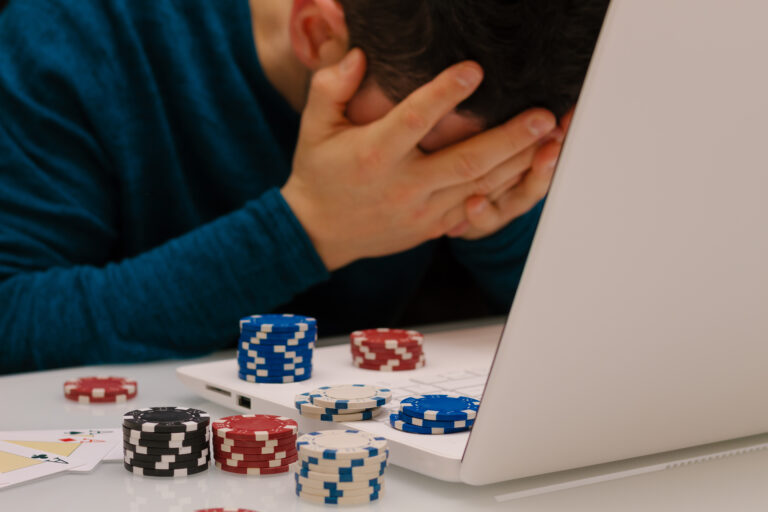
The harm from online gambling spreads far beyond the person gambling, affecting mental health, finances, partners, children, and wider communities.
Mental health effects are severe. Many problem gamblers also suffer from depression and anxiety. Gambling addiction can cause severe mental health crises, including chronic stress, shame, and dangerously low self esteem. One in five people with gambling disorder attempt or complete suicide – gambling disorder has the highest suicide risk among addictions. Mental health support is crucial for those facing gambling issues.
Financial consequences specific to online gambling include rapid spending via stored cards or e-wallets, multiple deposits in a single session, and accumulating debt that can lead to defaults or bankruptcy. Problem gambling can lead to financial ruin. Financial instability can arise quickly because online platforms make it easy to lose money without the friction of handling cash.
Family impact is devastating. Gambling problems can strain relationships and lead to financial disaster. Arguments about money, broken trust through lying, and neglect of parenting responsibilities are common. Gambling addiction affects not only the gambler but the whole household. Broken relationships are common due to gambling-related secrecy. An estimated 7% of the British population is negatively affected by someone’s gambling, making it a significant public health concern.
Self-Help Steps to Regain Control Over Online Gambling
Many people are able to reduce or stop harmful online gambling through structured self help strategies, especially when problems are identified early.
Track your behaviour. Keep a detailed log for one week: where, when, and why you gamble, how much you deposit, and what you feel before and after sessions. This will highlight triggers and patterns – most people discover that boredom, loneliness, or stress are key drivers.
Set hard limits:
Daily or weekly spending caps, written down and shared with a trusted person
Strict time limits for any online gambling, plus “no gambling” days
Managing money becomes easier when bills and savings are separated from spending accounts
Practical changes:
Disable one-click deposits and remove saved card details from gambling accounts
Turn off marketing emails and push notifications from gambling operators
Keep devices out of the bedroom to avoid isolation and late-night play
Replace gambling with healthier activities. Exercise, mindfulness apps, support groups, structured hobbies (evening classes, creative projects), and scheduled time with friends or family provide enjoyment without financial risk. Doing other activities that bring satisfaction helps rebuild routine.
Self help is often most effective combined with outside support. If these steps alone are not enough, talk to Help with Addiction for free advice on what to try next.
Digital Barriers, Gambling Blocking and Self-Exclusion Tools
Online gambling is available 24/7, providing constant access that increases the risk of addiction. Putting technical barriers in place is essential for any recovery plan.
Blocking software. Install gambling-blocking tools on every phone, tablet, and computer you use. These block access to gambling domains and gambling-related search results, removing the temptation to start gambling during vulnerable moments.
Bank-level tools. Many UK banks now offer merchant blocks for gambling transactions, daily spend limits, and cooling-off delays before any gambling payment is approved. Check your bank’s app settings.
Self exclusion schemes. You can request self exclusion from specific gambling sites and apps. National multi-operator schemes cover multiple online casinos, slots providers, and bingo platforms simultaneously. Self-exclusion tools can help manage problem gambling effectively.
Additional steps:
Remove gambling apps from devices and sign out of app stores
Ask trusted family members to set strong passwords or parental controls
Consider having wages paid into a partner’s or relative’s account where appropriate
Use basic bank accounts without overdraft facilities
Combining digital barriers with financial safeguards creates multiple layers of protection. For more information on treatment options, see our guide to gambling rehab in the UK.
Professional Treatment and Rehab Options for Online Gambling Addiction
Only one in ten people with gambling disorder seek treatment, and the median delay before entering treatment is around ten years. Professional help is often needed to address gambling problems effectively, and evidence-based therapies can significantly reduce harm.
Psychological treatments commonly used in the UK:
Cognitive-behavioural therapy (CBT) to challenge distorted beliefs about winning and control – this is effective for gambling addiction
Motivational interviewing to strengthen commitment to change
Family therapy and trauma-focused work where past experiences drive the addiction
Outpatient vs residential rehab. Outpatient counselling involves weekly sessions alongside normal life. Residential gambling rehab programmes offer intensive therapy, relapse prevention planning, and holistic support in a clinic setting. Both have strong evidence behind them.
For individuals where online gambling is tied to mental disorders such as depression or anxiety, doctors may recommend medication alongside therapy. Dual diagnosis – addressing both gambling and co-occurring conditions – is essential given that gambling disorder is linked to substance use disorders.
Peer support matters. Gamblers Anonymous offers 12-step support meetings and peer accountability. Attending a gamblers anonymous meeting regularly helps reduce isolation and builds practical relapse-prevention skills. Support groups can help individuals recover from gambling addiction. Support services like GamCare also provide confidential advice. NHS clinics provide specialised gambling addiction treatment alongside these options.
Help with Addiction can explain NHS versus private treatment, discuss costs, and match you with appropriate providers – all through a single free phone call or contact form.
Support for Family Members Affected by Someone's Online Gambling
Family and friends often worry about someone with a gambling problem. Partners, parents, and other relatives frequently feel frightened, angry, and helpless when online gambling is causing problems at home. Gambling addiction can cause emotional strain on family members, and they deserve support in their own right.
Protect yourself first:
Secure joint accounts and monitor credit reports
Seek independent debt or legal advice if family finances are at risk
Trust issues often develop due to gambling-related secrecy – address these directly
Having difficult conversations. Choose a calm time, use “I” statements, and focus on specific behaviours – secret late-night gambling, hidden debts – rather than attacking their character. Give them space to respond.
Set boundaries clearly:
No sharing of login details or bank cards
No covering gambling debts
Conditions for staying in the home or relationship if harm continues
Family counselling and dedicated advocacy groups for affected others help relatives process betrayal and stress. Gam Anon provides support specifically for family members of gamblers, and Alcoholics Anonymous-style peer programmes exist for other forms of addiction within the family. Support from family and friends is critical for recovery, but family members must also look after their own wellbeing.
Help with Addiction can support family members directly – contact us for confidential advice on how to deal with a loved one’s gambling while protecting your own mental health and family life.
Preventing Relapse and Building a Life Beyond Online Gambling
Recovery from gambling disorder is an ongoing process. Urges may still appear during stress, boredom, or when exposed to gambling cues online.
Craving-management strategies:
Urge surfing – riding out cravings without acting on them
Phoning a support person immediately
Postpone gambling decisions by at least 30 minutes; most urges pass within that window
Distraction techniques: going for a walk, doing a simple task, speaking to friends
Build a relapse prevention plan with a therapist or advisor listing personal triggers (paydays, late-night loneliness, alcohol use) and specific coping responses. Include emergency steps if a lapse happens.
Focus on building a meaningful life. Regular routines, work or volunteering, social connections, physical activity, and hobbies provide enjoyment and achievement without financial risk. Young people in recovery particularly benefit from structured activities and avoiding isolation.
Occasional slips are normal. There is a difference between a lapse – a brief return to gambling – and a full relapse. The key is to seek help immediately after any slip rather than hiding it. Many people across the UK have rebuilt their finances, relationships, and self-respect after severe online gambling problems. An anonymous meeting with others in recovery or a call to Help with Addiction can provide the right support to keep moving forward.
Contact Help with Addiction today for free guidance on your next steps – whether you need to find treatment, talk through your options, or simply want someone to listen.
Frequently Asked Questions about Online Gambling Addiction
These questions cover practical points not fully addressed above, including diagnosis, treatment formats, and supporting others.
Is online gambling addiction officially recognised as a mental health condition?
Yes. Gambling disorder is formally recognised in both DSM-5 (the statistical manual used by the American Psychiatric Association) and ICD-11. It is treated within mental health services regardless of whether the gambling takes place on apps, gambling sites, or in physical casinos. Not everyone who gambles online has a disorder – diagnosis depends on impaired control, prioritising gambling over other activities, and continuing despite significant harm. Gambling studies continue to refine our understanding. If you recognise several signs, seek a professional assessment via your GP or through services Help with Addiction can connect you to.
Can I recover from online gambling addiction without going to residential rehab?
Many people do stop or significantly reduce harmful online gambling using outpatient therapy, self-help tools, blocking software, self exclusion, and peer support without ever attending residential rehab. Rehab may be especially helpful when there have been repeated failed attempts to stop gambling, severe debt or relationship breakdown, co-occurring substance abuse, or when a person cannot avoid triggers in their current environment. Help with Addiction can help you weigh up options based on your situation, budget, and level of risk.
Is online gambling safer than going to a casino or betting shop?
Although online gambling feels private and convenient, it often carries higher risk. Games on apps and sites are faster, access is constant, and spending feels less real when using digital wallets rather than cash. The lack of natural stopping points, no closing times, no travel home, means players may gamble longer and spend more than intended. Harm can occur in any setting. Whether you play at casinos, betting shops, or on your phone, safe gambling depends on strict limits, personal risk factors, and early recognition of money problems.
What should I do if I suspect my partner is secretly gambling online?
Gather information calmly first: note changes in mood, missing money on bank statements, or time spent alone with devices late at night. Avoid confrontational snooping that could escalate conflict. Plan a conversation at a neutral moment, expressing concern about specific behaviours and their financial impact rather than attacking their character. Protect yourself financially by setting up separate accounts and monitoring joint credit. Contact Help with Addiction for confidential advice on how to approach the situation while keeping your own finances and wellbeing safe.
How can Help with Addiction support me right now?
Help with Addiction is a UK-based advisory service offering free, confidential guidance by phone or online form. We support people struggling with gambling and their families. Our team can discuss your current situation, screen for gambling disorder and related mental health concerns, explain NHS and private treatment options, and arrange referrals to suitable rehab, counselling, or outpatient services. If online gambling is causing problems with money, mental health, or relationships, reach out today, early action can prevent more serious harm.
Author
-
Dr Otulana has been practising medicine since 2000 and brings over a decade of dedicated experience as an Addiction Physician. He is a highly experienced Physician with a Specialist Interest in Substance Misuse Management, with extensive expertise in the assessment, treatment, and safe detoxification of individuals facing drug and alcohol dependency. His clinical work spans a broad range of complex addiction presentations, ensuring patients receive thorough, evidence-based care tailored to their needs.
Known to many as Dr Ola, he adopts a compassionate, person-centred approach to treatment. He carefully considers each individual’s previous experiences of detoxification and rehabilitation, shaping care plans that are responsive, respectful, and clinically robust. His commitment to delivering high-quality, individualised care has consistently generated positive feedback from patients and colleagues alike.
Alongside his clinical practice, Dr Otulana has a strong background in leadership and strategic development within healthcare. He holds a Master of Business Administration (MBA) from Cambridge University Judge Business School and has contributed to strategic decision-making, service development, and the creation of clinical protocols that enhance patient outcomes and operational effectiveness.
Dr Otulana is an Advanced Addiction Practitioner Member of Addiction Professionals and holds the Certificate in Clinical Psychopharmacology (Part 1) from the British Association for Psychopharmacology. Combining medical expertise with strategic insight, he is a well-rounded healthcare professional dedicated to advancing standards of care in addiction treatment.