Top 3 Most Used Drugs in the UK: Understanding the Most Common Substances

Dr Olalekan Otulana
Drug use in the UK remains a significant public health concern. According to the latest national statistics, approximately 8.8% of people aged 16 to 59 in England and Wales reported illicit drug use in the past year – that’s roughly 2.9 million adults. While caffeine, alcohol, and nicotine are the three most commonly used psychoactive drugs globally, the landscape of illegal drug use tells a different and more complex story.
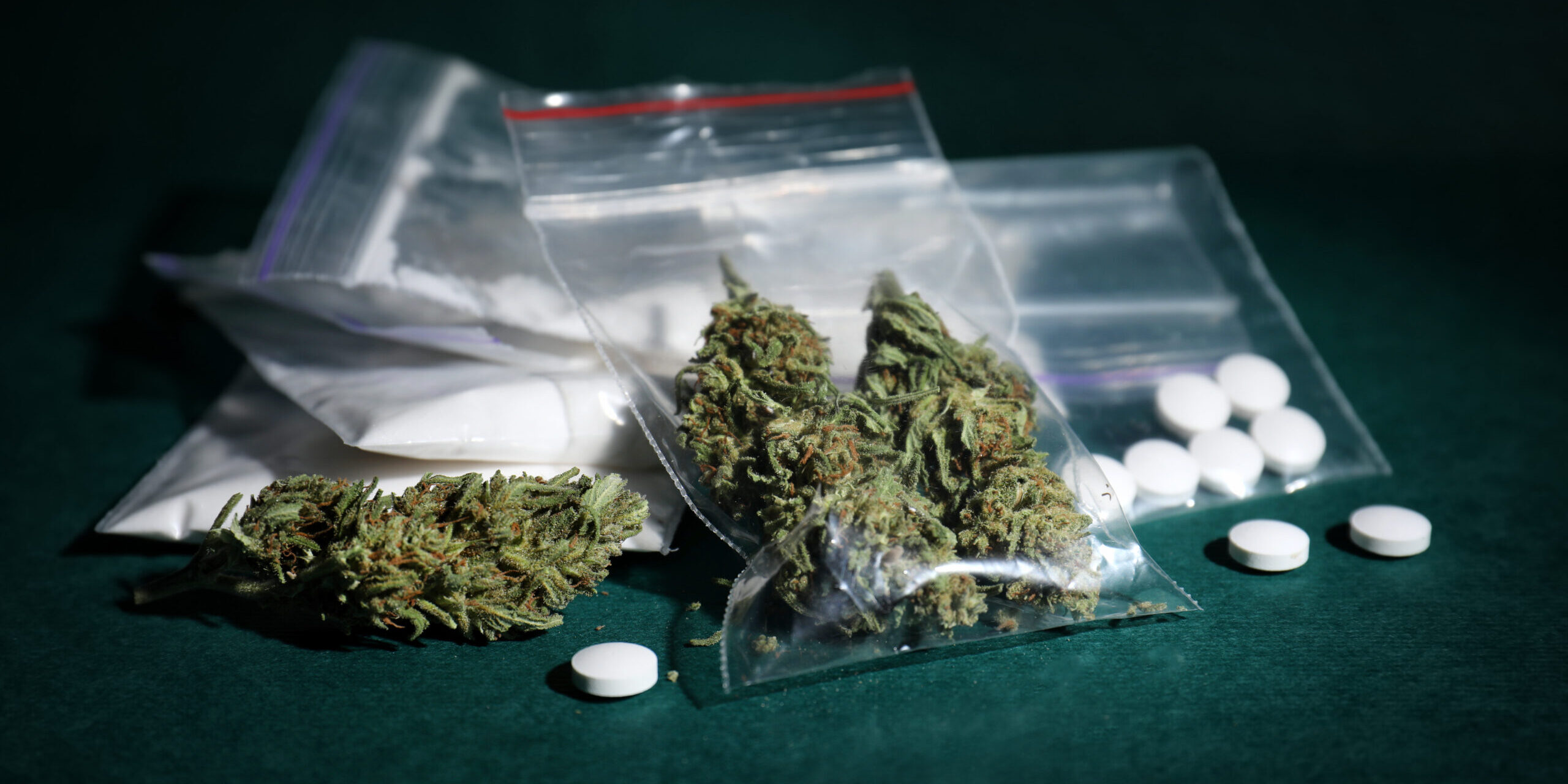
Three substances consistently dominate the drug abuse statistics: cannabis, powder cocaine, and MDMA (ecstasy). These drugs span different classifications, carry distinct health risks, and attract different user profiles. But they share one thing in common – they’re the most prevalent illicit substances circulating in the UK today.
This article breaks down what the data says about each substance, who’s using them, how usage patterns differ across age groups, and what the real health risks look like. If you or someone you know is struggling with substance misuse, the information here is designed to educate – and to make the path toward getting help clearer.
How We Identified the Most Used Drugs
Ranking the top 3 most used drugs requires reliable, large-scale data. The primary source we draw from is the Crime Survey for England and Wales (CSEW), conducted annually and covering drug misuse trends among adults aged 16 to 59. The office for national statistics publishes this data, providing the most authoritative picture of drug usage across the country.
Additional data comes from:
The Adult Psychiatric Morbidity Survey (APMS), which tracks signs of dependence, mental health comorbidity, and demographic risk factors
The Wastewater Analysis for Narcotics Detection (WAND) programme, which estimates real-time drug consumption from wastewater samples across England and Scotland
Seizure data from UK border forces and police, tracking volumes of controlled substances intercepted
Our criteria for ranking focused on:
Last-year prevalence among adults aged 16 to 59
Consistency across multiple years of data
Reported frequency of drug use
Supporting evidence from wastewater and seizure data
It’s worth noting that this article focuses on illegal substances. Legal psychoactive substances like alcohol and tobacco are excluded from the ranking, though cultural acceptance and legality drive the widespread use of legal psychoactive substances in ways that shape attitudes toward illicit drug use too. Alcohol consumption is deeply ingrained in social gatherings and traditions across the UK, influencing how people perceive risk around other drugs.
In 2025, 15.1% of people aged 16 to 24 used any drug, and 2.0% of people aged 16 to 59 were frequent drug users. These figures provide the backdrop against which our top three substances stand out.
Under the UK’s Misuse of Drugs Act (which functions similarly to what other jurisdictions call a controlled substances act), drugs are classified into Classes A, B, and C based on their potential for serious harm and whether they have an accepted medical use. This classification system directly influences how we understand prevalence and risk.

Top 3 Most Used Drugs in the UK
1. Cannabis
Cannabis is consistently the most commonly used drug in England and Wales. In the most recent data, 7.6% of people aged 16 to 59 used cannabis last year, making it the most widely used illegal drug by a considerable margin. No other illicit substance comes close in terms of raw prevalence.
Why It's The Most Used
Several factors drive cannabis to the top of the rankings. Widespread social acceptance plays a major role – many users view cannabis as a relatively harmless substance, particularly when compared to a class a drug like heroin or crack cocaine. Its availability is another factor; cannabis is sold in virtually every town and city across the UK, and modern supply chains include increasingly potent products.
Some researchers have debated whether cannabis functions as a gateway drug – the idea being that its use may lead to experimentation with other substances. While the evidence on this remains contested, what’s clear is that cannabis occupies a unique cultural position. Unlike prescription drugs that require a doctor’s note, or stimulant drugs that carry stronger stigma, cannabis is often treated as socially acceptable in many peer groups. The marketing and social acceptance of substances facilitate mass consumption, and this dynamic is visible in how casually cannabis use is discussed.
Caffeine is the most consumed psychoactive drug globally, and its normalisation shows how familiarity breeds acceptance. Cannabis, while illegal, benefits from a similar normalisation effect in certain demographics.
Most Common Among
Cannabis use is highest among younger age groups. In 2025, 12.5% of people aged 16 to 24 used cannabis, with usage rates declining steadily among older demographics. Men are nearly twice as likely as women to report use.
The pattern is clear across successive surveys: young people in urban environments, particularly males aged 16 to 24, represent the core user base. However, cannabis use isn’t limited to any single socioeconomic group – it cuts across income levels, education backgrounds, and geographic regions.
Key Usage Patterns
Higher usage among young adults and males: Men aged 16-34 consistently report the highest rates
Recreational social use: Often consumed in group settings, at home, or at social gatherings
Increasing potency: Modern cannabis products contain significantly higher THC concentrations than those available even a decade ago – a University of Bath systematic review found that high-potency cannabis is associated with substantially greater risk of both psychosis and cannabis use disorder
Daily use is significant: 10.4% of cannabis users reported using it every day in 2025, and 10.4% of frequent cannabis users use it daily – meaning a meaningful subset aren’t occasional users but habitual ones
Synthetic cannabinoids – lab-made chemicals designed to mimic cannabis effects – represent a separate and often extremely dangerous category. These new psychoactive substances are distinct from natural cannabis and carry unpredictable risks, though they don’t rank in top three prevalence figures.
Health Concerns and Risks
The health risks of cannabis are more significant than many users assume:
Marijuana use disorder: Regular cannabis use can lead to dependence in 10% of users, with early onset use increasing this risk substantially
Psychosis link: Research suggests that 34% of cannabis users may develop psychosis, with the risk amplified by high-potency strains and daily consumption. Studies of first-episode psychosis patients show elevated high-potency cannabis use compared to healthy controls
Mental health impacts: Anxiety, depression, and cognitive impairment – particularly among adolescent users whose brains are still developing
Respiratory issues: Smoking cannabis carries bronchitis-related risks from combustion
Social and legal consequences: Despite perceived normality, cannabis remains a Class B controlled drug with potential for criminal prosecution
It’s also worth noting that while magic mushrooms and other psychoactive substances receive attention, cannabis remains the dominant driver of drug dependence referrals in the UK. Anyone developing signs of marijuana use disorder should consider seeking addiction treatment sooner rather than later.

2. Powder Cocaine
Powder cocaine is the second most commonly used illegal drug in England and Wales. In the most recent survey data, 2.4% of adults aged 16 to 60 used powdered cocaine last year. While significantly lower than cannabis prevalence, cocaine powder holds a firm second place – and consumption is trending upward.
Why It Ranks Second
Cocaine’s position reflects its unique role in UK drug culture. As a potent stimulant, it produces intense but short-lived euphoria, increased energy, and heightened confidence. These effects make it popular in social and nightlife settings where users seek enhanced experiences.
There’s also a perceived status element. Unlike some commonly abused substances, cocaine carries associations with affluence and celebration – even though its risks are severe. It’s classified as a class a drug under UK law, meaning possession and supply carry the heaviest penalties.
Wastewater analysis data shows cocaine consumption increased between 2021 and 2025 in England and Scotland, with cocaine representing the highest consumption and market value among key drugs during that period.
Most Common Among
Usage is concentrated among younger demographics. In the past year, 5.1% of people aged 16 to 24 used cocaine, making it considerably more prevalent among young adults than in the general population. Cocaine use is more common in urban areas and frequently overlaps with nightlife participation.
During the same period, cocaine use among 25-34 year olds remained elevated compared to older age groups, though it drops off more sharply after 35 than cannabis does.
Key Usage Patterns
Party and nightlife contexts: Cocaine is a common party drug and club drug, often used on weekends or at specific social events
Urban concentration: Higher prevalence in cities, particularly London and other major metropolitan areas
Frequently combined with alcohol: Many cocaine users have consumed alcohol alongside the drug, a combination that produces cocaethylene in the liver – a substance that intensifies effects but significantly increases cardiovascular risk. Alcohol is a central nervous system depressant and the most commonly consumed recreational substance, and its interaction with cocaine is particularly dangerous
Occasional rather than daily: Most users report infrequent use, though a subset develop regular habits
It’s also important to distinguish powder cocaine from crack cocaine, which is a freebase form that is smoked and carries even higher addiction potential. While crack cocaine prevalence is lower, it is associated with more severe dependency and social harm.
Additionally, 331kg of amphetamines were seized by UK police last year, showing that stimulant drug supply remains a significant law enforcement concern alongside cocaine.
Health Concerns and Risks
Cocaine carries severe health risks that escalate with frequency of use:
Cardiovascular danger: Cocaine raises heart rate and blood pressure, increasing risk of heart attack, arrhythmia, and stroke. Emergency department admissions related to cocaine are rising
Highly addictive: While many users start with occasional social use, cocaine is highly addictive and can rapidly progress to compulsive use patterns
Cocaine related deaths are increasing: According to National Crime Agency data, cocaine-related deaths rose by 14% to 1,279 in the previous year across England and Wales
Adulteration risks: Street cocaine is frequently cut with other substances, making dosage unpredictable and increasing overdose risk
Mental health problems: Paranoia, anxiety, agitation, and in heavy users, cocaine-induced psychotic episodes
Infectious diseases: Sharing snorting equipment carries transmission risks for blood-borne infections
The combination of rising availability, increasing consumption, and growing drug overdose deaths makes cocaine a substance that demands public health attention.
3. MDMA (Ecstasy)
MDMA, commonly known as ecstasy, ranks third among the most used drugs in the UK. In the most recent data, 0.7% of people in the UK reported using MDMA last year. While the overall prevalence is lower than cannabis or cocaine, MDMA occupies a distinct niche – particularly among younger demographics and in specific social contexts.
Why It's Commonly Used
MDMA’s appeal lies in its pharmacological profile. As a psychoactive drug that affects both serotonin and dopamine systems, it produces feelings of emotional closeness, empathy, heightened sensory experiences, and euphoria. These effects have made ecstasy pills a fixture of electronic music culture since the late 1980s.
Its reputation as a party drug and club drug means usage is strongly tied to specific environments and events rather than daily consumption. Unlike some other drugs with accepted medical use in certain therapeutic contexts (MDMA is currently being researched for PTSD treatment in some countries), it remains a Class A controlled drug in the UK with no accepted medical application under current law.
Most Common Among
MDMA use is most concentrated among young adults. In the past year, 1.1% of young adults reported using MDMA, with usage primarily among people aged 16 to 24. This makes it predominantly a youth drug in terms of demographics.
During the same period, 3.8% of people aged 16 to 24 used ketamine last year, meaning ketamine use has actually overtaken MDMA in some younger age groups – a notable shift in the landscape of club drugs.
Key Usage Patterns
Event-based consumption: MDMA is predominantly used at festivals, nightclubs, and music events rather than at home or in casual social settings
Intermittent use: Most users take MDMA infrequently – perhaps a handful of times per year – rather than on any regular schedule
Polysubstance use: MDMA is frequently combined with other substances, including alcohol and cannabis, which significantly amplifies risks
Tablet vs powder/crystal: Ecstasy pills remain common, but MDMA is also sold as powder or crystal, with variable purity levels creating dosage uncertainty
Health Concerns and Risks
Despite its relatively low prevalence, MDMA carries acute risks that can be life-threatening:
Overheating and dehydration: In hot, crowded environments like clubs and festivals, MDMA-related hyperthermia can be fatal. Conversely, overhydration (hyponatremia) from drinking too much water is also a documented risk
Adulteration: Ecstasy pills and MDMA powder are frequently cut with unknown substances, making each dose unpredictable. This is a source of serious harm
Mental health issues: Post-use “comedowns” commonly involve depression, anxiety, and irritability lasting days. Repeated heavy use may cause longer-term mood disturbances and potential neurotoxicity
Drug interactions: Combining MDMA with other drugs – including some commonly prescribed antidepressants (SSRIs) and prescription stimulants – can trigger serotonin syndrome, a potentially fatal condition
Mortality: While relatively low compared to opioids, estimated MDMA-only mortality in the UK sits around 0.01-0.06% per user per year
Quick Comparison of Usage Patterns
The top three most used drugs in the UK show distinct patterns in their prevalence, typical frequency of use, primary settings, legal classification, and risk of dependence. Cannabis leads with a prevalence of 7.6% among adults aged 16 to 59, rising to 12.5% in the 16 to 24 age group. Its use tends to be regular to daily, primarily occurring in home or social settings. Legally, cannabis is classified as a Class B drug, and it carries a moderate dependence risk of around 10%.
Powder cocaine is the second most common, with a 2.4% prevalence among adults 16 to 59 and 5.1% among young adults aged 16 to 24. Usage is typically occasional and social, often taking place in nightlife and party environments. Cocaine is a Class A drug and poses a high risk of dependence.
MDMA (ecstasy) ranks third, with 0.7% prevalence in the general adult population and 1.1% among young adults. Its use is intermittent and event-based, commonly at festivals and clubs. Like cocaine, MDMA is a Class A drug, with a lower but still present risk of dependence.
These differences highlight how each drug fits into different social contexts and risk profiles, providing insight into usage trends and informing targeted prevention and treatment strategies.
A few key patterns emerge:
All three substances show significantly higher usage rates among younger demographics, particularly those aged 16 to 24
Cannabis has by far the highest base rate and the most daily/habitual users
Cocaine and MDMA are more context-dependent, tied to specific social settings
2.0% of people aged 16 to 24 were frequent drug users in 2025, showing that while most youth drug use is occasional, a meaningful subset use substances regularly
Nitrous oxide (recently reclassified as a class c drug) also features in youth usage data at around 1.3% of 16-24 year olds, though it doesn’t crack the top three
During the same period that these three drugs dominated survey data, wastewater analysis revealed that consumption of cocaine, MDMA, methamphetamine, and ketamine all increased between 2021 and 2025, while heroin and amphetamine consumption decreased.
Understanding Drug Use Patterns and Risk Factors
Consider Usage Frequency
How often someone uses a substance matters enormously for addiction risk. Cannabis users who progress to daily consumption face dramatically different outcomes than those who use it a few times a year. The APMS 2023-24 survey found that 6.7% of adults showed signs of drug dependence in 2023 – a figure driven predominantly by cannabis.
For cocaine, the progression from occasional weekend use to regular midweek consumption is a well-documented pattern in addiction treatment settings. For MDMA, while less associated with daily dependence, tolerance builds quickly, leading some users to escalate doses in ways that multiply acute health risks.
Understanding where substance use disorder sits on the spectrum – from experimental use to dependence – is critical. Among those using prescription opioids or prescription painkillers for pain relief, the line between managing symptoms of a medical condition and developing opioid use disorder can be similarly blurred. Medication-assisted treatment using opium derivatives like methadone or buprenorphine is effective for opioid addiction, but early recognition of problematic use remains key.
Consider Age and Demographics
Drug use varies dramatically by age group. The data consistently shows that people aged 16 to 24 have the highest prevalence across virtually all substances. By the time adults reach their 40s and 50s, past year usage rates drop significantly.
But age isn’t the only demographic factor:
Gender: Men consistently report higher rates of drug use and substance abuse across all three top substances
Socioeconomic status: People experiencing financial deprivation, debt, and unemployment show much higher rates of dependence
Mental health: 7.9% of adults had both mental illness and substance use disorder, highlighting the dual diagnosis challenge. Among adolescents, 3.3% had both substance use disorder and major depression – showing that mental health issues and drug use are intertwined from an early age
Geography: Urban areas consistently show higher prevalence than rural regions
It’s also worth noting that 22% of people with amphetamine-induced psychosis transition to schizophrenia, illustrating how drug use can trigger lasting psychiatric conditions. Legality and availability are important factors influencing substance use – where controlled drugs are more accessible, usage rates tend to be higher.
Consider Social and Environmental Factors
Drug use doesn’t happen in a vacuum. Peer influence, availability, and social setting are powerful drivers. The normalisation of substance use in certain social circles – whether it’s cannabis at university, cocaine in finance, or MDMA at festivals – shapes individual risk.
Nicotine triggers dopamine release in the brain’s reward pathways, and this same reward mechanism underpins the appeal of most recreational drugs. Caffeine is a central nervous system stimulant found in coffee, tea, and cacao, and while its effects are mild, it demonstrates how psychoactive substances become woven into daily life. Caffeine consumption is tied to morning routines and workplace culture in ways that parallel how other substances become ritualised.
Nicotine is a highly addictive stimulant found in tobacco products, and addiction potential contributes to the widespread use of nicotine among users worldwide. The same neurological mechanisms that make nicotine difficult to quit apply to illicit substances – the central nervous system adapts, tolerance builds, and withdrawal symptoms emerge.
For young people in particular, the interplay between social media exposure, peer behaviour, and perceived risk levels creates an environment where experimentation feels low-stakes. Youth drug trends can shift quickly, and what’s prevalent among younger age groups today may differ from the previous year’s patterns. Synthetic opioids, for example, represent an emerging threat that is extremely dangerous due to their potency, even though they don’t currently rank among the most commonly used in the UK.
Alcohol abuse often coexists with illicit drug use. Alcohol use disorder is one of the most common substance use disorders in the UK, and many people who use cannabis, cocaine, or MDMA also consume alcohol regularly – compounding health risks. Understanding this polysubstance pattern is essential for effective prevention and treatment.

Recognising When Use Becomes Problematic
The line between recreational drug use and problematic substance misuse isn’t always obvious. Many people who develop dependency initially believe they’re in control. Here are warning signs that use may be escalating:
Increased tolerance: Needing more of the substance to achieve the same effect
Using alone or outside of social contexts: Shifting from social use to solitary consumption
Neglecting responsibilities: Work, relationships, or health suffering as a result of drug use
Failed attempts to cut down: Wanting to stop or reduce use but being unable to
Withdrawal symptoms: Physical or psychological discomfort when not using
Continued use despite negative consequences: Legal issues, financial problems, or health scares not deterring use
In 2024, 3,736 drug misuse deaths were registered in England – a figure that underscores the lethal potential of substance abuse. Globally, over 1 million people died from drug overdoses since 1999, a staggering toll that includes prescription painkillers, synthetic opioids, and illicit substances alike.
Some substances that are commonly prescribed for legitimate purposes – including prescription stimulants for ADHD or prescription opioids for pain relief – can also become commonly abused when used outside medical guidance. The distinction between accepted medical use and misuse is crucial, and anyone concerned about their relationship with any psychoactive substances should seek professional input.
At Help with Addiction, we provide free, confidential guidance to anyone worried about their own or a loved one’s drug use. Our advisory service helps you assess the situation without judgement and connects you with appropriate treatment options – whether that’s NHS services, private rehabilitation, or community support programmes.
If you recognise yourself in any of the warning signs above, reaching out for a conversation is the most important step you can take. Contact our helpline for personalised, no-obligation support.
Getting Help and Support
Understanding the landscape of drug use in the UK – which substances are most prevalent, who’s using them, and what the real risks are – is essential for making informed decisions about your own health or supporting someone you care about.
Cannabis, powder cocaine, and MDMA are the three most used illicit drugs in England and Wales. Each carries distinct risks that shouldn’t be underestimated, from marijuana use disorder and psychosis through cardiovascular emergencies to acute overheating episodes. The fact that these are commonly used doesn’t make them safe.
If drug use has moved from choice to compulsion, professional support can make the difference:
Detox programmes are essential for drug addiction recovery, providing medically supervised withdrawal in a safe environment
Residential rehab offers intensive treatment for addiction, removing individuals from triggering environments and providing 24/7 support
Outpatient rehab allows patients to live at home during treatment, making it accessible for those with work or family commitments
Medication-assisted treatment is effective for opioid addiction and certain other substance dependencies, combining pharmacological support with counselling
Help with Addiction is a free advisory service that helps individuals and families navigate these options. Whether you’re exploring private or NHS treatment, need help understanding what type of programme suits your situation, or simply want to talk through your concerns, our team is here to help.
You don’t need to have all the answers before reaching out. Recovery starts with a single conversation – call our helpline or use our contact form to receive personalised, confidential guidance on your next steps. Every path to recovery is different, and we’re here to help you find yours.
Author
-
Dr Otulana has been practising medicine since 2000 and brings over a decade of dedicated experience as an Addiction Physician. He is a highly experienced Physician with a Specialist Interest in Substance Misuse Management, with extensive expertise in the assessment, treatment, and safe detoxification of individuals facing drug and alcohol dependency. His clinical work spans a broad range of complex addiction presentations, ensuring patients receive thorough, evidence-based care tailored to their needs.
Known to many as Dr Ola, he adopts a compassionate, person-centred approach to treatment. He carefully considers each individual’s previous experiences of detoxification and rehabilitation, shaping care plans that are responsive, respectful, and clinically robust. His commitment to delivering high-quality, individualised care has consistently generated positive feedback from patients and colleagues alike.
Alongside his clinical practice, Dr Otulana has a strong background in leadership and strategic development within healthcare. He holds a Master of Business Administration (MBA) from Cambridge University Judge Business School and has contributed to strategic decision-making, service development, and the creation of clinical protocols that enhance patient outcomes and operational effectiveness.
Dr Otulana is an Advanced Addiction Practitioner Member of Addiction Professionals and holds the Certificate in Clinical Psychopharmacology (Part 1) from the British Association for Psychopharmacology. Combining medical expertise with strategic insight, he is a well-rounded healthcare professional dedicated to advancing standards of care in addiction treatment.