
Sports Betting Addiction in the UK: Signs, Risks and How to Get Help


Dr Olalekan Otulana
UK Gambling Commission data to March 2023 estimated that 0.3% of UK adults were in the problem gambling category, with more at low or moderate risk; NHS gambling referrals in England rose to 4,355 in 2024/25. If sports betting has stopped feeling like harmless fun and you feel unable to stop gambling, Help with Addiction can offer free, confidential guidance today.
Sports betting addiction at a glance in 2026
Sports betting addiction is a form of gambling disorder that is rising in visibility across the UK, driven by online gambling, sports betting apps and in-play markets. Public Health England and UK Gambling Commission figures suggest around 0.3% to 0.5% of the adult population may be problem gamblers, while many more are at elevated risk or already experiencing gambling related harms. In England alone, government estimates suggest nearly 1.6 million adults may benefit from some level of support for harmful gambling.
Sports betting addiction is a behavioural addiction where someone feels compelled to place bets on sports despite serious financial, emotional and relationship damage. It can involve football games, horse racing, tennis, cricket, e-sports, accumulators, online sportsbooks and live in-play betting.
Help with Addiction (Help With Addiction UK) offers free, confidential advice to people affected by sports betting and gambling addiction. If you are worried about yourself or someone close to you, contact our helpline or enquiry form and we can help you understand NHS, charity and private treatment options.
Key facts:
- Remote betting generated billions in UK gambling yield, with football, horse racing and in-play bets central to the market.
- NHS data shows demand for gambling addiction help has increased sharply in recent years.
- Sports gambling can escalate quickly because bets are available 24/7 on mobile phones.
- The main intent is simple: recognise the signs early, protect your money and relationships, and get professional support before the damage grows.
What is sports betting addiction and how is it different from casual gambling?
Sports betting addiction is a specific type of gambling addiction focused on sporting events such as football, horse racing, tennis, cricket and e-sports. It often happens through betting apps, gambling sites and online sportsbooks rather than a traditional gambling venue.
Recreational betting is occasional, controlled and affordable. Problem gambling is broader: it includes harmful gambling behavior that may not yet meet a clinical diagnosis. Compulsive gambling, betting addiction and gambling disorder describe a more severe loss of control. The american psychiatric association classifies gambling disorder in the diagnostic and statistical manual as an addictive disorder, and the statistical manual links it to mental disorders rather than simple “bad habits”. Pathological gambling is an older term, but many people still use it.
Sports betting activates the brain’s reward system through dopamine and other brain chemicals linked to anticipation, risk taking and natural rewards. This is why addictive disorders such as gambling can feel similar to substance use disorders, including alcohol addiction or cocaine addiction. The world health organization also recognises gambling-related harm within a public health framework.
The danger is not only the bet itself. It is the speed and repetition: constant live odds, in-play microbets, cash-out offers and instant deposits. Compulsive gamblers may also believe their knowledge of a sports team gives them an edge, which feeds the illusion of control.
Common routes into gambling disorder include:
- A fan starting with small weekend bets, then checking odds during every match.
- A student betting on football games and e-sports while using overdraft money.
- Someone winning once, then spending more money chasing that same desired excitement.
- A bettor reliving past gambling experiences and believing another big win is “due”.
- A person moving from card games or traditional gambling into sports betting because apps feel private and fast.
Why sports betting has become so addictive in the UK
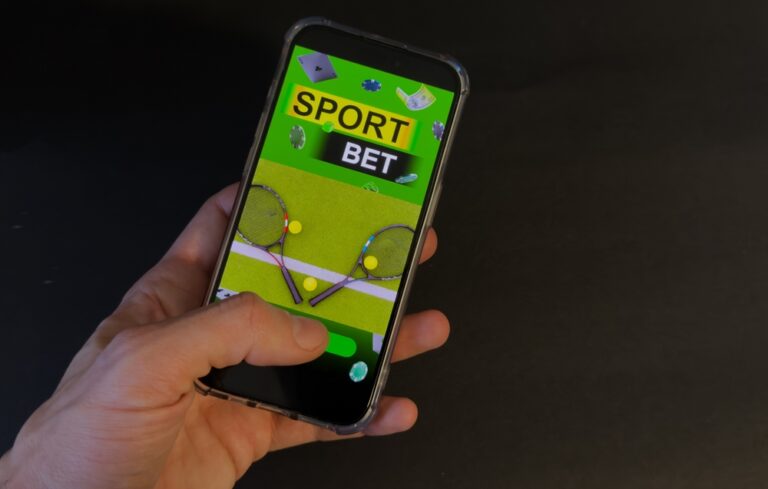
Since around 2014–2018, online bookies and sports betting apps have made betting faster, more private and more constant. Product design has often moved faster than public awareness, meaning some users only realise the harm after debts, secrecy or mental health problems have already taken hold.
Technology keeps people engaged. Instant deposits, one-tap betting, live streams, push notifications and personalised offers can make it hard for problem gamblers to pause. A Bristol study found that smartphone features such as privacy, promotions and being able to bet anywhere were linked with short-term betting harm among young adults.
Marketing also normalises betting. Shirt sponsorships, pitch-side adverts, social media campaigns and celebrity endorsements can make gambling feel like part of supporting a club. While the supreme court, american gaming association and national council often appear in US sports betting debates, the UK has had a mature sports betting culture for far longer.
Risk factors include:
- In-play betting, where every corner, card or point becomes another chance to bet.
- Accumulators and parlays, which promise large returns but usually carry low probability.
- Cash-out features, which can create an illusion of control; research on cash-out use links frequent use with higher harm.
- Near-misses that encourage chasing losses.
- Young men aged 18–34, especially university students and apprentices, being exposed to sports-focused betting culture.
- Financial stress, substance abuse, depression, anxiety and other mental health problems increasing vulnerability.
- The “casino in your pocket” effect: a smartphone can turn sports betting into a portable gambling venue, making abstinence much harder than leaving a physical casino.
Gambling addiction signs: how to spot a sports betting problem early
Sports betting addiction is often hidden. There may be no smell, no slurred speech and no obvious physical sign. Spotting gambling addiction signs early can prevent severe harm.
Signs of a sports betting addiction include a preoccupation with gambling, the need to gamble with increasing amounts of money, and gambling despite negative consequences. Individuals with a sports betting addiction may experience withdrawal symptoms such as restlessness or irritability when they attempt to stop or reduce their betting behavior.
Warning signs include:
- Constantly checking fixtures, odds, team news and betting apps.
- Needing to spend gambling time on more matches, more markets or larger stakes.
- Repeated unsuccessful efforts to cut down, pause or stop gambling.
- Betting when stressed, lonely, drunk or angry.
- Losing money gambling, then trying to win it back through “one more bet”.
- Borrowing money, using overdrafts or hiding credit card statements.
- Lying about accounts, losses or time spent betting.
- Missing work, lectures, family meals or social events to place bets.
- Mood swings depending on results, followed by guilt, shame or low self-esteem.
People with a gambling addiction often lie about their gambling activities, leading to secrecy and a breakdown of trust in relationships. If four or more signs continue over a 12-month period, it may point to gambling disorder. Do not wait for “rock bottom”; speak to a mental health professional or contact Help with Addiction.
How sports betting addiction affects your life, finances and mental health
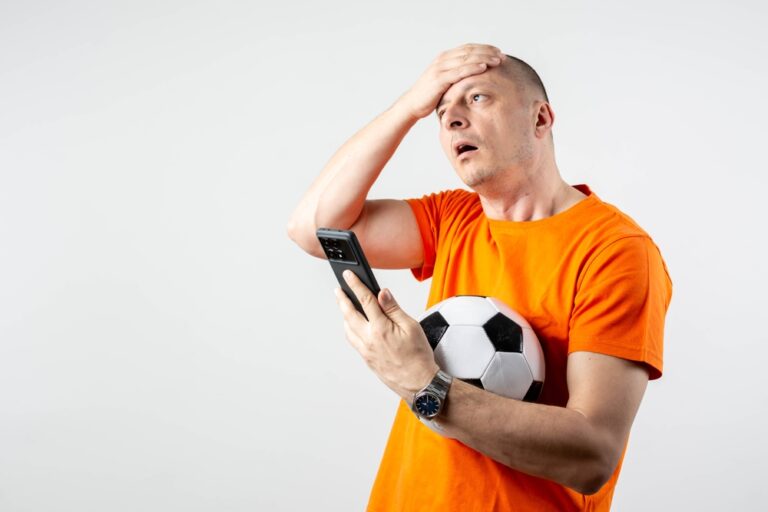
Betting addiction rarely stays “just about money”. It can affect physical health, mental health, family stability, work, study and legal safety.
Many UK clients contact Help with Addiction only after serious harm: bankruptcy fears, relationship breakdown, job warnings or suicidal thoughts. Earlier support can often prevent this. Co-occurring problems are common, including alcohol addiction, drug misuse, depression, anxiety, personality disorders and other behavioral addictions.
This section covers:
- Financial consequences of problem gambling on sports
- Impact on relationships, work and family life
- Legal and occupational risks, including fraud or embezzlement in desperate financial situations
- Mental health, physical health and suicide risk
Financial consequences of problem gambling on sports
Sports betting addiction can drain wages, savings, redundancy pay, student loans and mortgage funds. Individuals addicted to sports betting may face significant financial struggles, including spending all their savings on gambling and accruing debt, which can lead to illegal activities to finance their gambling habits.
The cycle often starts with chasing losses. A person may believe one more accumulator or “sure thing” will clear the debt, but this usually creates a deeper hole. For example, a UK football fan might begin with £10 Premier League bets, move to £100 in-play bets, then use payday loans and credit cards after a losing run.
Common harms include:
- Maxed-out overdrafts and credit cards.
- Missed rent, mortgage payments or council tax arrears.
- Payday loans used to fund betting.
- Selling possessions to provide money for bets.
- Illegal activities such as embezzlement or fraud to finance gambling, which can result in legal problems including fines or jail time.
Impact on relationships, work and family life
Sports betting addiction can strain personal relationships, leading to feelings of isolation and betrayal as individuals may lie to loved ones about their gambling activities. Trust breaks down when partners discover hidden accounts, secret loans or missing household money.
At work or university, betting behaviors can cause lateness, absence and poor performance. Someone may stay awake through late-night matches, watch odds during meetings, or miss lectures after heavy betting sessions.
Typical effects include:
- Arguments about money gambling losses and broken promises.
- Partners or parents repeatedly paying debts, then feeling trapped.
- Withdrawal from family life because fixtures and odds dominate attention.
- Damage to a significant relationship, including separation or divorce.
Mental health, physical health and suicide risk
Gambling disorder is strongly linked with mental health problems. Sports betting addiction can lead to significant mental health issues, including increased levels of anxiety and depression, as individuals may experience stress-related illnesses due to their gambling behavior.
The act of sports betting can cause mood fluctuations, leading to feelings of guilt, shame, and low self-esteem, which can further exacerbate mental health issues such as anxiety and depression. People may also use alcohol or drugs to cope, which can deepen both gambling problems and substance misuse.
Research indicates that individuals with gambling disorders have an increased risk of dying from any cause, with significantly higher rates of suicide compared to the general population. Research also indicates that individuals with gambling disorders are at a higher risk of experiencing suicidal thoughts and behaviors compared to the general population, highlighting the severe mental health implications of gambling addiction.
If you feel life is not worth living, seek urgent help now:
- Call 999 if you are in immediate danger.
- Call NHS 111 for urgent health advice.
- Contact Samaritans on 116 123, 24 hours a day.
- Tell a trusted family member and contact gambling addiction help as soon as possible.
Why some people are more vulnerable to sports betting addiction
Anyone can develop a gambling problem, but certain risk factors make sports betting addiction more likely. These include personality, mental health, environment and life stress.
Individual risks include impulsivity, high sensation-seeking, trauma, ADHD, depression, anxiety and a family history of gambling problems or alcohol addiction. Some people are drawn to the fast emotional highs and lows of sports betting because it temporarily distracts from stress or loneliness.
Environment matters too. Growing up around gambling, having friends who bet heavily on football, or seeing constant betting content on social media can make gambling feel normal. Underage gambling exposure can also shape later attitudes, even if the person does not legally gamble until adulthood.
Higher-risk situations include:
- Young men aged 18–29 in the UK, especially students and apprentices.
- Living with money worries, job loss or unstable work.
- Using betting to cope with relationship breakdown or loneliness.
- Having co-occurring substance abuse, gaming problems or online pornography addiction.
- Spending time in peer groups where betting on every match is expected.
- Believing sports knowledge removes risk, even though outcomes remain uncertain.
Self-help strategies: first steps to regain control of sports betting
Many people can make meaningful changes themselves, especially in the early stages of a betting addiction. Self help is not a substitute for treatment when harm is severe, but it can create immediate barriers and reduce relapse risk.
Start with practical steps:
- Close betting accounts and delete sports betting apps. Individuals can manage their sports betting addiction by closing their betting accounts and deleting sports betting apps, as well as asking trusted family members to help manage their finances responsibly.
- Remove saved cards from betting apps and lower ATM limits.
- Ask a trusted person to oversee essential bills for a period.
- Use blocking software such as GamBan or BetBlocker.
- Activate self exclusion through GAMSTOP for UK online gambling sites.
- In some jurisdictions, self-exclusion forms can be filled out to ban individuals from gambling facilities within a particular state, including casinos and online betting sites, with exclusion periods ranging from one year to a lifetime.
- Avoid sports bars, group chats or social media accounts centred on betting.
- Finding alternative activities, such as physical exercise or engaging in hobbies, can help individuals fill the time and energy void left by quitting gambling, reducing the likelihood of relapse.
- Try Gamblers Anonymous. Support groups like Gamblers Anonymous provide a 12-step program that helps individuals struggling with gambling addiction share their experiences and build a support network.
Professional treatment options for sports betting addiction in the UK

Sports betting addiction is treatable. Evidence-based treatment options can help people stop gambling, repair relationships and rebuild financial stability.
The right route depends on severity, risk, location, budget and whether there are co-occurring mental health or substance use disorders. Help with Addiction can talk through NHS services, private clinics, outpatient therapy, online therapy and residential rehab.
Treatment may include:
- Assessment of gambling behavior, debt risk and safety.
- Therapy for cravings, triggers and distorted beliefs.
- Support for depression, anxiety, trauma or substance abuse.
- Aftercare planning to reduce relapse.
Counselling and talking therapies (CBT and beyond)
Cognitive Behavioural Therapy (CBT) is a common treatment for sports betting addiction, focusing on changing negative thought patterns and behaviours associated with gambling. CBT helps people challenge beliefs about luck, odds, “insider knowledge” and the illusion of control.
In practice, CBT looks at triggers such as payday, weekend fixtures or stress after work. You learn coping skills, delay techniques, alternative routines and relapse-prevention plans.
You may also be offered:
- Motivational interviewing to strengthen commitment to change.
- Trauma-focused therapy where past experiences drive compulsive gambling.
- Family therapy to rebuild trust.
- Online therapy if travel, work or stigma makes in-person sessions difficult.
Online therapy, particularly online CBT, has been found to be as effective as in-person therapy for treating gambling addiction, offering convenience and confidentiality.
Residential rehab and intensive programmes
Residential rehab for gambling addiction provides a structured daily timetable, group therapy, one-to-one counselling, workshops and 24/7 support. It can be especially useful when home life is full of triggers or when previous attempts to stop have failed.
Inpatient rehab may be recommended for severe compulsive gambling, serious debt, legal problems, repeated relapse or high suicide and self-harm risk. Some UK centres specialise in behavioural addictions and dual diagnosis, including gambling plus alcohol or drug addiction.
What to expect:
- Typical stays of 14–28 days, sometimes longer.
- Therapy focused on betting behaviors, urges and recovery planning.
- Peer support with other gambling addicts or people recovering from addiction.
- Advice on cost, payment options and whether NHS funding might be possible in some cases.
Medication, NHS pathways and online therapy options
There is no magic pill that cures gambling disorder. Medication such as SSRIs or mood stabilisers may help where depression, anxiety or bipolar disorder is also present, but the core treatment is usually psychological.
NHS routes vary across England, Scotland, Wales and Northern Ireland. A GP can refer you to local talking therapies or specialist gambling clinics such as the NHS Northern Gambling Service or the National Problem Gambling Clinic. You can also explore NHS advice on gambling support.
Online therapy can be a practical option because it offers privacy, flexible appointments and support around work or match times. Help with Addiction can explain the difference between NHS and private options and help you decide what fits your needs, budget and location.
How Help with Addiction supports people with sports betting problems
Help with Addiction is a UK-based, independent advisory service founded by Perry Clayman. We offer free guidance for individuals and families affected by sports betting, gambling addiction and related addictions.
We listen to your situation, assess the severity of problem gambling and recommend tailored treatment options. That may include NHS support, charity services, private outpatient therapy or residential rehab. We can also explain what happens if alcohol or drug detox is needed alongside gambling treatment.
We can help with:
- Understanding whether sports betting has become compulsive.
- Comparing NHS, private and charity support.
- Discussing costs, waiting times and aftercare.
- Supporting partners, parents and adult children with boundaries and financial protection.
- Keeping the conversation confidential, practical and non-judgemental.
Helping a loved one with a betting addiction
It can be frightening to watch someone lose money, lie and withdraw because of sports betting. Anger is understandable, but blame usually makes secrecy worse.
Choose a calm time to talk. Use specific examples: missed rent, hidden accounts, broken promises or changes in mood. Avoid arguing while the person is actively betting, intoxicated or panicking after a loss.
Practical steps for loved ones:
- Do not provide money to cover gambling losses.
- Protect joint accounts and essential household bills.
- Get independent debt advice where needed.
- Encourage treatment without threatening or shaming.
- Look after your own mental health through a GP, counselling or support groups.
- Contact Help with Addiction even if the person gambling is not ready to speak yet.
Taking the next step: getting gambling addiction help today
Recovery from sports betting addiction is possible, even after years of compulsive gambling, serious debt or damaged trust. The most important step is to act today rather than waiting for another loss.
Remember:
- Sports betting addiction is a recognised mental health condition, not a moral failure.
- Self-help, peer support and professional treatment can work.
- Early action can prevent further financial, legal and relationship harm.
- Help with Addiction offers confidential, non-judgemental guidance focused on realistic solutions.
If you are ready to talk, contact Help with Addiction through our helpline or online enquiry form. We can help you understand your options and take the next step toward recovery.
Author
-
Dr Otulana has been practising medicine since 2000 and brings over a decade of dedicated experience as an Addiction Physician. He is a highly experienced Physician with a Specialist Interest in Substance Misuse Management, with extensive expertise in the assessment, treatment, and safe detoxification of individuals facing drug and alcohol dependency. His clinical work spans a broad range of complex addiction presentations, ensuring patients receive thorough, evidence-based care tailored to their needs.
Known to many as Dr Ola, he adopts a compassionate, person-centred approach to treatment. He carefully considers each individual’s previous experiences of detoxification and rehabilitation, shaping care plans that are responsive, respectful, and clinically robust. His commitment to delivering high-quality, individualised care has consistently generated positive feedback from patients and colleagues alike.
Alongside his clinical practice, Dr Otulana has a strong background in leadership and strategic development within healthcare. He holds a Master of Business Administration (MBA) from Cambridge University Judge Business School and has contributed to strategic decision-making, service development, and the creation of clinical protocols that enhance patient outcomes and operational effectiveness.
Dr Otulana is an Advanced Addiction Practitioner Member of Addiction Professionals and holds the Certificate in Clinical Psychopharmacology (Part 1) from the British Association for Psychopharmacology. Combining medical expertise with strategic insight, he is a well-rounded healthcare professional dedicated to advancing standards of care in addiction treatment.