People take ketamine for a whole range of different reasons, from genuine medical need in controlled hospitals to, on the other hand, those who use it to escape, feel euphoric, or just get some temporary relief from the emotional pain they’re in. Getting to the bottom of these motives is the first step in working out when ketamine use starts to tip over into ketamine misuse and knowing where you can get help.
Quick answer: why people take ketamine nowadays
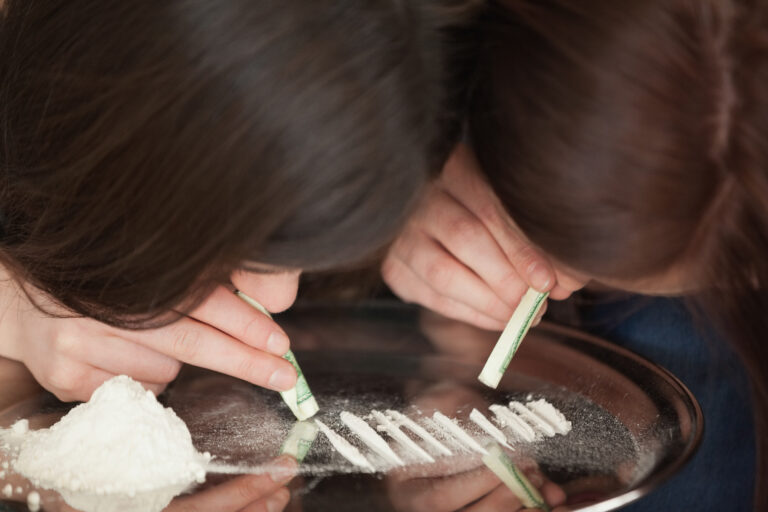
Ketamine is a double-edged sword in the UK. In hospitals and specialist clinics, doctors give it to patients as a form of anaesthetic and as an experimental treatment for depression that just won’t budge. But in the wider world outside of those controlled environments, we’re seeing a growing number of young adults self-administering ketamine to get away from it all, dull their stress, or medicate themselves for mental health issues they don’t feel they can tackle in other ways. Ketamine is classified as a Schedule 2 substance under the Misuse of Drugs Regulations 2001, which allows for legitimate medical use while strictly controlling its distribution and possession.
The numbers make pretty grim reading. According to the 2025 ACMD Ketamine Review, the number of people getting treatment for ketamine misuse in England jumped from just 426 in the year ending March 2015 to 5,365 in the year ending March 2025, a 12 fold increase over the course of a decade. Internationally, ketamine is not currently subject to control under the 1971 Convention on Psychotropic Substances, so individual countries set their own legal frameworks for the drug.
This rise in ketamine use is coming with a price. A 2025 report in the British Medical Journal highlighted a significant increase in ketamine-related hospital admissions in the UK, describing the drug as an emerging health concern particularly among people in the 15 to 24 age group. Reports of people getting hooked on ketamine, bladder damage from chronic use, and emergency hospital visits have all gone through the roof, especially among under 25s. Ketamine-related deaths have increased twentyfold since 2014, with many cases involving people mixing ketamine with other substances, particularly among young adults.
The UK government has been advised to consider further international control of ketamine due to increasing evidence of its misuse and trafficking.
Crime surveys have shown that the number of people in England and Wales who reported taking ketamine in the last year rose from 160,000 (0.5% of the population) in 2014 to 299,000 (0.9%) in 2022, with a significant rise in use among those in the 16 to 24 age group. Compared to other illegal drugs, ketamine use has shown one of the fastest increases in recent years. These trends in drug use highlight the need for ongoing monitoring and intervention, as patterns of ketamine and other illegal drug consumption continue to evolve.
According to the 2023 to 2024 Adult Psychiatric Morbidity Survey, ketamine use in the last year was reported by 4.3% of those aged 16 to 24, indicating a higher prevalence than the 2.9% estimate from the Crime Survey for the same year. The Scottish Schools Adolescent Lifestyle and Substance Use Survey also reported an increase in the proportion of 15-year-olds offered ketamine from 5% in 2015 to 10% in 2018, showing rising prevalence among younger age groups.
This article is about why people use ketamine, what happens when you take it, the risks of ketamine misuse and overdose, and where to go if you or someone you care about needs help.
What is ketamine and how is it used medicinally?
Ketamine has been around since the 1960s and is used both in people and animals since the 1970s. It is widely used in veterinary settings as an anaesthetic and painkiller for animals. Ketamine is classified as a dissociative anaesthetic, meaning it induces dissociation and unconsciousness during medical procedures, making it a valuable tool in both human and animal medicine. It’s still a pretty useful tool in emergency medicine and surgery because it doesn’t tend to knock out breathing or heart rate like a lot of other anaesthetics do. Doctors and vets use it to put people or animals under and take away pain in all sorts of situations.
At the end of the day, ketamine works by disrupting sensory signals to the brain, and that gives patients a weird but useful set of effects, it stops them feeling pain and experiencing reality in the same way. This is also why researchers are looking into ketamine’s potential for treating depression.
In the UK, ketamine was re-classed from Class C to Class B under the Misuse of Drugs Act 1971 in June 2014 after the Advisory Council on the Misuse of Drugs recommended it. It’s now a controlled substance in the UK, which means doctors have to jump through hoops to get it. Unsurprisingly, the UK’s government has now been advised to look at tighter controls on ketamine because of the growing evidence of misuse and trafficking.
When it is used legitimately in hospitals, ketamine is generally administered through an IV drip, a muscle injection, or through a special brand of nasal spray, and is typically provided as a clear liquid in healthcare settings. Some clinics are even using ketamine for treatment resistant depression and certain types of pain, but with supervision from a doctor every step of the way. The FDA has approved ketamine for treatment-resistant depression and certain pain management cases, including acute and chronic pain.
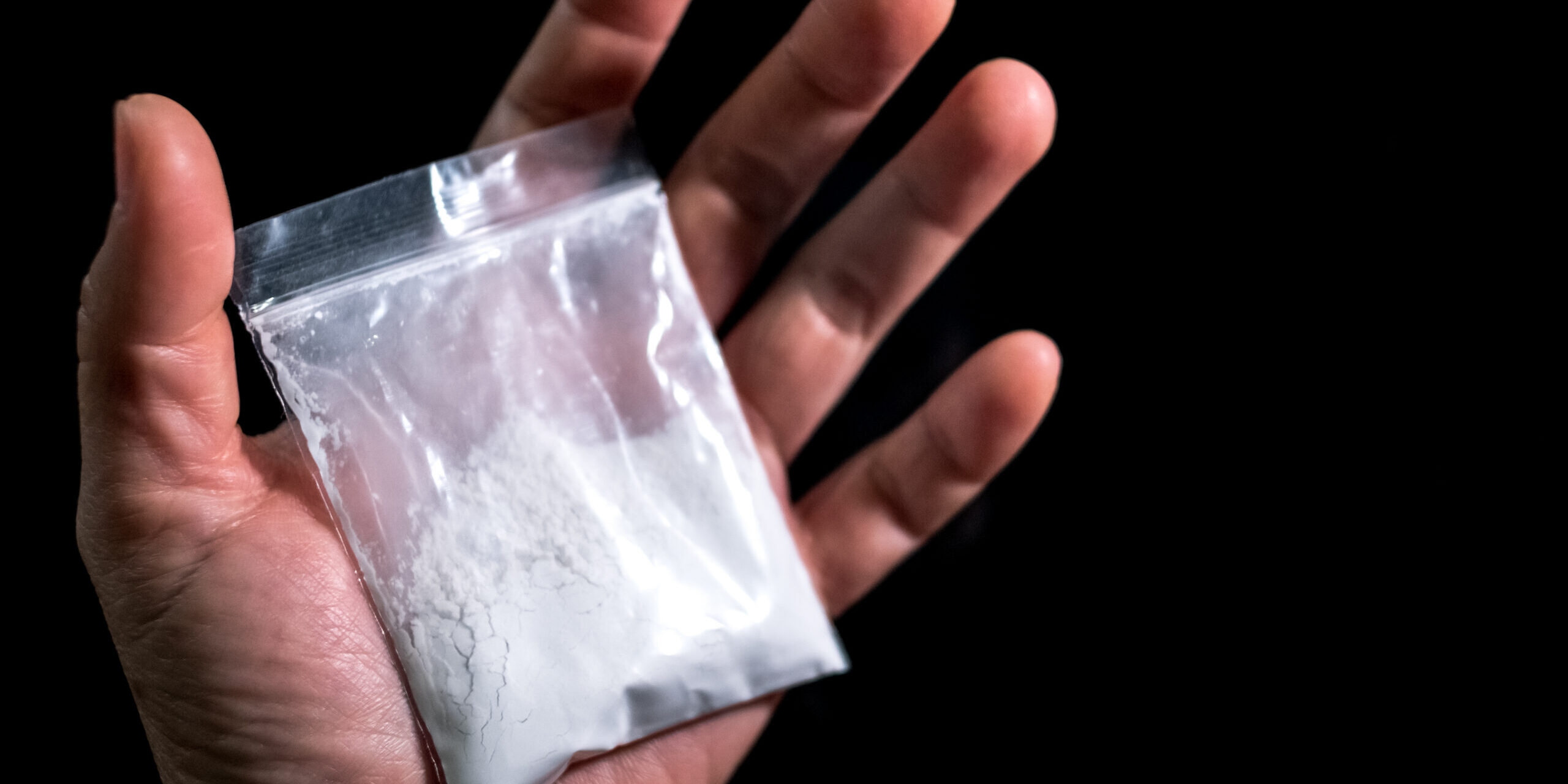
Recreational use of ketamine is a whole different ball game. This non medical use is associated with increased risks, dependence, and social harms. On the streets, it’s most commonly snorted, but some people swallow it or inject it – and because it comes in a powder form, it can look like cocaine to the untrained eye. Rec users are usually after the hallucinogenic and dissociative effects, but the downside is that it’s usually snorted in an unpredictable and uncontrolled environment with zero medical supervision.
The difference between medical and recreational use is all about control. When used properly in a clinic environment the doses are carefully measured out, the purity is guaranteed, and there are people watching out for potential complications. On the street, purity is a mystery, doses vary all over the place, and mixing it with other substances is surprisingly common – which adds a whole new level of risk.
Why do people take ketamine for kicks?
Motives for popping ketamine vary loads but usually boil down to a handful of pretty common reasons: the thrill of it, a bit of curiosity, pressure from mates, or using it to self-medicate to escape emotional pain that just can’t be managed with anything else. Many people are drawn to recreational ketamine for its unique effects and the perception that it offers a different kind of escape compared to other substances.
At low doses ketamine can give you that nice, mellow high that makes you feel like you’re floating on air. You get a real sense of calm and relaxation, and the music and lights seem to be more alive. No surprise then, that people use it at parties and clubs, where ketamine has long been known as a club drug, historically associated with nightlife and rave scenes.
As the dose goes up, users describe a ‘floaty’ dreamy state where time seems to warp and colours come alive. Sounds get all textured too. For some, that’s enough to make ’em feel a whole lot better – like they’ve got a holiday from all the daily worries that are stressing ’em out. However, too much ketamine can lead to dangerous effects, such as entering a ‘k-hole’, feeling detached from reality, and experiencing intense sensory distortion.
For a lot of people using ketamine, though, the appeal of disassociating goes way deeper, it’s a relief from the constant pressure of stress, trauma and other mental health issues. Now that’s not a healthy way to be coping but it explains why some people go back for more even when they know the risks. Recreational ketamine use among young people is often driven by these motives, with many seeking to self-medicate or enhance social experiences.
And it’s not just the individual reasons for using ketamine, social stuff plays a big role too:
- mates passing it around at parties or in private
- seeing it all over social media and club scenes – that creates a ‘if everyone else is doing it, why not me’ vibe
- dealers who are easily accessible through encrypted chat apps
- some people try it after having a bad experience with other drugs – they figure it’s safer, but that’s just not true.
There are broader shifts happening in drug use patterns, with recreational ketamine use moving from clubs to more private settings. Many young adults now use ketamine to self-medicate or enhance social experiences at home, reflecting changing social behaviours and increased accessibility.
Why is ketamine use on the rise among young people in the UK?
Crime Survey of England and Wales data shows the number of 16-24 year olds using ketamine in the last year has gone up from 0.8% (around 52,000 people) in 2012-13 to 3.8% (around 222,000) in 2022-23. Although things seem to have dipped a bit since then, use is still way higher than it was a decade ago.
The 2023-24 Adult Psychiatric Morbidity Survey shows 4.3% of 16-24 year olds used ketamine last year, which is way more than the 2.9% from the Crime Survey for the same year. In Scotland, the schools survey found that 10% of 15 year olds were offered ketamine in 2018, which shows the problem is on the up among younger kids.
It’s not just the cost that matters, ketamine can be a lot cheaper than a night out on the sauce or popping stimulants. And for students and young adults on a tight budget, that makes it a pretty tempting option.
Another reason for the rise is people underestimating the risks, because ketamine is used in hospitals for certain conditions, some young people think it’s a safer bet than other drugs. That’s completely wrong, though, ketamine misuse and ketamine addiction are just as serious.
Ketamine use has shifted from just clubs to more private settings, users are now popping it in their bedrooms, or out in the park with their mates. Some do it to ‘zone out’, relax after a stressful day or calm their nerves before going out.
With mental health issues on the rise, and overstretched services, some people are turning to self-medication rather than waiting for help. And that usually leads to more use and eventually the need for treatment, which is a whole other story.
Why do some people use ketamine for their mental health?
Ketamine has come to light as a possible rapid fix for depression when used under medical supervision, its unique action in the brain involves blocking NMDA receptors and affecting glutamate receptors, which alters neurotransmission and can quickly improve mood for people who haven’t responded to other treatments. In some cases, this can bring noticeable improvement in just a few hours or days.
NHS and private clinics in the UK are now using ketamine to help people with severe depression, but only with tight protocols in place, that means proper screening, careful dosing, monitoring, and follow-up support. One Oxford study found that after six ketamine infusions, 29% of patients had their symptoms reduced by half within three days.
But here’s the thing, all this publicity about medical ketamine has had some pretty unintended consequences. Some people are buying street ketamine and trying to self-treat their depression or PTSD without anyone to supervise them, this is considered ketamine abuse, as it involves misuse outside medical supervision. They don’t even know how much they’re taking or how it might interact with other meds they’re on. The difference between using ketamine medically & abusing it is a pretty huge deal. In clinics, for example, they make sure that your physical health is being monitored before, during, and after treatment because the person is getting psychological support alongside the medical intervention. Out on the streets though, no such safety net is in place, users are left to fend for themselves with unknown purity of the drug, unpredictable doses, and no one keeping an eye out for warning signs.
Using ketamine as a way of self-medicating can actually end up making things worse for your mental health in the long run. You get this initial relief but it creates a vicious cycle: mood dips between uses will then prompt more frequent use, which as a result increases your tolerance to the drug. Over time, people may need higher doses to achieve the same effect, which is a sign of ketamine dependence and can significantly up the risk of addiction.
Warning, don’t be fooled into thinking you can use ketamine to treat mental health issues, it carries some serious risks including bladder damage, cognitive impairment, making your depression worse, and the risk of an overdose. If you’re struggling with depression, anxiety, or trauma then please go see a doctor or get in touch with Help with Addiction for some guidance on safe & evidence-based treatment options.
Self medication, trauma & finding an emotional escape
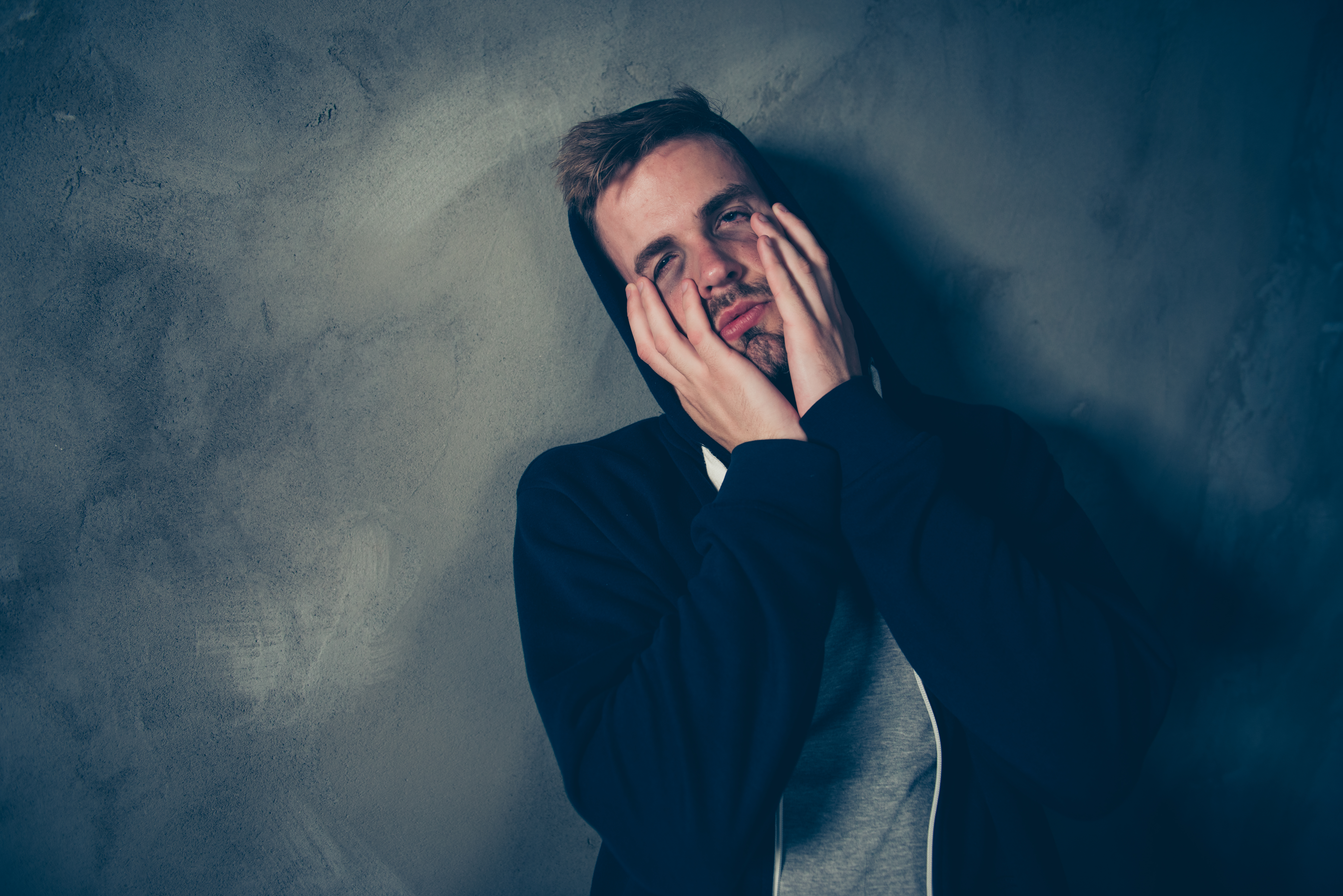
A lot of people who end up addicted to ketamine started using it as a way to cope with past trauma, chronic stress, grief or emotional pain. The dissociative effects of the drug are what make it so appealing because they offer a complete detachment from your internal experiences, which can be just what someone needs when they’re dealing with intrusive thoughts or flashbacks.
For someone who’s haunted by these sorts of things, feeling “out of body” can seem like a blessing, it gives them a temporary reprieve from the pain that feels impossible to shake. But this feeling of relief is short-lived and the brain quickly learns that ketamine is a reliable escape route from distress.
This pattern of use often starts socially, people may try ketamine at parties, but soon shifts to solitary use. They start using alone at home where they can hide the fact that they’re using from family or partners, ignoring any warning signs like urinary symptoms or stomach pain. What started out as a way of escaping reality has turned into a trap.
Trauma-focused therapy, EMDR, CBT and other evidence-based treatments are far safer options for dealing with distress and offer a longer-term solution. These therapies tackle the root causes of the problem and help build coping skills that stay with you after the session is over. If you identify with this description, reaching out to a professional for support could be the first step in your recovery journey.
What are people really after when they take ketamine?
Trying to work out what users are after when they take ketamine helps explain why it’s so appealing, and why that appeal can quickly turn into a danger. This section describes some of the experiences that users often look for, not to endorse them, but to understand where the appeal comes from.
Many recreational users are after altered sensory & psychological experiences – visual distortions where the edges of things get all fuzzy & the colours get all surreal, music that seems more immersive, or a distorted sense of time where minutes feel like hours. At moderate doses they describe watching their own life “like a film”, detached from all the normal worries & anxieties.
Recreational users of ketamine may experience time dilation, spatial disorientation, altered soundscapes, euphoria & psychological distress, and the unpredictability of it all is actually part of the draw for some, you never know exactly where the experience is going to take you.
For experienced users, the “K-hole” is a place to seek out a profound experience & for those who make it there, they can end up feeling completely disconnected from reality, sometimes even experiencing strange imagery or what they interpret as spiritual insights. The risk is real: in a K-hole, you’re completely immobile – unable to move, speak, or protect yourself from physical harm. Those who engage in heavy ketamine use, meaning high-dose or chronic consumption, are at greater risk of seeking out these intense experiences repeatedly, which can quickly lead to addiction, withdrawal symptoms, and substance use disorder.
Social motives also play a big role, some people use ketamine because it feels like a bonding experience, sharing stories about the intense experiences you’ve had, feeling part of an in-group, or using the drug with other substances on nights out. For some, it’s less about the drug itself than about being part of something.
Coping motives are also a big part of the picture, whether it’s a temporary escape from loneliness, low self-esteem, anxiety or boredom. In solitary or late night settings, ketamine becomes a reliable way to blow off the feelings that get too much for you, a pattern that can easily tip over into full-blown addiction, especially with heavy ketamine use.
Why some choose ketamine over other drugs
Some people switch from stimulants like cocaine or MDMA to ketamine because they find the comedowns from those drugs too much to handle. The crash after using cocaine, anxiety, depression, physical exhaustion, can be absolutely devastating. Ketamine’s dissociative effects feel like a breath of fresh air: calmer, more controlled, without the sharp edges.
Ketamine’s effects also differ from those of alcohol or cannabis, where those drugs just soften reality a bit, ketamine gets you completely out of it. For people who want to leave their current mental state entirely rather than just blur the edges a bit, that distinction is everything. Some users believe ketamine is less addictive than opioids or booze. However, while the physical dependence on ketamine develops differently, the psychological dependence can really kick in with intense cravings and a compulsion to keep using, showing that you’ve jumped from misuse to full-blown addiction. The physical health risks, especially the bladder damage, can be just as nightmarish as anything from other substances.
Much of the ketamine used recreationally is sourced from the illicit market, where illicit ketamine is manufactured and distributed without regulation. This unregulated supply increases the risk of contamination, unpredictable potency, and involvement with organized crime. In those wild chemsex parties or group scenes, ketamine is often handed out along with other drugs to keep the party going or to deaden the discomfort. This polydrug use shoots up the risk of an overdose or some unpredictable reaction.
Short-term effects and immediate risks people often miss
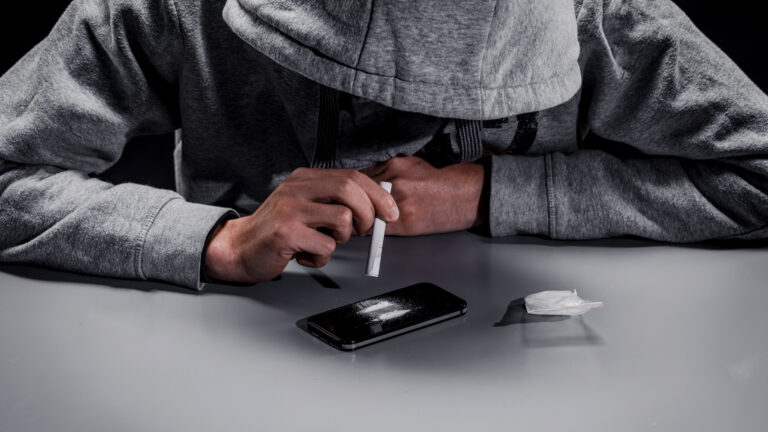
The same effects that make ketamine so appealing can quickly turn into a real danger, especially when you’re taking it at higher doses or mixing it with booze or other downers. What feels like a nice little dissociation at first starts to feel like a total disorientation, and misuse can lead to severe consequences.
If you’re taking ketamine at a low dose, you might get some nice euphoria, a physical relaxation, and an extra appreciation for music and light. You might get numb in the limbs, have blurred vision, slurred speech, and a wonky sense of time and space. Users often look like they’re drunk, but with a weird disconnected vibe.
But if you get to a higher dose, the K hole kicks in, a total dissociative state where you’re pretty much paralysed, hallucinating like crazy, and completely cut off from the world around you. In this state, you can’t even respond to danger. You’re wide open to accidents such as tripping, burning yourself, choking on vomit and getting assaulted.
Ketamine pretty much blocks the pain signals to your brain. So you might walk around on a broken bone, fall down the stairs, or get a burn without even realising how bad you’re hurt until the drug wears off. It can also cause changes in blood pressure, which can be dangerous, especially during acute reactions. And that’s when the physical harm really starts to add up, without the usual warning signs.
The mental health effects can be pretty severe too: panic attacks, paranoia, those terrifying hallucinations. Some users even keep going on about derealisation or depersonalisation for days after the drug has worn off, feeling like the world or their own body just isn’t quite real, which can trigger anxiety and depression in the days that follow. In severe cases, ketamine use can result in psychosis, respiratory depression, or even bladder destruction, requiring urgent medical intervention.
Risk of ketamine overdose and mixing drugs
While pure ketamine alone doesn’t usually cause respiratory arrest like opioids do, a ketamine overdose can still cause all sorts of serious health problems – including breathing and heart problems, and potentially life threatening things like cardiac arrest.
The problem is that when you mix ketamine with booze, benzos, opioids or GHB, it can shut down breathing and heart function, and send you to the hospital or even kill you. Since 2014, ketamine related deaths have skyrocketed, with many cases involving people mixing ketamine with other substances, in particular among young adults.
Warning signs of a ketamine overdose are pretty obvious:
- Very slow or irregular breathing
- Blue lips or fingertips
- You can’t wake the person up
- Repeated vomiting
- Seizures
- They’re completely unresponsive after a fall
If you think someone’s overdosed, call 999 right away. Move them to the recovery position, stay with them, and tell the paramedics what they’ve taken. Don’t worry about getting in trouble, emergency services are there to save lives.
And then there’s the polydrug use, which doesn’t just mess up your risk of an overdose. It also impairs your judgement so you’re more likely to get into trouble with your sex life, have accidents, get into fights and break the law.
Long-term effects: When repeated ketamine use starts to do some real damage
Using ketamine regularly can do some serious long-term damage to your physical health, your mental health, and your daily life, even if you’re not using it every day. Some of these harms might get better when you stop, but some could be permanent.
Prolonged ketamine use has been linked to severe consequences, including significant physical health risks such as bladder and urinary tract damage, which can lead to all sorts of problems with getting to the loo, having incontinence, and bladder fibrosis. In some cases, this condition, known as ketamine induced cystitis, can be so bad that you need surgery to fix it. And that just scratches the surface.
Abdominal pain, often referred to as “K-cramps,” is another common issue in chronic users. This abdominal pain can last for hours and is frequently accompanied by nausea and vomiting. It is linked to a spectrum of gastrointestinal and hepatobiliary complications, including bile duct damage and liver injury. There is also evidence that prolonged ketamine use can cause liver damage, with some cases even ending in liver failure.
Ketamine misuse can also lead to some serious cognitive problems, ike memory issues, concentration problems, and trouble processing information because of how it interacts with your brain. Users talk about “brain fog,” being slower on the uptake, and trouble following a conversation or getting stuff done.
Long term ketamine use has been linked to a range of psychological problems too, including a higher risk of depression, anxiety, and psychosis, especially for people with pre-existing conditions. The drug that was meant to help people escape from mental health problems ends up making them worse in the long run, creating a cycle that can feel impossible to break without getting some help.
From ketamine use to ketamine addiction
Not everyone who uses ketamine is going to become an addict, but repeated use does change the way your brain works, making you crave it and get into compulsive use patterns that get harder and harder to control. Signs of ketamine addiction can include a person increasing the amount of the drug they’re taking or the length of time they’re using it over what they originally planned to, or trying and failing to cut back or control their use. Spending a lot of time tracking down the drug, taking it, or getting over the effects is another red flag. Also, if they find themselves needing larger doses to get the same high a sign of tolerance and physical dependence, it’s a sign that they’re developing a problem.
Psychological dependence on ketamine can rear its head as cravings and a feeling that they can’t socialise, sleep or cope with stress without it. And to be honest, life can start feeling pretty narrow as they become obsessed with getting their hands on the drug. They’ll describe feeling unable to manage without it, which is a scary place to be.
Trying to stop using ketamine after a period of prolonged use can lead to withdrawal symptoms, such as confusion, insomnia, fatigue, and agitation. Now while physical withdrawal might not be as dramatic as what happens with booze or heroin, the psychological withdrawal is just as debilitating – low mood, anxiety, irritability and cravings that feel just overwhelming.
If you spot these patterns in yourself or someone you care about, it’s a good idea to get help early on. The sooner you tackle the problem, the less damage to your physical health, the easier it is to stop and the stronger your foundations for long term recovery will be, as ongoing support and aftercare are crucial for sustained sobriety.
Who is most at risk from ketamine misuse?
Anyone can develop a problem with ketamine, but there are some groups that are a bit more vulnerable.
Young people and students are at a higher risk because they tend to be more open to trying new things, there’s often peer pressure and they may be in environments where drugs are more normalised. And starting to use ketamine in the early teens can lead to a rapid progression to dependence and more severe bladder and cognitive problems later on.
People with existing mental health issues like depression, anxiety, and PTSD are more likely to use ketamine as a way to self-medicate, but this usually only makes things worse over time. Those with a history of trauma, abuse or unresolved grief often find the dissociative effects of ketamine particularly appealing, which isn’t a good thing.
LGBTQ+ individuals who use ketamine in the context of chemsex are particularly at risk in the UK, as studies have shown they are disproportionately affected. Combine ketamine with other substances in long sexual encounters and you’ve got a code for disaster.
If you’re already using illicit drugs or drinking heavily, your risks are compounded. Clubbers who mix ketamine with cocaine, MDMA, booze and other substances are raising their chances of an overdose to astronomical levels. People who use opioids or benzos to sleep after a ketamine session are accelerating their progression to addiction and drug misuse.
Impact on family, relationships and daily life
Ketamine addiction puts a strain on relationships that can be really damaging. Broken trust, endless arguments over money, lies about what’s going on, all these things can really erode the connections that could actually help with recovery. Family and partners worry constantly about physical harm and mental health and they often feel powerless.
At work, school or uni, you’ll start to notice the effects of ketamine, missed deadlines, absences, declining grades and disciplinary action. Some people even lose their jobs or drop out of education which just limits their opportunities and makes the cycle of stress that led to ketamine use in the first place even harder to break.
Regular ketamine use can lead to serious financial problems, not just the cost of the drug itself, but taxis, nights out, medical costs for complications and so on. Debt accumulates and in some cases people even turn to theft or selling possessions.
And if you get caught with ketamine by the police, you could end up with a criminal record, arrest, and all sorts of other problems that will stay with you long after you’ve stopped using.
If you’re a family member worried about someone’s ketamine use, know that help is available. You don’t have to go through this alone.
Can you avoid harm if you're still using ketamine?
The safest thing for your physical and mental health is to just not use ketamine at all, especially if you’re showing signs of addiction or bladder problems. Every single time you use it carries a risk, and you can’t guarantee safety with unknown purity.
If you’re not ready to stop, the most sensible approach is to take some harm reduction steps to reduce the risk:
- Don’t mix your substances, ketamine and booze, benzos or opioids are a bad combination
- Never use alone, have a sober mate with you to call for help if needed
- Start with small doses and don’t redose right away
- Space out your sessions, the more often you use it, the more damage it will do to your bladder and your brain
- Stay in safe places where you won’t hurt yourself or get mugged
Stay on top of your physical health and keep an eye out for signs of problems. If you’re experiencing urinary symptoms, or your mood is low, or you’re getting memory issues, get medical help early on. Healthcare professionals can help you sort it out before it’s too late, and they are trained to provide support and guidance for ketamine-related issues.
And never, ever drive or operate machinery after taking ketamine. We’ve got strict laws in the UK about driving under the influence of drugs, and ketamine can play havoc with your coordination, perception and reaction time for hours after use.
Reducing the immediate danger is one thing, but these steps don’t do anything to address the underlying reasons for using ketamine in the first place. Prevention and awareness are also crucial, comprehensive drug education can help reduce ketamine-related harms by providing evidence-based information and promoting safer choices. If you find yourself prioritising harm reduction over actually stopping, that’s a warning sign you’d do well to pay attention to.
When Do You Need to Ask for Help?

Take a good hard look at these questions, and don’t be afraid to tell the truth:
- Do you find yourself just can’t quit, despite knowing you need to?
- Are you relying on ketamine just to get through the day or to deal with your emotions?
- Are you sneaking around and hiding your ketamine use from people close to you?
- Have you started to notice problems with your bladder, stomach, or memory?
- Are you getting worried about ketamine overdose or finding yourself mixing drugs more and more often?
If the answer is yes to any of these, and it’s okay if it is, then it’s a sign that ketamine is starting to get out of control and you need some help. These are warning signs, not failures on your part. They just mean that ketamine is having a bigger impact on your life than you’re comfortable with.
The sooner you get help the better. It means you’ll generally be able to avoid some of the more serious physical damage, you’ll find it easier to get through the withdrawal process, and you’ll be building a firmer foundation for the long term. But if you wait until things have spiralled further out of control, it can make things a lot harder for you.
Whether you’re the one using ketamine or you’re worried about someone you care about, a partner, a child, a friend, help is available. Drug treatment services are specifically designed to support individuals with problematic ketamine use, offering specialized pathways and timely access to care. Healthcare professionals can guide you through the process and connect you with the right support. And that’s what the next section is all about: How Help with Addiction UK can help you find the right treatment.
How Help with Addiction UK Can Help You With Ketamine Addiction
Help with Addiction is a UK-based service run by a chap called Perry Clayman, a bit of a pioneer in the field of addiction support. The key thing about this service is that it’s free, confidential and completely independent. They offer free advice and support for anyone in the UK who’s struggling with ketamine misuse or addiction to any other substance.
What they do is help you work out just how much ketamine use is going on, from the odd binge to daily dependence. Then they connect you with all the different types of treatment services that might be able to help you. That includes both NHS and private options, tailored to your individual needs and circumstances.
So what kind of support might you get? Well, it could be:
- A medical assessment to take a closer look at any physical health damage you’ve been doing to yourself – and how that’s affecting your overall health.
- A medically-supervised ketamine detox programme – which is the safe way to manage withdrawal symptoms like confusion, insomnia and fatigue when you finally decide to quit.
- Residential ketamine rehab for those who need to get way from the pressures and temptations of everyday life for a bit.
- Outpatient counselling for those who can still keep their day-to-day life going.
- Therapy like Cognitive Behavioural Therapy (CBT) to help tackle the psychological stuff and find new ways of coping.
- Support groups and rehab centres that help you connect with others who are going through similar stuff – and that help you stick to the skills you’ve learned.
- Holistic treatments like mindfulness, meditation and physical therapy to help you look after your mental health while you’re going through recovery.
And on top of all that, Help with Addiction also support the loved ones of people struggling with ketamine addiction, with guidance on how to talk about it, how to set boundaries and how to encourage treatment without causing more conflict or shame. Because let’s face it, families dealing with ketamine addiction don’t have to face it alone.
Next Steps: Reaching Out to Us About Ketamine Use
If you or someone you care about recognises some of the warning signs of ketamine addiction, ketamine misuse or harms from mixing drugs, get in touch with Help with Addiction and let’s get talking. You can reach them via the helpline or online contact form, and start a confidential conversation with an advisor.
When you get in touch, they’ll want to know a bit more about your ketamine use, your mental health, any other substances you’re using, and your physical health. Based on that, they’ll give you some practical help and advice that’s tailored to your situation, not some one-size-fits-all solution.
Support is available for anyone using ketamine, and for anyone who’s worried about someone else – whether it’s a partner, a child, a friend. The young adults, people with co-occurring mental health disorders and those who’ve been using ketamine for months or even years can all benefit from the right support.
Change is possible, and taking the first step of talking to someone can be the turning point that gets you away from ketamine harm and on to a more fulfilling life. The conversation itself might be tough, but what comes after is worth it, support, understanding and a clear path forward.
Author
-

Dr Otulana has been practising medicine since 2000 and brings over a decade of dedicated experience as an Addiction Physician. He is a highly experienced Physician with a Specialist Interest in Substance Misuse Management, with extensive expertise in the assessment, treatment, and safe detoxification of individuals facing drug and alcohol dependency. His clinical work spans a broad range of complex addiction presentations, ensuring patients receive thorough, evidence-based care tailored to their needs.
Known to many as Dr Ola, he adopts a compassionate, person-centred approach to treatment. He carefully considers each individual’s previous experiences of detoxification and rehabilitation, shaping care plans that are responsive, respectful, and clinically robust. His commitment to delivering high-quality, individualised care has consistently generated positive feedback from patients and colleagues alike.
Alongside his clinical practice, Dr Otulana has a strong background in leadership and strategic development within healthcare. He holds a Master of Business Administration (MBA) from Cambridge University Judge Business School and has contributed to strategic decision-making, service development, and the creation of clinical protocols that enhance patient outcomes and operational effectiveness.
Dr Otulana is an Advanced Addiction Practitioner Member of Addiction Professionals and holds the Certificate in Clinical Psychopharmacology (Part 1) from the British Association for Psychopharmacology. Combining medical expertise with strategic insight, he is a well-rounded healthcare professional dedicated to advancing standards of care in addiction treatment.