

Opioid Rehab Treatment in the UK

Medically reviewed by

Call for a Free Confidential Assessment

Get Help Now
Opiod Rehab Graphic

Opioid addiction is a treatable chronic disease. With the right combination of medication-assisted treatment, behavioural therapy, and ongoing support, lasting recovery is achievable. This guide explains what to expect from opioid addiction treatment in the UK, covering everything from medically supervised detox to long-term recovery planning. Whether you’re considering NHS services or private treatment options, understanding the process can help you or your loved one take the first step toward regaining control.

Quick Answer: What Is Opioid Rehab?

Opioid rehab is a structured treatment programme designed to help individuals overcome dependence on opioids, including heroin, prescription opioid painkillers, and synthetic opioids such as fentanyl. It addresses both the physical withdrawal symptoms and the underlying psychological issues that drive compulsive opioid use.

A comprehensive opioid addiction treatment programme typically combines several essential components. Medical detox allows the body to safely withdraw from opioids under clinical supervision. Medication-assisted treatment using methadone, buprenorphine, or naltrexone helps stabilise brain chemistry and reduce cravings. Behavioural therapy addresses the thought patterns and emotional triggers that contribute to drug use.

Treatment can take place on a residential basis, where clients stay at an inpatient rehab facility for the duration of their programme, or through outpatient treatment, which allows individuals to continue living at home whilst attending regular therapy sessions at community drug treatment services.

Modern opioid rehab follows evidence-based approaches recommended by NICE guidelines and the Department of Health’s clinical guidance. This scientific foundation ensures that each person receives a treatment plan tailored to their specific needs, maximising the chances of successful recovery.

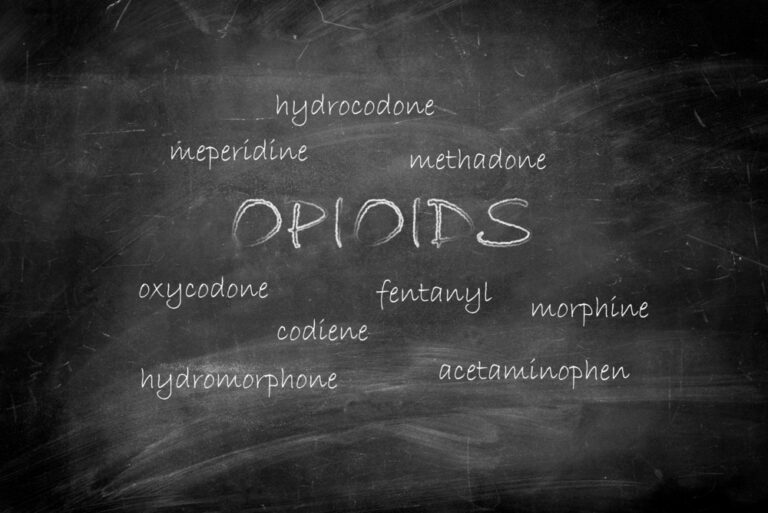
Opioids listed on a blackboard

When Is Rehab Needed for Opioid Addiction?

Signs Professional Treatment May Be Needed

Recognising when opioid use has progressed to dependence requiring professional support is crucial. Several warning signs indicate that addiction treatment may be necessary.

Physical signs of opioid dependence include developing tolerance (needing larger doses to achieve the same effect) and experiencing withdrawal symptoms when attempting to reduce or stop use. These symptoms—including muscle aches, nausea, anxiety, and insomnia—indicate the body has become reliant on opioids to function normally.

Failed attempts to quit or reduce opioid use independently often suggest that professional support is essential. When someone continues using despite experiencing negative consequences—health problems, relationship difficulties, legal issues, or job loss—the addiction has reached a stage where medical care is warranted.

Using opioids primarily to avoid withdrawal rather than for chronic pain relief represents a significant shift toward dependence. Doctor shopping, obtaining prescriptions from multiple sources, or accessing opioids through illegal means are further indicators that substance use has become problematic.

Risks of Continued Opioid Use

Continued opioid use carries substantial risks that increase over time. In 2024, approximately 2,621 deaths in England and Wales involved opiates or opioids—nearly half of all drug-poisoning deaths registered that year. Deaths involving synthetic opioids such as nitazenes quadrupled from 2023 to 2024, highlighting the unpredictable potency of street drugs.

Overdose Warning: The risk of fatal overdose is significantly elevated when using illicit opioids, which may be contaminated with highly potent synthetic substances. Signs of overdose include slow or stopped breathing, blue lips or fingertips, and unresponsiveness. If you suspect an overdose, call 999 immediately and administer naloxone if available.

Beyond overdose risk, ongoing opioid abuse leads to serious physical complications including respiratory depression, collapsed veins from injection, increased risk of infectious diseases (HIV, hepatitis B and C), and cardiovascular problems.

Mental health deterioration commonly accompanies opioid dependence. Co-occurring disorders affect a significant proportion of those with drug addiction, creating complex challenges that require integrated treatment. Mood swings, depression, and anxiety frequently worsen without intervention.

Hands tied to opioids to show addiction

The Opioid Rehab Treatment Process

Understanding what to expect during opioid rehab can help ease anxiety and prepare you for the journey ahead. Treatment progresses through distinct phases, each building upon the previous to create a foundation for long-term recovery.

The recovery journey begins with a comprehensive assessment conducted by addiction specialists. This evaluation examines your opioid use patterns, including types of opioids used, duration, frequency, dose, and route of administration.

A thorough medical evaluation identifies physical health complications and guides detox planning. Laboratory tests may include liver and kidney function panels, screening for blood-borne viruses, and pregnancy testing where applicable.

Mental health screening identifies co-occurring disorders such as depression, anxiety, or trauma-related conditions. This information, combined with assessment of your social circumstances and support networks, forms the foundation of your individualised treatment plan.

Medical detox represents the first active phase of treatment, allowing the body to clear opioids whilst managing withdrawal symptoms safely. Under professional supervision, this process typically takes 5-10 days, though duration varies based on the specific opioid used and severity of dependence.

Safety Warning: Attempting opioid detox without medical supervision is dangerous. Severe dehydration, electrolyte imbalances, and cardiovascular complications can occur. Additionally, tolerance drops rapidly during withdrawal, dramatically increasing overdose risk if relapse occurs.

Throughout detoxification, healthcare professionals provide continuous monitoring in a structured environment free from triggers. Medications are administered to ease discomfort and prevent complications, whilst nutritional support addresses deficiencies common in those with opioid dependence.

Following initial stabilisation, medication-assisted treatment continues alongside intensive therapy. Evidence-based medications—methadone, buprenorphine, or naltrexone—form the medical foundation of treating opioid dependence.

Simultaneously, behavioural therapy begins addressing the psychological aspects of addiction. Cognitive behavioural therapy helps identify thought patterns driving opioid use, whilst group therapy sessions provide peer support and skill-building opportunities.

Before completing intensive treatment, a detailed recovery plan is developed. This includes strategies for preventing relapse, identifying personal triggers, and establishing ongoing support through aftercare services.

Building family support networks and developing healthy coping strategies are essential components. The transition from intensive treatment to maintenance care is carefully planned to maintain progress and support long-term stability.

Opioid Detox and Withdrawal Management

Opioid detox involves allowing the body to eliminate opioids whilst carefully managing the resulting withdrawal symptoms. The process varies significantly depending on whether short-acting opioids (heroin) or long-acting opioids (methadone) are involved.

Individuals are happy they are in addiction treatment

Medication-Assisted Treatment for Opioid Dependence

Medication-assisted treatment combines evidence-based medications with counselling and behavioural therapy to provide a comprehensive and personalised approach to treating opioid use disorders. Research shows this combined approach halves the risk of fatal overdose compared to non-medication approaches.

Methadone Treatment

Methadone is a long-acting full opioid agonist that prevents withdrawal symptoms and reduces cravings without producing the euphoric high associated with heroin or other short-acting opioids. UK guidelines recommend therapeutic doses of 60-120 mg daily for optimal effectiveness.

Treatment requires daily attendance at a clinic or pharmacy for supervised consumption, particularly during the first three months. This strict regulation ensures safety and allows clinical monitoring. Once stability is demonstrated, take-home doses may be considered based on individual risk assessment.

Methadone is particularly suitable for individuals with severe opioid dependence, high tolerance, or those who haven’t responded to partial agonist treatments. However, it carries higher overdose risk than partial agonists, especially when combined with alcohol or sedatives.

Buprenorphine (Suboxone) Treatment

Buprenorphine is a partial opioid agonist with a “ceiling effect”—meaning its effects plateau at higher doses, significantly reducing overdose risk. Initial doses typically start at 4-8 mg, with therapeutic targets of 12-16 mg daily, though some patients may require up to 32 mg.

The combination product with naloxone (marketed as Suboxone) deters misuse via injection, as the naloxone precipitates withdrawal if injected but has minimal effect when taken sublingually as prescribed.

Buprenorphine offers advantages for many patients, including a safer profile, potential for office-based prescribing, and earlier eligibility for take-home doses. It may be particularly appropriate for individuals with lower opioid tolerance, respiratory conditions, or those needing more flexible treatment arrangements.

Naltrexone for Opioid Addiction

Naltrexone works differently from methadone and buprenorphine—it’s an opioid antagonist that blocks opioid receptors, preventing any euphoric effects if opioids are used. This makes it suitable for highly motivated individuals who have completed full detoxification.

Important: Naltrexone must only be started after complete detox. Beginning treatment too early will precipitate severe withdrawal symptoms. A waiting period of at least 7-10 days after last opioid use is typically required.

Monthly injectable naltrexone (Vivitrol) improves compliance by eliminating the need for daily dosing decisions. This option benefits those who struggle with medication adherence or prefer the convenience of monthly administration.

Therapies Used in Opioid Rehab

Effective opioid addiction treatment combines medication with various therapies addressing the psychological, social, and behavioural aspects of addiction. This holistic approach treats the whole person, not just the physical dependence.

Counsellor wiating to help in rehab

Cognitive Behavioural Therapy (CBT)

Cognitive behavioural therapy is among the most effective evidence-based approaches for opioid addiction. It works by identifying and changing the negative thought patterns that drive drug use whilst developing practical coping strategies for managing triggers and cravings.

Through CBT, individuals learn techniques like “urge surfing”—observing cravings through mindfulness without acting on them. This builds the capacity to experience triggers without relapsing. The therapy also addresses underlying psychological issues contributing to addiction, including trauma, depression, and anxiety.

Integration of CBT with medication-assisted treatment produces superior outcomes compared to either approach alone, addressing both physiological and psychological components of opioid dependence.

Contingency Management

Contingency management uses positive reinforcement to encourage treatment goals. Rewards—which may include vouchers, privileges, or take-home medication doses—are provided for negative drug tests, treatment attendance, and meeting recovery milestones.

NICE guidance supports contingency management for opioid addiction, recommending its use during detox and for 3-6 months afterward. Research demonstrates this approach significantly improves treatment retention and abstinence rates.

Group Therapy and Peer Support

Group therapy sessions harness the power of shared experience in recovery. Hearing others’ stories reduces isolation and provides practical insights that individual therapy alone cannot offer.

Participation in support groups builds social skills and the ability to form healthy relationships—often damaged during active addiction. Programmes like Narcotics Anonymous and SMART Recovery offer structured peer support extending beyond formal treatment.

Dialectical behaviour therapy groups help individuals manage intense emotions and improve interpersonal effectiveness. Family therapy sessions address relationship dynamics and help rebuild trust damaged by addiction.

NHS Treatment Pathways for Opioid Addiction

The NHS provides free opioid addiction treatment through community drug and alcohol services. Understanding the referral process helps individuals access appropriate care efficiently.

GP Referral Process

In most cases, the first point of contact is a GP, who can assess substance use, screen for co-occurring conditions, and refer to specialist drug treatment services. Some GPs with appropriate accreditation may initiate prescribing of medication-assisted treatment themselves.

Urgency criteria exist for priority assessment—those at high risk of overdose, with serious medical complications, or in crisis situations may access faster referral pathways. Self-referral directly to local drug services is also possible in many areas.

Community Drug Treatment Services

Community drug treatment services provide the majority of opioid addiction treatment in the UK. These services offer:

  • Outpatient prescribing of methadone and buprenorphine

  • Supervised medication dispensing through community pharmacies

  • Individual counselling and therapy sessions

  • Group sessions and peer support programmes

  • Harm reduction services including needle exchange

  • Coordination with social services for housing and benefits support

Treatment is free at point of access, with services commissioned locally. Waiting times vary by region, though urgent cases typically receive priority assessment.

Call for a Free Confidential Assessment

Get Help Now

How Long Does Opioid Rehab Last?

The initial treatment phase progresses through several stages:

Detox (5-10 days): Medical supervision throughout withdrawal, symptom management, and stabilisation.

Stabilisation (2-4 weeks): Finding the optimal medication dose, beginning therapy, and establishing routines.

Intensive treatment (3-6 months): Regular therapy sessions, group work, and development of coping strategies whilst building recovery skills.

Maintenance and Long-Term Recovery

Evidence strongly supports extended medication-assisted treatment. Many individuals continue methadone or buprenorphine for 12 months to several years—some indefinitely. This approach maintains progress and significantly reduces relapse and overdose risk.

Ongoing support includes regular therapy, participation in support groups like Narcotics Anonymous or Alcoholics Anonymous (for those with co-occurring alcohol use), and gradual reduction in appointment frequency as stability increases.

The goal is not simply reaching a treatment endpoint, but building a sustainable recovery that supports emotional wellbeing and long-term stability. Treatment goals should be individualised, with decisions about medication duration made collaboratively between patient and prescriber.

Private Opioid Rehab Options

Benefits of Private Treatment

Private residential rehab programmes offer several advantages for those who can access them. Immediate admission without waiting lists means treatment can begin when motivation is highest.

Inpatient care provides:

  • 24/7 medical supervision and inpatient treatment

  • Higher staff-to-patient ratios enabling more individualised attention

  • Comprehensive residential programmes typically lasting 28-90 days

  • Comfortable accommodation and quality amenities

  • Integration of various therapies including holistic approaches

  • Free aftercare programmes for ongoing support

The structured environment of residential treatment removes individuals from triggers and enabling environments, allowing complete focus on recovery.

Choosing Private vs NHS Treatment

The decision between private and NHS treatment depends on several factors. Cost is significant—private residential programmes range from several thousand pounds per week depending on amenities and programme intensity. Some private health insurance policies cover addiction treatment; verification is essential before admission.

NHS treatment is free and evidence-based but may involve longer waiting times. Community-based treatment allows individuals to maintain work and family commitments whilst receiving care.

Many people combine approaches—using private treatment for intensive initial stabilisation, then transitioning to NHS community services for ongoing support. This integration can provide both immediate intensive care and sustainable long-term management.

When evaluating options, consider addiction severity, medical complications, previous treatment history, and practical circumstances. A comprehensive assessment from our admissions team can help clarify the most appropriate pathway.

Getting Help for Opioid Addiction

Recovery from opioid dependence is achievable with proper treatment. Thousands of people successfully overcome addiction each year and go on to live fulfilling lives. The decision to seek treatment represents the most important step on that journey.

Given the serious overdose risks associated with ongoing opioid use—particularly with the increasing presence of highly potent synthetic opioids in the drug supply—seeking professional support promptly is advisable.

All enquiries are treated with complete confidentiality. Our admissions process is designed to be supportive and non-judgmental, helping you understand your treatment options without pressure.

Naloxone Information: Naloxone is a medication that can reverse opioid overdose. It’s increasingly available through pharmacies, drug services, and harm reduction programmes. Having naloxone accessible can be life-saving for individuals who use opioids and their families.

Family support is also available. Opioid addiction affects entire families, and services exist to help loved ones understand the condition and support recovery whilst maintaining their own well being.

If you’re ready to explore treatment options, contact our admissions team today. Professional support is available to guide you through every stage of the process.

Lorem ipsum dolor sit amet, consectetur adipiscing elit. Ut elit tellus, luctus nec ullamcorper mattis, pulvinar dapibus leo.

Frequently Asked Questions

Is medication-assisted treatment safe for long-term use?

Methadone and buprenorphine are safe for long-term use when properly prescribed and monitored. Extensive research spanning decades demonstrates their effectiveness in reducing illicit opioid use, preventing overdose, and improving overall health outcomes.

Regular medical monitoring addresses potential side effects, which may include constipation, hormonal changes, and sleep disturbances. These are manageable and far outweigh the risks of continued illicit opioid use, which include overdose death, blood-borne infections, and progressive health deterioration.

The National Institute for Health and Care Excellence supports long-term medication-assisted treatment as a first-line approach for opioid dependence, recognising addiction as a chronic disease requiring sustained management.

How dangerous is opioid detox?

Opioid withdrawal, whilst extremely uncomfortable, is rarely life-threatening when medically supervised. However, unsupervised detox carries significant risks including severe dehydration from vomiting and diarrhoea, electrolyte imbalances, and cardiovascular complications.

The greatest danger comes after detox: tolerance drops rapidly, meaning previously tolerated doses can cause fatal overdose if relapse occurs. This risk is particularly elevated in the first weeks after withdrawal.

Medically assisted detox in an inpatient setting provides continuous monitoring, immediate intervention for complications, and careful transition to ongoing treatment—significantly reducing these risks.

How long do I need to take medication for opioid addiction?

There is no standard duration for medication-assisted treatment. Individual variation means some people may successfully taper after 12-18 months, whilst others benefit from maintenance treatment lasting years or indefinitely.

Research consistently shows that premature discontinuation of medication increases relapse and overdose risk. NICE guidance recommends that following successful detox, continued treatment and monitoring should last at least six months to maintain sobriety.

The optimal duration should be determined collaboratively with your prescriber, based on stability, recovery strength, and individual circumstances. Rushing to stop medication is generally discouraged when someone is doing well—stability itself indicates the treatment is working.

Can I get opioid addiction treatment through the NHS?

Yes. Free opioid addiction treatment is available through NHS-commissioned services throughout the UK. GP referral to local drug and alcohol services is the typical pathway, though self-referral is possible in many areas.

NHS services provide evidence-based treatment including medication-assisted treatment with methadone or buprenorphine, counselling, group sessions, harm reduction services, and social support coordination.

Waiting times vary by region and service capacity. Urgent cases—those at high overdose risk or with serious medical complications—may receive priority assessment. Contact your local drug service or GP to discuss accessing treatment and expected timelines in your area.