
MDMA Rehabilitation Treatment in the UK

Medically reviewed by

Call for a Free Confidential Assessment

Get Help Now
MDMA Ecstasy Rehab Graphic

MDMA rehabilitation provides structured, clinically supervised treatment for individuals whose ecstasy use has developed into a harmful pattern affecting their mental health, relationships, and daily life. Unlike substances with severe physical withdrawal syndromes, ecstasy addiction treatment focuses primarily on psychological dependence, serotonin system recovery, and developing healthier coping mechanisms. This comprehensive guide explains what to expect from MDMA addiction treatment in the UK and how to find mdma addiction treatment suited to your personal circumstances.


Quick Answer: What Is MDMA Rehabilitation?

MDMA rehabilitation is a structured treatment programme designed to help individuals overcome ecstasy addiction and restore emotional wellbeing. It addresses the psychological aspects that drive compulsive MDMA use whilst supporting the brain’s natural recovery from serotonin depletion.

A complete ecstasy rehab programme typically combines several essential components. Psychological therapy addresses the root causes of addiction and builds healthier coping mechanisms. Medical supervision supports serotonin system recovery and manages co-occurring mental health challenges. Skills training develops relapse prevention strategies and rebuilds lifestyle patterns.

Treatment can take place on a residential basis, where clients stay at rehab centres for the duration of their programme, or through outpatient programmes, which allow individuals to continue living at home whilst attending regular therapy sessions. The approach taken depends on severity of dependence, mental health issues, and personal circumstances.

Modern MDMA addiction treatment follows an evidence-based approach, incorporating therapies proven effective through clinical research. Treatment plans are individualised, considering each person’s history of drug use, mental health status, and support networks to maximise chances of lasting recovery.

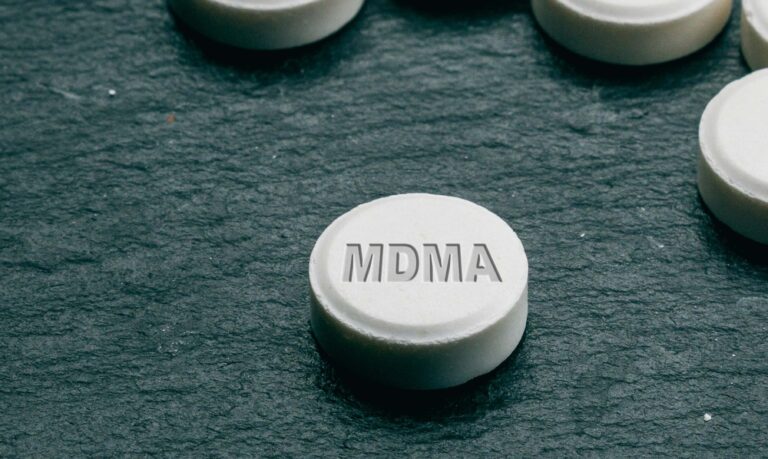
mdma written on a pill

Is MDMA Addictive?

Psychological Dependence vs Physical Dependence

MDMA does not typically produce the severe physical withdrawal syndrome associated with alcohol or opioids. However, it can lead to strong psychological dependence characterised by cravings, habitual compulsive use, and emotional regulation difficulties between uses.

Regular ecstasy use often results in tolerance, where users need larger or more frequent doses to achieve the same effects. This creates a cycle where mood and emotional regulation worsen when not using the psychoactive drug, leading to psychological symptoms including fatigue, depression, and anxiety for days after use.

Prevalence and Polydrug Use Risks

In 2022-23, approximately 0.9% of UK adults aged 16-59 reported past-year ecstasy use, with the highest rates (3.2%) among those aged 16-24. Despite relatively widespread use, MDMA is rarely reported as the primary drug in addiction treatment services—only 0.5% of treatment entries in England, Scotland, and Wales reported MDMA as the primary substance in 2018.

Many individuals who use ecstasy pills also use other substances including alcohol, cannabis, and stimulants. This polydrug use increases risks through drug interactions, greater neurotoxicity potential, and complications in treatment because interventions must address multiple substances and overlapping symptoms.

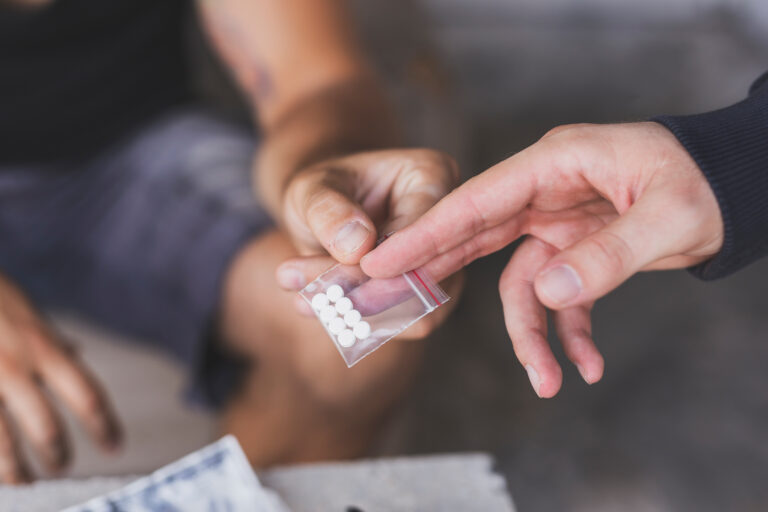
MDMA being bought

When Is Rehab Needed for MDMA Addiction?

Signs Professional Treatment May Be Needed

Recognising when ecstasy abuse has progressed beyond what you can manage alone is crucial. Several warning signs indicate that professional addiction treatment may be necessary.

Loss of control over MDMA use despite negative consequences suggests psychological dependence has developed. Using ecstasy to cope with emotions or mental health issues indicates a harmful self-medication pattern. Failed attempts to quit or reduce drug use independently often signal that professional support is essential.

Tolerance requiring higher doses for the same effects, along with neglecting responsibilities, relationships, or health for drug use, marks a serious stage of addiction. Experiencing depression, anxiety, or cognitive issues between uses further indicates that ecstasy rehab may be needed.

If you’ve experienced withdrawal symptoms when attempting to stop—including severe mood changes, irritability, sleep disturbances, or difficulty concentrating—your brain has adapted to regular MDMA exposure.

Risks of Continued MDMA Use

Prolonged ecstasy use carries significant risks that increase over time. Long-term serotonin depletion can lead to persistent mood disorders, depressive symptoms, and anxiety that may last months after cessation.

Cognitive impairment, particularly affecting memory and executive function, is associated with chronic MDMA use. Some deficits may persist for extended periods after stopping. Physical health risks include cardiovascular strain, overheating, dehydration, and neurological complications. The presence of adulterants in ecstasy pills creates additional unpredictable dangers.

Mental health deterioration frequently accompanies continued use. Studies indicate that up to 70% of people in substance use treatment have a co-occurring mental health disorder, creating complex challenges requiring integrated treatment. Social isolation, relationship breakdown, employment difficulties, and legal troubles compound these problems, making early intervention vital.

The MDMA Rehabilitation Treatment Process

Understanding what to expect during ecstasy rehab can help ease anxiety and prepare you for the steps ahead. This section outlines the key stages involved in treatment—from initial assessment and medically supervised support to comprehensive treatment and recovery planning.

The recovery journey begins with a comprehensive assessment conducted by experienced professionals. This evaluation examines your history of MDMA use, frequency and amount patterns, previous attempts to quit, and current physical and mental health status.

A thorough psychiatric evaluation identifies any co-occurring mental health conditions requiring attention. This information, combined with an assessment of your support networks and personal circumstances, forms the foundation of your treatment plan.

The admissions process includes verification of insurance coverage or discussion of self-funding options. Once a bed is available, admission can often happen quickly—sometimes the same day for urgent cases.

While less severe than with opioids or alcohol, the body does adapt to ketamine. Stopping suddenly can cause physical discomfort including sweating, tremors, and palpitations.

Though MDMA does not typically cause life-threatening physical withdrawal, early ecstasy recovery can be marked by severe mood symptoms including depression and anxiety, insomnia, and emotional dysregulation. These may require medical oversight from addiction specialists.

Medical professionals monitor for depression or suicidal thoughts, which is essential during this vulnerable period. Medication support may be provided for co-occurring mental health conditions when clinically appropriate. Physical health needs including sleep restoration, nutritional support, and hydration are addressed to support brain healing.

Treatment involves multiple therapeutic approaches working together. Individual therapy addresses triggers, distorted beliefs about MDMA, and develops coping strategies. Group therapy provides peer support and shared learning experiences. Family therapy helps repair relationships damaged during active addiction.

Recovery planning develops skills for maintaining sobriety and managing the psychological aspects of long term recovery. This comprehensive treatment approach addresses root causes rather than symptoms alone.

MDMA Detox and How It Works

MDMA detox differs from detoxification for substances like alcohol or opioids. The process is primarily psychological rather than involving classic physical withdrawal symptoms. The term refers to cessation of use and early stabilisation of mood, sleep, and cravings.

Timeline for Serotonin Recovery

Research indicates that recovery of serotonin systems can take significant time. Animal studies show restoration of serotonin transporter binding and related functions over eight weeks to one year, with some brain regions potentially taking longer or showing incomplete recovery.

In humans, mood crashes and depressed mood typically occur between one to three days after use, lasting up to a week or more. Further mood fluctuations can continue over subsequent weeks, with longer durations expected for heavier or more frequent users.

Managing Emotional Instability

Ecstasy withdrawal manifests primarily through psychological symptoms including depression, anxiety, irritability, and difficulty with concentration and memory. A safe, supportive environment with medical oversight helps manage these challenges.

Nutritional support plays an important role in recovery. Diets rich in tryptophan and proteins support neurotransmitter rebuilding. Restoring sleep-wake cycles helps stabilise mood and cognitive function. These foundational elements of physical health significantly impact emotional well being during early recovery.

Residential Rehab Treatment for MDMA Addiction

Treatment for Ketamine addiction starting at a rehab

Therapies Used in MDMA Rehab

Cognitive behavioural therapy is among the most effective evidence-based approaches for ecstasy addiction treatment. CBT works by identifying and changing the negative thought patterns that drive drug use.

Through therapy sessions, individuals learn to recognise triggers and develop alternative coping strategies for emotional regulation. As MDMA use often follows emotional dysregulation—using the drug to escape negative feelings—cognitive behavioural therapy CBT retrains coping skills and builds resilience.

The therapy develops healthy ways to manage depression and anxiety without substances, problem-solving skills, and strategies for managing stress. By addressing underlying mental health issues alongside addiction, CBT creates lasting change in how individuals respond to challenges.

Group therapy harnesses the power of shared experience in recovery. Hearing others’ stories and strategies reduces isolation and provides practical insights that individual therapy alone cannot offer.

Participation in small group sessions builds social skills and the ability to form healthy relationships—often damaged during active drug abuse. Group counselling prepares individuals for ongoing participation in support groups and peer networks after treatment ends.

The bonds formed in group therapy often extend beyond treatment, creating a sober social network that supports long term recovery and reduces risk of returning to previous social circles.

One-to-one therapy sessions provide space for deeply personal work that may not be appropriate for group settings. A dedicated therapist explores the specific root causes of your addiction, from trauma to relationship difficulties.

This personalised support addresses co-occurring mental health conditions that may require specialist intervention. Developing personalized relapse prevention strategies and working through shame, guilt, and relationship damage happens in this private therapeutic space.

Ecstasy rehab focuses on the whole person—physical, emotional health, and psychological wellbeing. Holistic therapies complement evidence-based treatments to support overall recovery.

Mindfulness and meditation develop emotional regulation and stress management skills. Art and music therapy provide creative outlets for processing difficult emotions. Physical fitness programmes boost natural mood chemicals and improve physical health damaged by drug use.

Nutritional therapy supports brain healing by providing nutrients needed for neurotransmitter production. Sleep hygiene and circadian rhythm restoration address the sleep disturbances common in MDMA recovery. These holistic treatments recognise that comprehensive treatment addresses multiple aspects of wellbeing.

How Long Does MDMA Rehab Last?

Our team includes experienced professionals with expertise in MDMA addiction treatment. All enquiries are treated with complete confidentiality and a non-judgmental approach. Assessment helps determine the most appropriate treatment options for your situation.

Short-Term Programmes

Programmes lasting 14-21 days focus on stabilisation and initial crisis intervention. These intensive but brief interventions suit individuals with time constraints, good social supports at home, or less severe addiction patterns.

Short-term treatment provides foundational coping strategies and prepares individuals for continued outpatient services. This approach offers an accessible entry point to professional help, emphasising immediate skill development and motivation building for ongoing recovery.

Aftercare meeting for addiction treatment

28-Day Residential Treatment

The 28-day programme represents the standard duration for comprehensive residential ecstasy addiction treatment. This timeframe allows for initial neurochemical stabilisation, intensive therapy, and meaningful skill development.

Four weeks provides sufficient time to establish healthy routines whilst developing coping strategies essential for maintaining sobriety. Many UK private drug and alcohol rehabilitation centres offer 28-day tailored programmes combining medical supervision with rehab therapies.

Extended Recovery Programmes

Programmes of 60-90 days benefit those with severe psychological dependence, co-occurring mental health disorders, trauma history, or multiple previous treatment attempts. Research demonstrates significantly higher success rates for extended programmes.

The additional time allows deeper therapeutic work addressing underlying trauma and mental health issues. For individuals whose addiction developed over many years or involves complex personal challenges, extended treatment provides the strongest foundation for lasting recovery.

Aftercare and Ongoing Recovery Support

Relapse Prevention Planning

Understanding that ecstasy relapse prevention requires specific strategies, comprehensive planning begins before leaving treatment. This includes identifying party culture triggers, social pressures, and high-risk situations specific to your life.

Concrete strategies for avoiding or managing these triggers form the core of your prevention plan. Emergency action plans establish exactly what to do if depression, cravings, or crisis arises. Techniques learned during treatment become lifelong tools for managing urges when they occur.

Building new social networks outside drug-using circles is essential. Many people return to environments where MDMA use was normalised, making deliberate construction of supportive relationships crucial for long term recovery.

Ongoing Therapy and Support Groups

Recovery doesn’t end when treatment finishes. Continued individual therapy maintains progress made during residential care, providing ongoing support through challenges and transitions back to daily life.

Participation in SMART Recovery, Narcotics Anonymous, or similar support groups connects you with a community sharing similar experiences. Family therapy continuation strengthens relationships repaired during treatment. Alumni groups keep connections active with others from your programme.

Long-Term Recovery Strategies

Building a new fulfilling life requires replacing party culture activities with meaningful alternatives. Classes, volunteering, and new interests create opportunities to build sober social networks and rediscover purpose neglected during addiction.

Healthy lifestyle habits—regular physical activity, proper nutrition, adequate sleep—support both brain recovery and emotional stability. Pursuing education, career advancement, or personal goals creates direction and meaning beyond simply avoiding drug use.

For those with co-occurring mental health conditions, ongoing management and medication compliance remain essential. Creating purpose and connection provides the foundation for change that extends far beyond abstinence.

Call for a Free Confidential Assessment

Get Help Now

Choosing the Right MDMA Rehab Programme

Factors to Consider When Choosing Treatment

Selecting the right ecstasy rehab programme requires honest assessment of several factors. The severity of psychological dependence and any mental health complications determines whether inpatient rehabilitation or outpatient ecstasy rehab is most appropriate.

Consider your history of failed quit attempts and previous treatment. Co-occurring disorders may require specialised care from facilities experienced in dual diagnosis treatment. Practical considerations include financial resources, insurance coverage, and how much time you can take away from work and family life.

Location preferences matter—some people benefit from treatment close to home whilst others need distance from familiar triggers. Investigate specific treatment approaches offered, ensuring they include evidence-based therapies proven effective for ecstasy addiction.

Private Rehab vs NHS Treatment Options

Private rehab offers advantages including significantly shorter waiting times—often immediate admission rather than weeks or months. Smaller group sizes allow more personalised support and individual attention. Many private facilities offer specific ecstasy addiction treatment programmes with experienced professionals.

NHS and community treatment options provide free access to counselling and mental health support services. However, these often involve longer waiting times and may have less capacity for residential stays. Outpatient programmes through NHS allow people to remain at home whilst attending regular structured therapy.

Private drug and alcohol rehab centres typically cost several thousand pounds for 28-day programmes, varying by location and amenities. Insurance may cover some treatment costs, and many facilities offer payment plans. The Royal College of Psychiatrists has noted that dual diagnosis treatment—addressing both substance use and mental health issues together—remains an important consideration, as services are not always well-integrated.

Getting Help for MDMA Addiction

Taking the first step toward recovery can feel overwhelming, but you don’t have to face this challenge alone. Recovery from ecstasy addiction is absolutely possible with proper support—thousands of people successfully overcome dependence each year and go on to live fulfilling, drug-free lives.

Speaking with addiction specialists provides clarity about treatment options and what to expect from the recovery journey. Professional support addresses the psychological aspects of MDMA addiction that make independent recovery difficult for many people.

All enquiries are treated with complete confidentiality and a non-judgmental approach. Free assessments help determine the most appropriate treatment for your situation, with no obligation to proceed.

If you’re ready to explore options and regain control of your life, contact our admissions team today. Professional support is available to guide you through every stage of the process toward emotional health and lasting recovery.

Frequently Asked Questions

How much does MDMA rehab cost?

MDMA rehab costs vary depending on programme duration, location, and amenities. UK private residential facilities typically charge between £8,000-£12,000 for 28-day programmes, though costs can be higher for luxury facilities or extended stays.

Private insurance may cover some or all treatment costs—verify your coverage before choosing a programme. Self-funding options and payment plans make treatment accessible for those without insurance. Factors affecting price include location, accommodation quality, staff-to-client ratios, and specialised services offered.

Outpatient ecstasy rehab through NHS or charitable services may have no direct cost, though indirect costs like travel and time away from work apply. Waiting times for NHS services are typically longer than private options.

Do I need detox for MDMA addiction?

Traditional medical detox focused on managing acute physiological withdrawal is less relevant for MDMA than for substances like alcohol or opioids. MDMA detox is primarily psychological—users experience severe mood symptoms, depression, anxiety, and sleep disturbances rather than dangerous physical withdrawal symptoms.

However, professional support during early recovery is valuable. Medical supervision helps manage depression or suicidal thoughts that can occur during this vulnerable period. Psychiatric evaluation may determine whether medication for co-occurring conditions is appropriate.

How long does ecstasy affect mood after stopping varies by individual. Nutritional restoration and sleep support are essential elements of early recovery, and professional guidance helps navigate the challenging emotional landscape of initial abstinence.

Is MDMA rehab confidential?

Complete confidentiality is guaranteed for all clients at reputable treatment facilities. Rehab centres in the UK, both private and NHS, are bound by confidentiality laws and medical ethics. Strict privacy policies protect personal information.

Details of your treatment are never shared without explicit consent except in genuine emergency situations. The admissions process is designed to be discreet, and many people complete treatment without colleagues or extended family ever knowing. Staff members receive training in maintaining confidentiality as a fundamental principle of care.

Can I get admitted to MDMA rehab quickly?

Immediate admissions are often possible at private facilities when beds are available. Many rehab centres offer same-day or next-day admission for urgent cases, recognising that motivation for treatment can be fleeting.

Initial assessment can be conducted quickly over the phone to expedite the process. For crisis situations requiring emergency intervention, arrangements can typically be made within hours. NHS and community services may have longer waiting times due to resource constraints.

Contact admissions teams directly to discuss your timeline and availability. Acting on motivation while it’s present makes a significant difference in beginning the recovery journey successfully.

Lorem ipsum dolor sit amet, consectetur adipiscing elit. Ut elit tellus, luctus nec ullamcorper mattis, pulvinar dapibus leo.