
Ketamine Rehab Treatment in the UK

Medically reviewed by

Call for a Free Confidential Assessment

Get Help Now
Ketamine Rehab Graphic

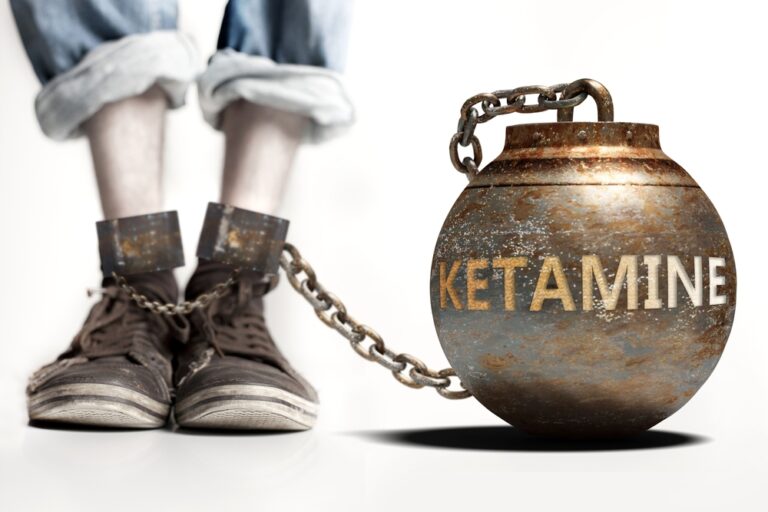
Ketamine addiction is treatable, and professional support significantly improves outcomes for those struggling with ketamine dependence. Whether you’re experiencing ketamine bladder symptoms, finding it impossible to control your ketamine use, or watching someone you care about deteriorate, specialist ketamine addiction treatment offers a clear path forward.

This guide explains what ketamine rehab involves, when professional treatment becomes necessary, and how to choose the right programme for your circumstances.

Quick Answer: What Is Ketamine Rehab?

Ketamine rehab is a structured treatment programme designed to help individuals overcome ketamine addiction and address the physical and psychological complications that develop with prolonged use. It combines medical assessment, detoxification where needed, evidence-based therapeutic interventions, and comprehensive aftercare planning.

A complete ketamine rehab programme addresses multiple dimensions of the condition. Medical detox and stabilisation allow the body to adjust safely whilst managing withdrawal symptoms. Therapeutic interventions tackle the psychological aspects of ketamine dependence, exploring why use began and what maintains it. Recovery support builds the skills and connections needed for long term recovery.

Treatment can be delivered through residential treatment, where clients stay at a ketamine rehab clinic for the duration of their programme, or through outpatient services that allow individuals to continue living at home whilst attending regular therapy sessions. The appropriate approach depends on addiction severity, physical health complications, and individual circumstances.

Unlike some substances, ketamine addiction creates significant physical health consequences alongside psychological dependence. Ketamine bladder syndrome, urinary tract damage, and kidney complications require medical oversight throughout treatment. Modern ketamine addiction treatment therefore integrates medical care with psychological therapy, ensuring both physical and mental health needs are addressed simultaneously.

Treatment admissions for ketamine use have increased 12-fold in the UK between 2015 and 2025, reflecting both rising problem use and growing recognition that professional help is essential for recovery.

When Is Rehab Needed for Ketamine Addiction?

Recognising when ketamine use has progressed beyond what you can manage independently is crucial. Several warning signs indicate that professional treatment may be necessary.

An inability to control ketamine use despite experiencing negative consequences suggests significant psychological dependence has developed. If you’ve noticed tolerance increasing and needing increasingly larger doses to achieve the same dissociative effects—your body has adapted to regular ketamine use in ways that typically worsen over time.

When ketamine begins affecting work performance, damaging relationships, or interfering with daily responsibilities, the addiction has reached a stage requiring intervention. Failed attempts to quit or reduce use independently often demonstrate that willpower alone is insufficient.

Many people use ketamine to cope with emotional pain, stress, or underlying mental health issues such as anxiety, depression, or trauma. This pattern of self-medication typically worsens both the substance dependence and the mental health condition, creating a cycle that requires specialist treatment to break.

Emerging physical symptoms—particularly urinary problems such as frequency, urgency, pain, or blood in urine—signal that ketamine is causing organ damage requiring immediate medical attention alongside addiction treatment.

Health Risks of Continued Ketamine Use

Prolonged ketamine misuse carries significant health risks that increase with continued use. Understanding these risks often motivates the decision to seek treatment.

Ketamine bladder syndrome represents one of the most serious physical complications. Chronic ketamine use causes inflammation and ulceration of the bladder lining, progressively reducing bladder capacity. Normal bladder capacity ranges from 400-900ml; heavy users have reported capacities as low as 10-150ml, causing severe bladder pain and requiring urination every few minutes. In serious cases, surgical intervention including bladder augmentation becomes necessary.

Urinary tract and kidney damage frequently accompanies bladder problems. Research following 81 UK patients with ketamine uropathy found that approximately 25% developed hydronephrosis, with some experiencing deteriorating kidney function requiring ongoing medical management.

Cognitive impairment develops with sustained ketamine use, affecting memory, concentration, and executive function. These cognitive effects can persist even after stopping use, though some recovery occurs with sustained abstinence.

Mental health deterioration commonly accompanies ketamine addiction, including increased depression, anxiety, paranoia, and emotional blunting. The relationship works both ways—mental health conditions often drive ketamine use, and ketamine use worsens mental health outcomes.

Additional physical complications include liver enzyme elevations, gastrointestinal problems, weight loss, and nutritional deficiencies that compound overall health decline.

Many of these harms worsen the longer use continues, and some physical damage may be partially or fully irreversible. Early intervention offers the best chance of recovery and healing.

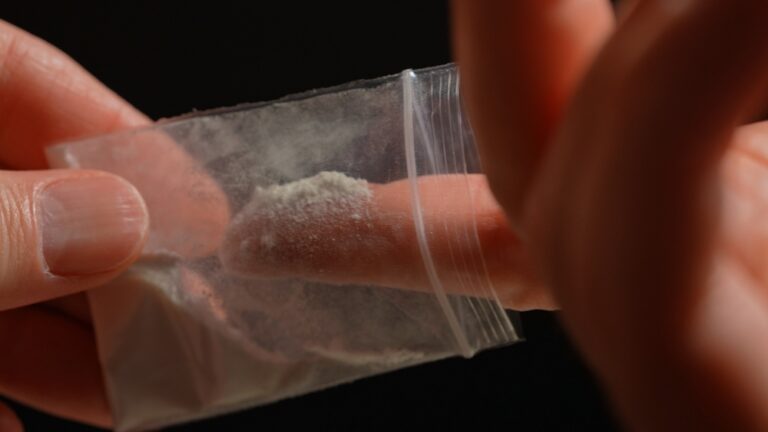
Misuse of Ketamine

The Ketamine Rehab Treatment Process

Understanding what to expect during ketamine rehab can ease anxiety and prepare you for the recovery journey ahead. Treatment follows a clear pathway: assessment → medical detox and stabilisation → therapy and rehabilitation → recovery planning and aftercare. Each phase plays a vital role, and detox alone is insufficient without addressing the psychological, physical, and social factors maintaining addiction.

The treatment process begins with a comprehensive assessment conducted by the clinical team. This evaluation examines your ketamine use history—including dose, frequency, route of administration, and any co-use of other substances.

Physical examination assesses current health status with particular attention to urological symptoms. Investigations may include bladder function tests, imaging, and blood tests checking liver and kidney function. A psychiatric evaluation identifies any co-occurring mental health conditions requiring attention.

Risk assessment, social circumstances review, and previous treatment history inform the development of your personalised treatment plan. Treatment should occur in a CQC-registered facility with appropriate medical oversight and qualified clinical staff.

The admissions process includes discussion of funding arrangements, whether through private health insurance or self-funding. Once assessment is complete and a bed is available, admission can often happen quickly—sometimes the same day for urgent cases.

Medical detox provides safe withdrawal management under clinical supervision. Although ketamine withdrawal is primarily psychological rather than physically dangerous like alcohol withdrawal, heavy users experience significant symptoms when stopping: intense cravings, anxiety, depression, sleep disturbance, and cognitive difficulties.

Physical stabilisation addresses dehydration, nutritional deficiencies, and sleep disruption. For those with bladder damage or other ketamine-related health complications, medical treatment begins during this phase, potentially including urological assessment and intervention.

Duration typically spans 3-7 days for initial physical stabilisation, though psychological symptoms may persist longer depending on the length and intensity of previous use. Throughout detox, 24/7 medical supervision ensures safety and comfort.

The therapeutic phase addresses why ketamine use developed and what maintains it. Evidence-based therapeutic interventions form the foundation of treatment.

Individual therapy explores the root causes of your ketamine dependence, from trauma and relationship difficulties to underlying mental health conditions. Group therapy provides peer support and reduces isolation whilst building social skills. Family therapy works to repair relationships damaged during active addiction.

Therapeutic approaches include cognitive behavioural therapy (CBT), dialectical behaviour therapy, and trauma-informed therapies where appropriate. Holistic therapies support overall physical and mental wellbeing.

This phase typically represents the majority of residential treatment time, with daily therapy sessions, group work, and structured activities building the skills needed for successful recovery.

Before discharge, comprehensive recovery planning establishes your strategy for maintaining sobriety. This includes identifying personal triggers, developing coping strategies, and creating emergency action plans for managing high-risk situations.

Arrangements for ongoing support—continued therapy, support groups, medical follow-ups for any ongoing physical complications—are finalised. Connection to community resources and alumni networks provides continued support after leaving treatment.

Medical Detox for Ketamine Addiction

Ketamine detox is the process of allowing the body to adjust to functioning without ketamine whilst managing withdrawal symptoms. Unlike alcohol or opioid withdrawal, ketamine withdrawal is not typically life-threatening, but it does produce significant psychological symptoms requiring professional support.

Medically supervised detox takes place in a controlled, ketamine-free environment with continuous monitoring by healthcare professionals. This setting removes access to ketamine and allows full focus on the physical process of becoming substance-free.

Detox is never recommended as standalone treatment. It serves as the essential first step that prepares body and mind for the therapeutic work of rehabilitation.

Managing Withdrawal Symptoms

Ketamine withdrawal symptoms are predominantly psychological rather than physical. Common experiences include:

Psychological symptoms such as intense cravings, anxiety, depression, irritability, and mood swings dominate the withdrawal process. Some individuals experience paranoia or disturbing thoughts.

Cognitive effects including difficulty concentrating, mental fog, and memory difficulties may persist beyond the acute withdrawal phase.

Sleep disturbances are common, with insomnia, vivid dreams, or disrupted sleep patterns affecting most individuals during early recovery.

Physical symptoms tend to be milder but may include fatigue, appetite changes, sweating, and general physical discomfort. Those with ketamine bladder may experience symptom fluctuation during this period.

Medical Support During Detox

Throughout the withdrawal process, qualified medical professionals provide 24/7 supervision and support. This includes:

Continuous monitoring of physical and mental health status with immediate intervention capability if complications arise. Medication management to reduce discomfort and manage symptoms such as anxiety, sleep disturbance, and mood changes.

Assessment and initial treatment of ketamine-related health complications, particularly bladder and urinary tract problems requiring urological input. Nutritional support addressing deficiencies common in frequent ketamine users.

Emotional support helps manage the psychological challenges of early withdrawal, with clinical staff available around the clock to provide reassurance and crisis intervention when needed.

Residential Rehab Treatment for Ketamine

Treatment for Ketamine addiction starting at a rehab

Therapies Used in Ketamine Rehab

Cognitive behavioural therapy CBT is among the most effective evidence-based approaches for ketamine addiction treatment. It works by identifying and changing the negative thought patterns that drive ketamine use.

Through CBT, individuals learn to recognise triggers and develop coping mechanisms for managing cravings without using. Techniques include urge surfing—observing cravings without acting on them—and cognitive restructuring to challenge thoughts that promote drug use.

The therapy addresses underlying mental health issues alongside addiction, treating the anxiety, depression, or trauma that often drives ketamine dependence. By developing healthy coping strategies and problem-solving skills, CBT creates lasting change in how individuals respond to challenges.

Qualified therapists with appropriate clinical supervision deliver CBT within the structured environment of the ketamine rehab programme.

Group therapy harnesses the power of shared experience in recovery. Hearing others’ stories and strategies reduces isolation and provides practical insights that individual therapy alone cannot offer.

Participation in small group sessions builds social skills and the ability to form healthy relationships—often damaged during active addiction. Many programmes incorporate 12-step facilitation, preparing individuals for ongoing participation in Narcotics Anonymous and similar support groups.

The bonds formed in group therapy often extend beyond treatment, creating a sober social network that supports long term recovery. Learning from peers who are slightly further along the recovery journey provides hope and practical guidance.

Individual therapy sessions provide space for deeply personal work that may not be appropriate for group settings. A dedicated key worker or therapist explores the specific root causes of your ketamine addiction, from childhood experiences to relationship difficulties.

This personalised support addresses individual needs and concerns, developing coping strategies tailored to your unique situation. Exploring the underlying issues that drove ketamine use allows meaningful change rather than simply removing the substance.

The therapeutic relationship built through individual therapy often continues after treatment ends, providing ongoing support during the transition to independent recovery.

A holistic approach recognises that addiction recovery involves the whole person—physical, emotional, and spiritual. Alternative therapies complement evidence-based treatments to support overall wellness.

Mindfulness and meditation practices develop emotional regulation and stress management skills, providing healthy alternatives to ketamine for managing difficult feelings. Art therapy and creative expression outlets offer ways to process experiences that words cannot capture.

Physical activity programmes boost mood naturally whilst improving physical health damaged by ketamine use. Nutritional counselling addresses dietary problems and supports overall recovery.

These holistic therapies reconnect individuals with sources of wellbeing beyond substances, building a foundation for emotional well being in recovery.

Content

How Long Does Ketamine Rehab Last?

Short-Term Programmes

Programmes lasting 7-14 days focus primarily on medically supervised detox and initial stabilisation. These intensive but brief interventions suit individuals with time constraints or less severe ketamine dependence.

Short-term treatment provides foundational recovery tools and prepares individuals for continued outpatient treatment. As a cost-effective option, it offers an accessible entry point to professional help, though success rates improve significantly with longer treatment duration.

Doctor helping with Rehab

28-Day Residential Treatment

The 28-day programme represents the standard duration for comprehensive residential treatment. This timeframe allows thorough treatment including medical detox, intensive therapy, and initial skill development.

Four weeks provides sufficient time to establish healthy routines and habits whilst developing the coping strategies essential for maintaining sobriety. The balance of therapeutic depth and practical feasibility makes this the most common programme length at private ketamine rehab facilities.

Long-Term Recovery Programmes

Extended programmes of 60-90 days benefit those with complex addiction cases, co-occurring mental health disorders, or multiple previous treatment attempts. Research shows significantly higher success rates for long-term programmes.

The additional time allows deeper therapeutic work addressing underlying trauma and psychological issues. For individuals whose frequent ketamine use developed over many years, extended treatment provides the strongest foundation for lasting recovery.

Aftercare and Ongoing Recovery Support

Relapse Prevention Planning

Comprehensive relapse prevention planning is essential before leaving ketamine rehab. Understanding personal triggers and high-risk situations specific to your life forms the foundation of sustainable recovery.

Concrete relapse prevention strategies for avoiding or managing triggers become part of your discharge plan. Emergency action plans establish exactly what to do if a crisis arises, ensuring you never feel overwhelmed without options.

Techniques learned during treatment such as, managing cravings, challenging unhelpful thoughts, reaching out for support become lifelong tools. Regular review and updating of strategies keeps your prevention plan relevant as circumstances change.

Ongoing Therapy and Support Groups

Recovery doesn’t end when treatment finishes. Continued individual therapy sessions maintain progress made during residential care, providing ongoing support through challenges.

Participation in Narcotics Anonymous or similar support groups connects you with a community sharing similar experiences. Family therapy continues strengthening relationships damaged during active addiction.

Alumni groups keep you connected to others from your treatment programme, providing peer support from those who understand your recovery journey. These connections often become crucial sources of support during difficult periods.

Long-Term Recovery Strategies

Building a new sober life requires replacing ketamine-centred activities with meaningful alternatives. Developing new interests, pursuing educational or career goals, and building sober social networks create purpose beyond simply avoiding drug use.

Healthy lifestyle habits—regular physical activity, proper nutrition, adequate sleep—support both physical recovery and emotional stability. For those with ketamine bladder or other physical complications, ongoing medical follow-up ensures continued healing.

Managing any co-occurring mental health conditions remains essential for sustained recovery. Creating meaning, connection, and purpose in life provides the foundation for lasting change and helps regain control of your life.

Call for a Free Confidential Assessment

Get Help Now

Choosing the Right Rehab Programme

Factors to Consider When Choosing Rehab

Selecting the right ketamine treatment programme requires honest assessment of several factors. The severity of your ketamine addiction and any medical complications—particularly bladder or urinary problems—determines whether inpatient ketamine rehab or outpatient treatment is most appropriate.

Practical considerations include how much time you can take away from work and family commitments, as well as your financial resources and insurance coverage. Location preferences may matter—some people benefit from treatment close to home, whilst others need distance from familiar triggers and drug-using networks.

Investigate the specific treatment options offered, ensuring they include evidence-based therapies with qualified staff. CQC registration and clear clinical governance indicate legitimate, regulated services. A free confidential assessment from potential providers can help clarify which programme best suits your needs.

Private Rehab vs NHS Treatment Options

Private ketamine rehab offers several advantages over NHS services, including significantly shorter waiting times—often immediate admission rather than weeks or months. Smaller group sizes allow more personalised support and individual attention to your specific situation.

Facilities typically offer comfortable accommodation and comprehensive amenities supporting the healing process. Medical specialists can address ketamine-related health complications alongside addiction treatment within an integrated programme.

However, these benefits come at a cost. Private ketamine rehab costs vary depending on factors like location, duration, and amenities—programmes typically start from several thousand pounds for short-term treatment, with comprehensive 28-day programmes costing £10,000 or more.

Private health insurance may cover some or all treatment costs—verify your coverage before choosing a programme. Self-funding options and payment plans make treatment accessible for those without insurance. NHS services provide free treatment but are predominantly outpatient, with limited residential availability and potentially longer waiting times.

Getting Help for Ketamine Addiction

Taking the first step toward recovery can feel overwhelming, but you don’t have to face ketamine dependence alone. Speaking with addiction specialists provides clarity about your options and what to expect from treatment.

All enquiries are treated with complete confidentiality and a non-judgmental approach. Free assessments help determine the most appropriate treatment options for your situation, with no obligation to proceed.

Overcoming ketamine addiction is absolutely possible with proper support. Thousands of people successfully break free from ketamine dependence each year and go on to live fulfilling, substance-free lives. The decision to seek help represents the most important first step on your recovery journey.

If you’re ready to explore your treatment options, contact our admissions team today. Professional support is available to guide you through every stage of the treatment process.

Frequently Asked Questions

How much does ketamine rehab cost?

Ketamine rehab cost varies significantly depending on programme duration, location, and services provided. Basic short-term programmes typically start around £3,000-4,000, with comprehensive 28-day residential programmes costing £10,000 or more.

Private health insurance may cover some or all treatment costs—verify your coverage before choosing a programme. Self-funding options and payment plans make treatment accessible for those without insurance. Factors affecting price include location, accommodation quality, staff-to-client ratios, medical services, and specialised treatments offered.

How long does ketamine detox take?

Most individuals complete ketamine detox within 3-7 days for initial physical stabilisation, though psychological withdrawal symptoms may persist longer. Duration varies depending on the severity of ketamine dependence and individual health factors.

A thorough medical assessment during admission determines the appropriate timeframe for your specific situation. Throughout detox, progress is monitored continuously, and support adjusts as needed based on your response.

Is ketamine rehab confidential?

Complete confidentiality is guaranteed for all clients at reputable treatment facilities. Strict privacy policies protect personal information, and details of your treatment are never shared without explicit consent except in genuine emergency situations.

The admissions process is designed to be discreet, and many people complete treatment without colleagues or extended family knowing. Staff members are trained in maintaining confidentiality as a fundamental principle of care.

How safe is ketamine detox?

Under medical supervision, ketamine detox is safe. Unlike alcohol or benzodiazepine withdrawal, ketamine withdrawal is not associated with life-threatening physical complications such as seizures.

However, psychological symptoms can be severe, and those with ketamine bladder or other physical complications require medical monitoring throughout. Qualified healthcare professionals provide 24/7 oversight, ensuring immediate intervention capability if needed. The controlled environment minimises risks and maximises comfort during the withdrawal process.

What recovery support is available after treatment?

Comprehensive aftercare supports long term recovery after leaving ketamine rehab. Options include continued individual therapy sessions, connection to support groups such as Narcotics Anonymous, and alumni programmes maintaining links with your treatment centre.

Family therapy helps repair relationships and builds your support network. Medical follow-up addresses any ongoing physical complications, particularly urological issues. Community resources and peer networks provide ongoing support throughout your recovery journey, helping prevent relapse and supporting sustained wellbeing.