Constricted (pinpoint) pupils, even in low light conditions
Drowsiness, frequent nodding off, or sedation during conversations
Track marks, bruises, or infections at injection sites
Unexplained weight loss and poor nutrition
Constipation and severe digestive issues
Flu-like symptoms such as sweating, chills, and muscle aches when opioids are unavailable (withdrawal symptoms)
Slow or shallow breathing, which can be life-threatening in overdose situations
Poor hygiene and general physical neglect
Frequent nosebleeds or nasal irritation if opioids are snorted
Opioid Addiction
Medically reviewed by

Dr Olalekan Otulana

Opioid addiction has become one of the most devastating public health crises worldwide, claiming over 100,000 lives annually, including thousands in the United Kingdom, through drug overdose deaths. What often begins as legitimate treatment for acute or chronic pain can rapidly spiral into a life-threatening dependency that affects every aspect of a person’s existence.
This guide provides comprehensive information about opioid use disorder: how it develops, the warning signs to recognise, the physical toll it takes on your body, and most importantly, how to regain control of your life through effective treatment options, such as rehab for Opioids.
Quick answer: can opioids cause addiction?
Yes, opioids can cause addiction, even when taken exactly as prescribed by health professionals. The way opioids affect the brain’s reward system creates a clear pathway from legitimate pain relief to compulsive drug use that defines opioid use disorder.
Opioid addiction—clinically termed opioid use disorder according to the Diagnostic and Statistical Manual of Mental Disorders—means losing control over your use, continuing to take the drug despite obvious harm, and finding it increasingly difficult to function without it. Here’s what you need to know:
Tolerance develops rapidly. Regular opioid use causes the brain to adapt, requiring progressively higher doses to achieve the same pain relief or euphoric effects. What started as one pill every six hours may escalate to multiple pills every few hours within weeks.
Physical dependence dominates. Unlike some other substances, opioid withdrawal symptoms are intensely physical—severe body aches, nausea, diarrhea, and flu-like symptoms drive continued use even when someone desperately wants to stop.
Prescription use for 5+ days significantly increases your risk of developing long-term dependence, with research showing that even short courses of prescription opioids can initiate the pathway to addiction.
Early signs are reversible. If you notice you’re taking extra doses, running out of prescriptions early, or seeking multiple doctors, these warning signs can still be addressed before severe health damage or overdose occurs.
The earlier you recognise problematic patterns, the better your chances of avoiding overdose, organ damage, and the devastating social consequences of untreated opioid use disorder.

What are opioids, and why do people become addicted?
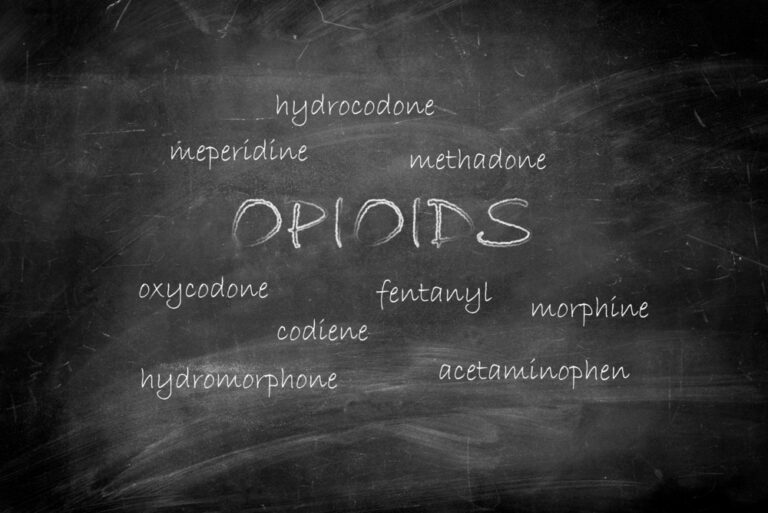
Opioids are a class of powerful pain medications that include natural substances derived from the opium poppy, semi-synthetic compounds, and fully synthetic opioids created in laboratories. These drugs bind to opioid receptors throughout the brain and body to modulate pain signals, breathing, and intestinal function.
The medical use of opioids serves legitimate purposes: managing severe pain following surgery, treating acute pain from injuries, addressing cancer-related pain, and providing comfort in palliative and end-of-life care. However, the same mechanisms that make opioids effective for pain relief also make them highly addictive:
Dopamine flooding: Opioids trigger massive releases of dopamine in the brain’s reward centres, creating intense feelings of euphoria and wellbeing far beyond what natural activities can produce.
Pain elimination and relaxation: Users experience complete relief from both physical and emotional pain, making the drug feel essential for coping with life’s challenges.
Rapid reinforcement: The brain quickly learns to associate opioid use with pleasure, creating powerful cravings that override rational decision-making.
Endorphin suppression: Regular use causes the brain to reduce its natural endorphin production, meaning users feel unable to experience pleasure or manage pain without the drug.
Short duration of action: Many opioids wear off within hours, requiring repeated dosing that accelerates tolerance and dependence.
The critical difference lies in context. Controlled medical dosing involves careful monitoring by healthcare providers who adjust doses, watch for warning signs, and limit treatment duration. Uncontrolled use—whether taking more than prescribed, obtaining opioids without a prescription, or using illicit drugs—dramatically increases addiction risk.
Common prescription opioids and street forms
Prescription opioids appear as tablets, capsules, patches, liquid solutions, and injectable formulations. Common prescription opioid medicines include oxycodone (OxyContin, Percocet), hydrocodone (Vicodin), morphine, fentanyl patches, codeine, and tramadol.
Common street names include: oxys, percs, blues, M30s, China white, H, smack, dope, horse, and junk. Names vary by region and drug type.
Routes of administration include swallowing pills as intended, crushing and snorting, smoking, and intravenous injection. Each route carries different risks, with injection posing the highest danger for infections and overdose.
Street drugs are frequently contaminated with illicitly manufactured fentanyl, a synthetic opioid 50-100 times more potent than morphine. This contamination has driven the dramatic increase in overdose deaths, as users cannot know the potency of what they’re consuming.

How Opioid Addiction develops
Not everyone who takes opioids becomes addicted. Many people use prescription opioids for acute pain and stop without problems. However, certain risk factors—including family history of addiction, mental health conditions, environmental factors, and duration of use—significantly increase vulnerability to opioid use disorder.
Tolerance
With regular opioid use, nerve cells in the brain adapt to the drug’s presence. Users need higher or more frequent doses to achieve the same pain relief or euphoric effects. This tolerance often develops within days to weeks of consistent use, with prescribed doses no longer providing adequate relief.
Physical dependence
Physical dependence occurs when the body requires opioids to function normally. Without the drug, users experience intense withdrawal symptoms including severe muscle aches, nausea, vomiting, diarrhea, and profound discomfort. This dependence can develop even with prescribed use under medical supervision and is distinct from addiction—though it often leads there.
.
Psychological dependence
Beyond physical need, psychological dependence involves emotional reliance on opioids to cope with stress, anxiety, depression, or trauma. Users become unable to imagine managing life without the drug, spending increasing amounts of time thinking about obtaining and using opioids, and experiencing intense distress when supply is uncertain.
Escalation patterns
A common progression involves someone prescribed opioids for legitimate pain who develops tolerance, begins taking extra doses, seeks multiple prescriptions through “doctor shopping,” and eventually turns to street drugs like heroin when prescriptions become unavailable. The shift often occurs because illicit opioids are cheaper and more accessible than prescription opioids obtained illegally.
Brain changes and Mental Health
Opioids work by flooding dopamine receptors in the brain’s reward circuitry, particularly the nucleus accumbens. Over time, natural endorphin production decreases dramatically, and the brain’s reward pathways become rewired to prioritise drug-seeking above all other activities.
With repeated use, these circuits fundamentally change:
Memory, decision-making, and impulse control become impaired, making it harder to resist cravings or plan for the future
Chronic opioid misuse is linked to worsening depression and anxiety, as the brain loses its ability to generate natural pleasure
Cognitive deficits including concentration problems and slowed thinking can persist for months after stopping
Mental health conditions often worsen, creating a cycle where users self-medicate emotional pain with opioids
In practical terms: you might find yourself unable to experience joy without opioids, thinking constantly about your next dose, and struggling to function in daily life without the drug to smooth things over.
Signs and Symptoms of Opioid Addiction
Opioid addiction manifests through a cluster of physical, psychological, and behavioural changes. Many of these signs overlap with other substance use disorders, but some—particularly the characteristic withdrawal syndrome and physical effects—are distinctively associated with opioid dependence.
Physical signs
Psychological signs
Behavioural signs
Physical signs
Psychological signs
Intense cravings for opioids despite understanding negative consequences
Anxiety, depression, and irritability when not using opioids
Mood swings and emotional instability
Difficulty concentrating or making decisions
Preoccupation with obtaining and using opioids
Denial or minimisation of the severity of opioid use
Using opioids to cope with stress, trauma, or emotional pain
Social withdrawal and loss of interest in previously enjoyed activities
Persistent use despite worsening mental health or personal problems
Feelings of hopelessness or helplessness related to opioid use
Behavioural signs
Increased secrecy or lying about opioid use and whereabouts
Neglecting responsibilities at work, school, or home
Social withdrawal from family and friends, preferring isolation
Sudden changes in social circles, often associating with others who misuse drugs
Engaging in risky or illegal activities to obtain opioids, such as stealing or doctor shopping
Frequent requests for opioids or medication refills before prescriptions run out
Loss of interest in hobbies and activities once enjoyed
Mood swings, irritability, and agitation, especially when unable to access opioids
Poor decision-making and impaired judgment related to drug use
Financial problems due to spending money on opioids or related activities
Difficulty controlling or reducing opioid use despite wanting to stop
Repeated unsuccessful attempts to quit or cut down opioid use
Using opioids in dangerous situations, such as before driving or operating machinery
Neglect of personal appearance and hygiene as addiction progresses
Severity markers suggest addiction has taken firm hold:
Taking opioids every few hours throughout the day and night
Needing opioids immediately upon waking to avoid withdrawal symptoms
Multiple unsuccessful attempts to cut down or stop
Continuing use despite serious health consequences or near-overdose experiences
Example pattern: A typical progression might look like this—post-surgical opioid prescription extends beyond the intended two weeks, then doses increase as tolerance builds, then the person starts obtaining extra pills from friends or family, then purchases street drugs when prescriptions end, escalating until daily use becomes necessary just to feel normal.

Short-term effects vs. warning signs
Understanding the difference between expected drug effects and early addiction warning signs helps with intervention and harm reduction.
Short-term effects (expected with opioid use):
Pain relief and reduced sensitivity to discomfort
Drowsiness and sedation
Euphoria or feelings of wellbeing
Constipation and slowed digestion
Nausea, especially with initial doses
Constricted pupils
Effects typically last 4-6 hours depending on the specific drug
Warning signs (indicating problematic use):
Taking more medication than prescribed or more frequently
Running out of prescriptions early and seeking refills
Visiting multiple doctors to obtain prescriptions
Stealing medications from family or friends
Lying about pain levels to obtain more opioids
Experiencing strong cravings between doses
Friends or family expressing concern about your use
Early recognition of these patterns allows for intervention before overdose, infections, or other severe health damage occurs.
Health risks of Long-Term Opioid Misuse
Heavy or prolonged opioid use damages multiple organ systems and creates problems that persist even after stopping. The risk of overdose remains constant, but opioids also carry distinctive chronic health consequences that compound over time.

Respiratory system
Chronic respiratory depression is the hallmark danger of opioid misuse. Opioids suppress the brainstem’s breathing centres, causing:
Slow breathing that deprives the body of adequate oxygen
Increased risk of pneumonia and respiratory infections
Sleep apnea and breathing difficulties during sleep
In severe cases, respiratory arrest leading to death or brain damage
Cardiovascular system
Cardiovascular complications multiply with injection drug use but affect all users:
Infectious endocarditis (heart valve infections) from bacteria entering the bloodstream
Collapsed veins and chronic venous insufficiency
Blood clots and low blood pressure episodes
Irregular heart rhythms and increased cardiac arrest risk
Brain and mental health
Long-term opioid use profoundly impacts brain function and mental health:
Persistent memory problems and cognitive impairment
Hormonal imbalances affecting mood, energy, and sexual function
Worsening depression and anxiety disorders
Significantly increased suicide risk, particularly during early recovery
Immune system and infections
Opioids suppress immune function while injection practices introduce direct infection risks:
HIV and Hepatitis C transmission through shared needles
Skin abscesses, cellulitis, and soft tissue infections
Sepsis from bacteria entering the bloodstream
Bone infections and osteomyelitis
Social and safety harms
As opioid addiction progresses, social consequences multiply:
Increased accident risk from impaired coordination and sedative effects
Job loss from impaired performance or failed drug tests
Financial devastation from spending on drugs
Relationship breakdowns and family disruption
Legal consequences from drug-related offences
Criminal behaviour to obtain drugs or money
Opioid overdose, mixing drugs, and respiratory depression
Opioid overdose is a leading cause of accidental death, with drug overdoses claiming more lives than car accidents in many countries. The risk of overdose multiplies dramatically when opioids are combined with other substances, and illicitly manufactured fentanyl has made every use of street drugs potentially fatal.
Overdose signs and emergency response
Recognising opioid overdose can save lives. Signs include:
Extremely slow, shallow, or stopped breathing
Blue or grey lips, fingernails, and skin
Cold, clammy skin
Complete unresponsiveness—won’t wake to voice or touch
Gurgling or choking sounds
Weak or absent pulse
If someone shows these signs:
Call emergency services immediately (999/112/911)
Administer naloxone (Narcan) if available—it reverses opioid effects
Perform rescue breathing if trained
Place them in the recovery position if unconscious but breathing
Stay with them until emergency services arrive
Be honest with paramedics about substances taken
Dangerous drug combinations
Mixing opioids with other drugs is extremely dangerous:
Opioids with alcohol dramatically increases respiratory depression and overdose risk
Benzodiazepines and opioids is an often-fatal combination involved in a significant percentage of overdose deaths
Sleep medications and muscle relaxants compound the sedative effects on breathing
Even prescribed combinations can be dangerous when not carefully monitored by health professionals
Fentanyl and contaminated drug supply
Illicitly manufactured fentanyl has transformed the overdose crisis:
Fentanyl is 50-100 times stronger than morphine
A dose the size of a few grains of salt can be fatal
It’s frequently mixed into heroin, counterfeit pills, and other drugs without user knowledge
Fentanyl test strips can detect its presence but aren’t foolproof
Synthetic opioids now cause the majority of drug overdose deaths
The unpredictable potency of street drugs means every use carries life-threatening risk. What didn’t cause overdose yesterday might be fatal today.
Opioid Withdrawal and coming off Opioids
Opioid withdrawal is physically and emotionally challenging, often described as the worst flu imaginable combined with profound psychological distress. Unlike withdrawal from alcohol or benzodiazepines, opioid withdrawal symptoms are rarely life threatening—but they are so severe that they drive many people back to drug use, making medically supervised withdrawal crucial for success.
Common withdrawal symptoms include:
Severe muscle aches, joint pain, and cramping
Nausea, vomiting, and diarrhea
Intense, overwhelming cravings for opioids
Severe anxiety, depression, and irritability
Insomnia and restless leg syndrome
Runny nose, excessive tearing, and goosebumps
Hot and cold flashes with profuse sweating
Timeline: Symptoms typically begin 6-24 hours after the last dose (depending on which opioid was used) and peak around 2-4 days. The acute phase lasts 1-2 weeks, but post-acute withdrawal symptoms—including cravings, mood disturbances, and sleep problems—can persist for months.
While not usually life-threatening, opioid withdrawal can lead to dangerous dehydration from vomiting and diarrhea, and the intense discomfort drives relapse that carries high overdose risk due to reduced tolerance.
Seek medical advice before stopping if:
You’ve been using opioids daily for more than a few weeks
You’re also using other substances like alcohol or benzodiazepines
You have significant mental health conditions
Previous quit attempts have led to severe symptoms or relapse
Medications including buprenorphine and methadone can prevent withdrawal symptoms entirely while transitioning to longer-term treatment, dramatically improving comfort and success rates.
Post-acute withdrawal vs. acute withdrawal
It’s important to differentiate between acute withdrawal and post-acute withdrawal syndrome (PAWS), as they require different treatments.
Acute withdrawal:
Severe physical symptoms dominating the experience
Intense nausea, vomiting, diarrhea, and body aches
Typically lasts 1-2 weeks
Managed with medications and supportive care
Most dangerous period for relapse due to discomfort
Post-acute withdrawal:
Lingering psychological symptoms after physical stabilisation
Persistent cravings, mood swings, and sleep disturbances
Can last weeks to months
Requires ongoing therapy and support
Addressed through counselling, support groups, and sometimes continued medication
Getting help for Opioid Addiction
Recovery from opioid addiction is absolutely possible. Medication-assisted treatment using FDA-approved medications dramatically improves success rates, reducing overdose deaths by 50-70% compared to abstinence-only approaches. The earlier you seek treatment, the better your chances of avoiding permanent health damage.
First steps to getting help:
Talk to your doctor about your opioid use. They can assess your situation, discuss treatment options, and connect you with addiction medicine specialists.
Contact local drug and alcohol services. These services through the Mental Health Services Administration and local health departments are often free and confidential.
Call a confidential helpline. SAMHSA’s National Helpline (1-800-662-4357) provides 24/7 support and referrals.
Consider naloxone training. Learning to reverse overdoses can save your life or someone else’s while you seek treatment.
Common treatment approaches include:
Treatment Type | Description |
|---|---|
Medication-assisted treatment | Methadone, buprenorphine, or naltrexone combined with counselling—most effective approach |
Inpatient detoxification | Medically supervised withdrawal in hospital or treatment facility |
Residential rehabilitation | Intensive treatment away from triggers—helpful for severe addiction |
Outpatient programmes | Regular sessions while living at home—suits people with strong support |
Cognitive behavioural therapy | Identifies triggers and develops coping strategies |
Peer support programmes | 12-step and other group support for ongoing recovery |
Medication-assisted treatment represents the gold standard for opioid use disorder. These FDA-approved medications work on the same opioid receptors as drugs of abuse but in controlled ways:
Methadone: Full opioid agonist that prevents withdrawal symptoms and cravings, dispensed through specialised clinics
Buprenorphine: Partial agonist that reduces cravings without full euphoric effects, can be prescribed by certified providers
Naltrexone: Opioid antagonist that blocks effects entirely, available as daily pills or monthly injection
Combined with counselling and support, these medications dramatically reduce overdose risk, improve treatment retention, and help people rebuild their lives.
Involve trusted people. Where safe and appropriate, bringing in family members or close friends provides crucial support and accountability throughout recovery. Many treatment programmes offer family therapy and education.
Taking the first step is often the hardest part. Whether that’s making a phone call, booking a doctor’s appointment, or simply telling someone you trust—it’s worth it.
Key Takeaways
Opioid addiction develops through rapid tolerance and intense physical dependence, even with prescribed use
Health consequences—particularly overdose risk—can be severe and life threatening
Illicitly manufactured fentanyl makes street drugs unpredictably dangerous
Withdrawal requires medical support for safety, comfort, and success
Medication-assisted treatment dramatically improves recovery outcomes
Recovery is possible, and early intervention significantly improves prognosis
Harm reduction strategies can save lives for those not yet ready to stop
If you’re concerned about your opioid use—or someone else’s—the most important thing is to take action. Talk to a healthcare professional, contact drug treatment services, or reach out to a helpline. You don’t have to figure this out alone, and effective treatment is available.