Frequent sniffles, nosebleeds, or nasal damage from snorting
Bladder pain, urinary urgency, needing to urinate frequently (even at night)
Abdominal pain and cramping, particularly upper abdominal discomfort
Weight loss from reduced appetite
Poor coordination and balance
Lingering confusion, brain fog, or difficulty concentrating the day after use
Ketamine Addiction
Medically reviewed by

Dr Olalekan Otulana

Ketamine addiction is a growing concern as recreational use continues to rise in club scenes, festivals, and private settings. Once primarily known as a veterinary medicine and surgical anaesthetic, ketamine has gained popularity for its intense dissociative effects—and with that popularity comes a wave of people struggling with compulsive use, escalating doses, and serious health consequences.
This guide breaks down everything you need to know about ketamine addiction: how it develops, the warning signs, the physical toll it takes on your body, and most importantly, how to get help if you or someone you care about is affected. Including ketamine rehab options
Quick answer: can ketamine cause addiction?
Yes, ketamine can cause addiction. While addiction is rare at carefully monitored medical doses (such as those used for treatment resistant depression), frequent high-dose recreational use creates a clear pathway to ketamine dependence and compulsive behaviour.
Ketamine addiction, clinically termed ketamine use disorder—means losing control over your use, continuing to take the drug despite obvious harm, and finding it increasingly difficult to function without it. Here’s what you need to know:
Tolerance develops rapidly. Regular ketamine users often find they need progressively larger doses to achieve the same dissociative or euphoric effects. What started as 50mg might escalate to 150mg or more within weeks to months.
Psychological dependence dominates. Unlike opioids or alcohol, ketamine withdrawal is primarily psychological—but that doesn’t make it easier. Cravings, anxiety, and an inability to cope without the drug can be overwhelming.
Daily use over weeks to months significantly increases your risk of developing a full-blown addiction, with some users reporting dependence after just a few months of regular consumption.
Early signs are reversible. If you notice you’re increasing your dose, using more often, or experiencing strong cravings, these warning signs can still be addressed before severe bladder, liver, or mental health damage occurs.
The earlier you recognise problematic patterns, the better your chances of avoiding long-term consequences.
What is Ketamine, and why do people misuse it?
Ketamine is a dissociative anaesthetic first developed in the 1960s as a safer alternative to phencyclidine (PCP). Today, it’s listed among essential medicines by the World Health Organisation and is used legitimately in both human and veterinary medicine for anaesthesia, acute pain management, and, more recently, for rapidly relieving depression in clinical settings.
Medical grade ketamine administered intravenously or via nasal spray (esketamine/Spravato) has shown remarkable results for severe depression and treatment resistant depression when other medications have failed. However, the effects of ketamine that make it therapeutically useful also make it appealing for recreational misuse:
Dissociation and detachment: Users describe feeling separated from their body and surroundings, which some find relaxing or escapist.
Euphoria and mood lift: Ketamine produces a rapid onset of pleasurable feelings through its action on dopamine and glutamate systems.
Altered perception: Distorted sounds, visuals, and sense of time create a “trippy” experience many find intriguing.
The “K-hole”: At high doses, users experience profound dissociation—complete detachment from reality, out-of-body sensations, and sometimes intense, dream-like visions.
Short duration: Effects typically last 30-60 minutes, making it convenient for party settings.
The critical difference lies in context. Controlled clinical dosing involves intermittent, carefully measured amounts under healthcare professionals’ supervision. Recreational ketamine use involves unregulated doses in clubs, parties, or at home, often escalating in frequency and amount as tolerance builds.
Street forms and slang names
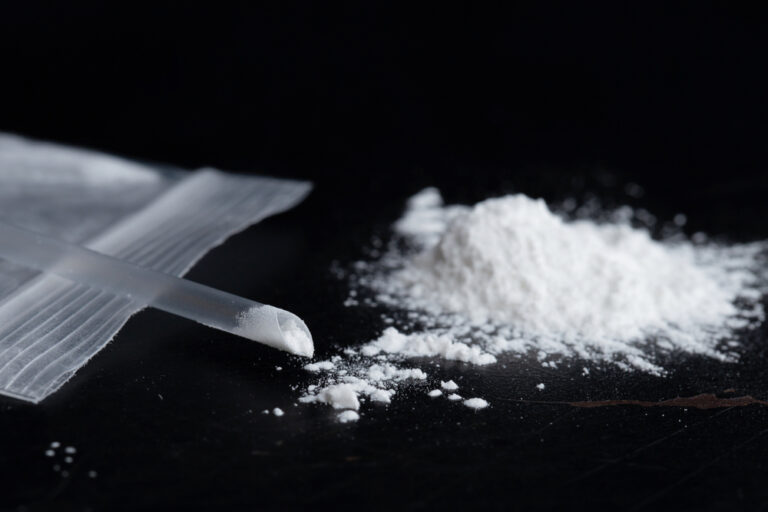
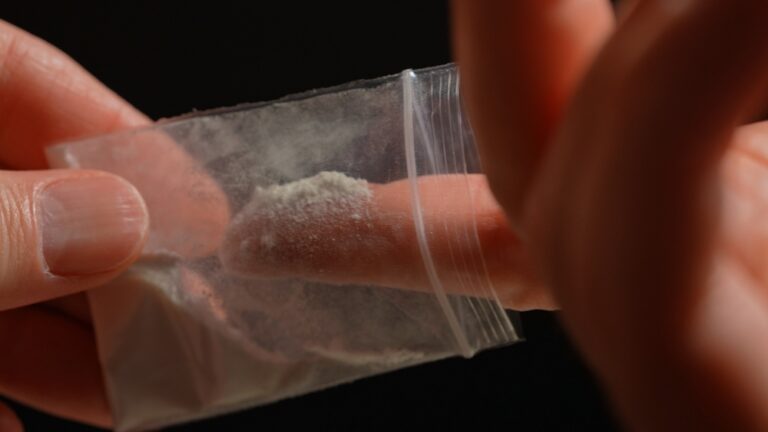
Typically appears as a white or off-white crystalline powder; sometimes pressed into tablets or dissolved into liquid for intravenous injection or intramuscular use
Common street names include: K, ket, Special K, kitkat, super K, vitamin K, cat valium, horse tranquiliser, and jet. Names vary by region and social scene
The most common route of administration is snorting (insufflation), but users also swallow it, inject it, or smoke it mixed with cannabis or tobacco.
Street ketamine often has unknown purity and may contain cutting agents or adulterants (including fentanyl in some markets), significantly increasing overdose risk and unpredictable adverse effects
How ketamine addiction develops
Not everyone who tries ketamine becomes addicted. Many people use it occasionally without developing problems. However, repeated high-dose use can fundamentally rewire the brain’s reward pathways, making the transition from casual experimentation to compulsive use faster than most people expect.
Tolerance
With regular ketamine use, the brain adapts to the drug’s presence. Users need higher or more frequent doses to achieve the same dissociative or euphoric effects. This often develops over weeks to months of consistent use, with recreational doses escalating from typical amounts (50-100mg) to 125mg or more per session.
Physical dependence
While less severe than with opioids or alcohol, the body does adapt to ketamine. Stopping suddenly can cause physical discomfort including sweating, tremors, and palpitations.
Psychological dependence
This is where ketamine addiction really takes hold. The mind comes to rely on the drug for relaxation, emotional regulation, or escape. Without it, users feel anxious, irritable, and unable to cope—driving compulsive use.
Binge patterns
Ketamine’s rapid, intense effects encourage redosing multiple times in a session. What starts as a single weekend line can evolve into hours-long binges, then daily use as the person chases that initial experience.
Self-medication trap
Using ketamine to manage depression, anxiety, or trauma increases addiction risk substantially. While it may provide short-term relief, uncontrolled use typically worsens the underlying condition over time.
Continuing despite consequences
A hallmark of addiction is using despite obvious harm—bladder pain, memory problems, relationship breakdown, financial strain, or legal troubles. The person recognises the damage but feels unable to stop.
Brain Changes and Mental Health
Ketamine blocks NMDA receptors in the central nervous system, disrupting normal glutamate signalling. This is what produces dissociative anesthesia in medical settings and the “disconnected” feeling recreational users seek. But it also affects dopamine pathways involved in reward, motivation, and pleasure.
With repeated high-dose use, these circuits begin to change:
Memory, decision-making, and impulse control can all become impaired, making it harder to resist cravings or plan for the future
Chronic ketamine misuse is linked to increased dissociation, paranoia, hallucinations, and psychotic-like symptoms—especially in people already vulnerable to mental health conditions
Cognitive deficits including brain fog, difficulty finding words, and slower processing can persist for months after stopping
While low-dose medical ketamine may rapidly relieve depression short-term, uncontrolled recreational use often worsens mood swings, anxiety, and depressive symptoms over time
In practical terms: you might find yourself thinking slower, feeling detached even when sober, and struggling to manage daily life without ketamine to smooth things over.
Signs and Symptoms of Ketamine Addiction
Ketamine addiction manifests through a cluster of physical, psychological, and behavioural changes. Many of these signs overlap with other substance use disorders, but some, particularly bladder symptoms are distinctively associated with chronic ketamine use.
Physical signs
Psychological signs
Behavioural signs
Physical signs
Psychological signs
Strong craving for ketamine, especially in social situations or during stress
Feeling unable to relax, socialise, or have fun without using
Memory gaps or difficulty recalling events during or after use
Increased dissociation—feeling detached or unreal even when not using
Heightened anxiety, paranoia, or mood instability
Behavioural signs
Using ketamine alone, at work, or during inappropriate times
Hiding use from friends, family, or partners
Neglecting responsibilities—missing work, falling behind on bills, withdrawing from commitments
Continuing to use despite obvious health problems, relationship strain, or financial consequences
Spending significant time obtaining, using, or recovering from ketamine
Severity markers suggest addiction has taken firm hold:
Daily or near-daily use
Needing ketamine immediately upon waking
Repeated unsuccessful attempts to cut down or stop
Using the drug regularly despite experiencing bladder pain or other serious symptoms
Example pattern: A typical progression might look like this—weekend use at clubs becomes Friday-through-Sunday use, then extends to midweek “to unwind,” then becomes daily because the comedown feels unbearable without another dose.

Short-term effects vs. warning signs
Understanding the difference between expected drug effects and early addiction warning signs helps with harm reduction and early intervention.
Short-term effects (expected with ketamine use):
Dissociation and feeling detached from body and surroundings
Distorted sense of time and space
Floating or weightless sensations
Visual and auditory hallucinations at higher doses
Impaired coordination and difficulty walking
Nausea or vomiting
Effects typically wear off within an hour, but cognitive effects can linger up to 24 hours
Warning signs (indicating problematic use):
Needing to redose several times in a single session to maintain effects
Difficulty remembering what happened during or after use (more than occasional)
Using in increasingly risky situations—driving, alone at home, with strangers
Ignoring or dismissing previous bad experiences (K-holes, bladder pain, embarrassing incidents)
Experiencing cravings between use sessions
Friends or family expressing concern about your use
Early recognition of these patterns allows for harm reduction and intervention before severe bladder, liver, or mental health damage develops.
Health risks of Long-Term Ketamine Misuse
Heavy or prolonged ketamine use can damage multiple organ systems and cause problems that persist even after stopping. Unlike many party drugs where the main risk is overdose, ketamine carries a distinctive set of chronic health consequences—particularly to the urinary system.

Bladder and urinary tract damage is the signature injury of chronic ketamine misuse. Ketamine induced uropathy (often called ketamine bladder syndrome) affects up to 30% of heavy users. The drug and its metabolites directly irritate and inflame the bladder lining, causing:
Severe urinary urgency—some users report needing to urinate 60+ times daily
Bladder pain that can be excruciating
Incontinence and inability to hold urine
Blood in urine
In severe cases, the bladder can shrink to the size of a golf ball, potentially requiring surgical removal and lifelong catheterisation
Kidneys can be affected as chronic bladder inflammation and repeated infections spread upward through the urinary tract. This can lead to kidney pain, recurring infections, and in severe cases, impaired kidney function.
Liver and gastrointestinal system problems include the notorious “K-cramps”—recurrent severe abdominal pain that sends many chronic users to emergency departments. Heavy ketamine use has been associated with:
Cholestasis (impaired bile flow from liver to intestines)
Bile duct dilation visible on imaging
Abnormal liver function tests
Persistent nausea and vomiting
Brain and mental health effects compound over time. Long-term heavy use is associated with:
Persistent memory problems and difficulty with attention and learning
Ongoing dissociation—feeling unreal or detached even when sober
Mood instability, increased anxiety, and worsening depressive symptoms
Psychotic symptoms in vulnerable individuals
Hallucinogen persisting perception disorder (HPPD) with flashbacks in some cases
Social and safety harms multiply as addiction progresses:
Increased accident risk from impaired coordination (falls, drownings, car crashes)
Vulnerability to assault or robbery while intoxicated
Financial problems from spending on drugs
Relationship breakdowns
Job loss or academic failure
Legal consequences
Ketamine overdose, mixing drugs, and near-death-like experiences
Fatal overdose from ketamine alone is less common than with opioids or other depressants, but ketamine can still cause life-threatening emergencies. The risk multiplies dramatically when ketamine is combined with other drugs.
The “K-hole” is an intense dissociative state involving complete loss of motor control, inability to communicate, and sometimes terrifying hallucinations. While not an overdose per se, it can lead to accidents, aspiration of vomit, or dangerous decisions.
Acute overdose or severe intoxication signs include:
Extreme confusion or unresponsiveness
Inability to stand or move
Dangerously high blood pressure (or in some cases, low blood pressure)
Respiratory depression—slow, shallow, or stopped breathing
Vomiting with risk of choking (aspiration)
Loss of consciousness
Cardiovascular and respiratory stimulation at lower doses can shift to dangerous depression at very high doses
Mixing with other drugs is extremely dangerous:
Ketamine combined with alcohol, opioids, benzodiazepines, or nitrous oxide greatly increases risk of respiratory depression, overdose, and death
Other medications that affect the central nervous system can interact unpredictably
Stimulants mixed with ketamine can mask warning signs of overdose until it’s too late
If someone shows serious overdose signs:
Call emergency services immediately (999/112/911 depending on location)
Place them in the recovery position if unconscious but breathing
Stay with them until help arrives
Be honest with paramedics about what substances were taken
Near-death-like and out-of-body experiences
At anaesthetic or high recreational doses, ketamine can induce experiences that closely resemble “near-death experiences” (NDEs). Users report:
Leaving their body and observing themselves from above
Travelling through tunnels toward light
Encountering entities or deceased relatives
Profound feelings of peace or terror
Time distortion—minutes feeling like hours or vice versa
These experiences are drug-induced dissociative phenomena caused by ketamine blocks bursting activity in certain brain regions and disrupting normal glutamate signalling. While they can feel spiritually significant or transformative, they carry real-world risks:
Users in K-holes may injure themselves through falls, drowning, or other accidents
The intensity can trigger lasting psychological disturbance, especially in vulnerable individuals
Seeking these experiences through ever-higher doses accelerates tolerance and addiction
The profound impact ketamine can have on consciousness is precisely why professional supervision is essential in medical settings—and why chasing these experiences recreationally is so risky.
Ketamine Withdrawal and coming off Ketamine
Common withdrawal symptoms include:
Anxiety and agitation
Low mood and depression
Irritability and emotional instability
Strong cravings for ketamine
Insomnia and disturbed sleep
Sweating and palpitations
Tremor and restlessness
Fatigue and difficulty concentrating
Timeline: Symptoms typically begin within 24 hours of stopping and can last several days to a couple of weeks. The severity and duration depend on your dose, how long you’ve been using, and any co-occurring mental health issues.
While not usually life-threatening, ketamine withdrawal can be very uncomfortable and may trigger relapse, self-harm, or increased use of other substances (including alcohol or benzodiazepines) to manage symptoms.
Seek medical advice before stopping if:
You’ve been using daily or near-daily
You’re also using other drugs or alcohol
You have significant mental health problems (depression, anxiety, psychosis)
Previous quit attempts have led to severe symptoms or relapse
Evidence on the best medical treatments for ketamine withdrawal is limited—there’s no FDA-approved pharmacotherapy specifically for ketamine dependence. Treatment typically involves supportive care, psychological support, and harm reduction approaches.
“Coming down” vs. withdrawal
It’s important to differentiate between the post-use “comedown” and a true withdrawal syndrome, as they require different responses.
Comedown (after a session):
Fatigue, brain fog, and feeling mentally sluggish
Low mood and feeling emotionally flat
Headache and physical tiredness
Usually lasts hours to a day after heavy use
Resolves on its own with rest and time
Withdrawal (after stopping regular use):
Symptoms persist or intensify over multiple days
Strong cravings that are difficult to resist
Significant sleep disturbance
Marked anxiety or depression
May include physical symptoms (sweating, tremor)
Getting help for Ketamine Addiction
Recovery from ketamine addiction is absolutely possible. The earlier you seek support, the better your chances of avoiding permanent bladder, liver, and mental health damage. Many people have successfully stopped using and rebuilt their lives—even after years of heavy use.
First steps to getting help:
Talk to your GP or primary care doctor. They can assess your physical health, discuss your options, and refer you to specialist drug treatment services.
Contact local drug and alcohol services. These services are typically free, confidential, and experienced in helping people seeking treatment for ketamine and other psychoactive substances.
Call a confidential helpline. Many countries have 24/7 drug helplines staffed by trained counsellors (SAMHSA’s helpline in the US, FRANK in the UK, for example).
Common treatment approaches include:
Treatment Type | Description |
|---|---|
Motivational interviewing | Explores your ambivalence about stopping and builds motivation for change |
Cognitive behavioural therapy (CBT) | Identifies triggers and develops coping strategies to manage cravings |
Relapse prevention work | Builds skills to recognise and manage high-risk situations |
Outpatient programmes | Regular sessions while living at home—suits people with good support systems |
Inpatient/residential rehab | Intensive treatment away from triggers—helpful for severe addiction or failed outpatient attempts |
Coordinated care may be needed if you’ve developed bladder or liver problems. This might involve addiction specialists, urologists for ketamine induced uropathy, hepatologists for liver issues, and mental health teams working together.
Involve trusted people. Where safe and appropriate, bringing in family members or close friends can provide crucial support, help monitor your health, and make the process less isolating.
Taking the first step is often the hardest part. Whether that’s making a phone call, booking a GP appointment, or simply telling someone you trust—it’s worth it.
Lorem ipsum dolor sit amet, consectetur adipiscing elit. Ut elit tellus, luctus nec ullamcorper mattis, pulvinar dapibus leo.
Key takeaways:
Ketamine addiction develops through rapid tolerance and strong psychological dependence, especially with frequent high-dose use
Physical health consequences—particularly ketamine bladder syndrome—can be severe and sometimes irreversible
Mixing ketamine with other depressants dramatically increases overdose and respiratory depression risk
Withdrawal is uncomfortable but manageable with appropriate support
Recovery is possible, and early intervention significantly improves outcomes
Harm reduction strategies can reduce damage for those not yet ready to stop
If you’re concerned about your ketamine use—or someone else’s—the most important thing is to take action. Talk to a healthcare professional, contact drug treatment services, or reach out to a helpline. You don’t have to figure this out alone, and help is available.