Track marks, collapsed veins, and abscesses at injection sites
Pinpoint pupils even in low light
Extreme drowsiness and “nodding off” mid-conversation
Significant weight loss and poor hygiene
Slow breathing and reduced heart rate
Chronic constipation and nausea
Burns on fingers or lips from smoking
Frequent scratching due to itching
Heroin Addiction
Medically reviewed by

Dr Olalekan Otulana

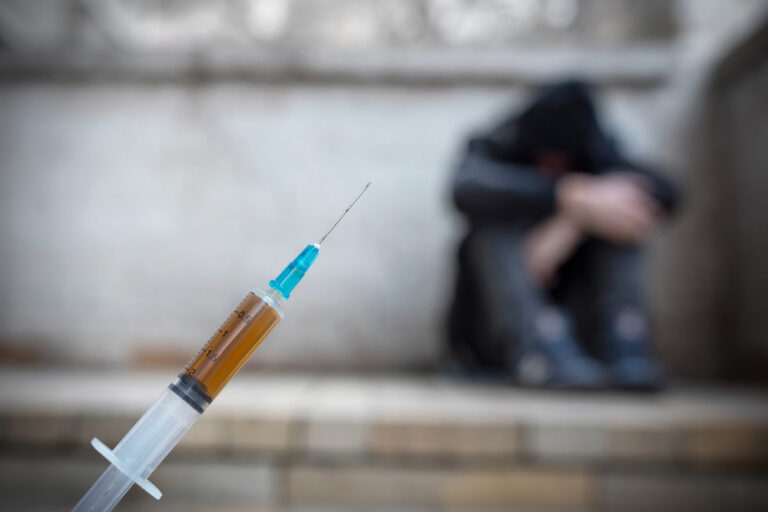
Heroin addiction destroys lives faster than almost any other substance. This highly addictive drug derived from morphine hijacks the brain’s reward system so aggressively that physical dependence can develop within days of regular use, leaving users trapped in a cycle of compulsive drug-seeking despite devastating consequences to their health, relationships, and future.
Whether you’re worried about your own heroin use or concerned about someone you love, understanding how this opiate drug works, and what effective treatment looks like—is the first step toward recovery. This guide covers everything you need to know: how addiction develops, the warning signs to watch for, the serious health problems that follow, and most importantly, how to access evidence-based treatment that works. Such as rehab for heroin addiction
Quick answer: can heroin cause addiction?
Yes, heroin causes addiction rapidly and powerfully. It is one of the most highly addictive substances known, capable of creating physical dependence after just days to weeks of repeated use. Unlike many other drugs that take months to establish a dependency pattern, heroin can trigger compulsive use after only one or two exposures due to its intense effect on dopamine pathways.
Heroin addiction—clinically termed opioid use disorder—means losing control over your drug use, continuing to seek and take heroin despite obvious harm, and experiencing withdrawal symptoms when you try to stop. Here’s what makes it so dangerous:
Addiction can develop within 2-3 weeks. Regular heroin use fundamentally changes brain chemistry faster than most people expect. What begins as occasional use can become daily dependence within weeks.
Tolerance escalates rapidly. Users quickly need larger doses to achieve the same effect. Initial doses that produced euphoria soon become inadequate, driving people to use more, and increasing overdose risk dramatically.
Physical dependence is severe. The body adapts to heroin’s presence so completely that stopping triggers agonising withdrawal symptoms, driving continued use just to feel normal.
Psychological grip is equally powerful. Beyond physical dependence, heroin creates profound psychological reliance, making users unable to imagine coping with life without it.
Early intervention matters. If you’re noticing increased tolerance, using more frequently, or experiencing cravings between doses, these warning signs can still be addressed before permanent damage occurs.
The earlier you recognise problematic patterns and seek help, the better your chances of successful recovery.

What is Heroin, and why do people misuse it?
Heroin is a semi-synthetic opioid drugs derived from morphine, which is extracted from the seed pods of the opium poppy plant. First synthesized in the late 1800s, it was initially marketed as a cough suppressant and pain reliever before its devastating addiction potential became clear. Today, it exists solely as an illegal street drug with no accepted medical use in most countries.
People misuse heroin because it delivers one of the most intense euphoric experiences of any substance:
The rush: Injecting or smoking heroin produces an immediate surge of pleasure—a warm, overwhelming sensation of wellbeing that users describe as better than anything they’ve experienced naturally.
Pain relief and escape: Heroin numbs both physical and emotional pain, making it appealing to those struggling with trauma, mental health issues, or chronic pain conditions.
Sedation and relaxation: After the initial rush, users experience profound relaxation, drowsiness, and detachment from stress and worry.
Gateway from prescription opioids: Many heroin users start with prescription opiates like codeine or oxycodone. When prescriptions end or tolerance makes them insufficient, heroin becomes a cheaper, more accessible alternative.
Short duration: Effects typically last 3-5 hours, meaning users must dose multiple times daily to maintain their high and avoid withdrawal—accelerating the addiction cycle.
The critical difference between medical opioid use and heroin addiction lies in control. Prescription opioids under health care providers’ supervision involve measured doses for specific conditions. Heroin use involves unregulated substances of unknown purity, escalating doses, and compulsive consumption that users cannot stop despite wanting to.
Street forms and slang names
Heroin appears in several forms depending on its origin and processing:
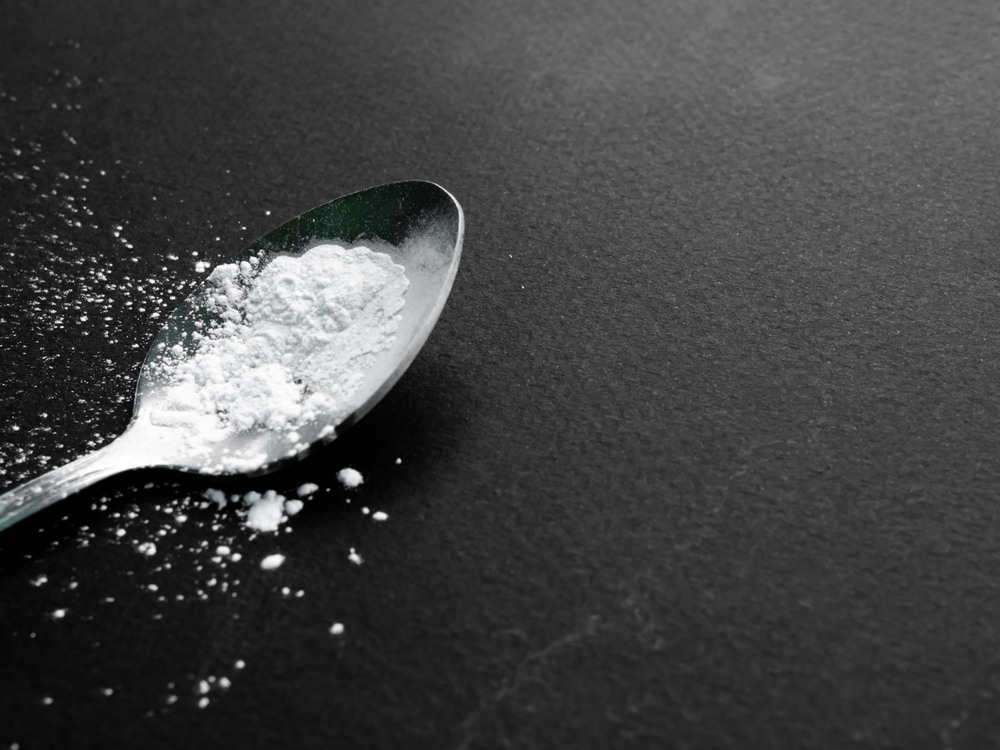
White or brown powder: Most heroin from Southwest Asia and Mexico appears as a white or brown powder, with color indicating purity and processing methods
Black tar heroin: This black sticky substance or hard coal-like form comes primarily from Mexico, contains more impurities, and is typically smoked or injected
Street names: H, smack, horse, junk, skag, dope, china white, brown sugar, mud, and many regional variations
Routes of administration include injection (most common among dependent users), smoking (chasing the dragon), and snorting the powder form. Injection and smoking deliver heroin to the brain fastest, accelerating addiction development.
Critical warning: Most heroin today is contaminated with fentanyl—a synthetic opioid 50-100 times more potent than morphine. This contamination has driven overdose deaths to record levels, as users cannot gauge what they’re actually taking.
How Heroin Addiction develops
Not everyone who tries heroin becomes addicted immediately, but the progression from first use to dependency happens faster than with almost any other substance. The drug’s rapid delivery to the brain, regardless of whether it’s injected, smoked, or snorted does creates immediate, powerful reinforcement that quickly rewires neural pathways.
Tolerance
With repeated use, the brain adapts to heroin’s presence remarkably quickly. Users find they need progressively larger or more frequent doses to achieve the same effect they initially experienced. This tolerance can develop within days of regular use:
Initial doses that produced intense euphoria become inadequate
Users increase amounts or frequency, chasing the original high
Higher doses increase overdose risk exponentially
Tolerance never reaches a ceiling—there’s no “safe” high dose
Physical dependence
Physical dependence develops as the body adjusts its chemistry to accommodate heroin’s constant presence. Without the drug, normal function becomes impossible:
The brain reduces natural endorphin production, relying on heroin instead
Stopping use triggers withdrawal symptoms within hours
Users continue taking heroin not to get high but to avoid feeling sick
Physical dependence can establish within 2-3 weeks of daily use
Psychological dependence
Beyond physical symptoms, heroin creates profound psychological reliance:
Users become unable to cope with stress, emotions, or daily life without the drug
Mental preoccupation with obtaining and using heroin dominates thinking
Activities, relationships, and responsibilities fade in importance
The drug becomes central to identity and functioning
Brain Changes and Mental Health
Heroin’s repeated use creates lasting changes in brain structure and function that persist long after stopping:
Reward system alteration: Heroin floods dopamine receptors so intensely that natural rewards (food, relationships, achievements) become unable to produce pleasure
Decision-making impairment: Changes to the prefrontal cortex compromise impulse control and judgment, making it harder to resist cravings
Stress response changes: The brain’s stress systems become hyperactive, creating intense anxiety and discomfort during withdrawal
Cognitive effects: Memory, attention, and learning abilities decline with chronic use
Mental health deterioration: Depression and anxiety disorders commonly develop or worsen, creating a cycle where users take heroin to manage symptoms it actually causes
In practical terms: heroin addiction isn’t a moral failing or lack of willpower. It’s a chronic brain disease that changes how people think, feel, and make decisions—requiring medical treatment like any other serious health condition.
Signs and Symptoms of Ketamine Addiction
Heroin addiction manifests through distinctive physical, psychological, and behavioral changes. While some signs overlap with other opioid drugs misuse, certain markers—particularly injection-related damage—are strongly associated with heroin use specifically.
Physical signs
Psychological signs
Behavioural signs
Physical signs
Psychological signs
Intense cravings and obsessive thoughts about obtaining heroin
Depression and anxiety between uses
Mood swings and irritability, especially approaching withdrawal
Loss of interest in activities, hobbies, and relationships
Memory problems and difficulty concentrating
Emotional numbness or detachment
Behavioural signs
Intense cravings and obsessive thoughts about obtaining heroin
Depression and anxiety between uses
Mood swings and irritability, especially approaching withdrawal
Loss of interest in activities, hobbies, and relationships
Memory problems and difficulty concentrating
Emotional numbness or detachment
Severity markers indicating addiction has taken firm hold:
Daily or multiple-daily use
Needing heroin immediately upon waking to function
Using larger amounts than intended
Spending most time obtaining, using, or recovering from heroin
Continuing despite physical health problems or overdose history

Short-term effects vs. warning signs
Understanding the difference between expected drug effects and early addiction warning signs helps identify problems before they become catastrophic.
Short-term effects (expected with heroin use):
Intense euphoria and rush of pleasure
Warm flushing of skin
Heavy feeling in limbs
Drowsiness and mental clouding
Nausea and vomiting (especially in new users)
Slowed breathing and heart rate
Effects lasting 3-5 hours
Warning signs (indicating problematic use):
Needing to use multiple times daily to function
Experiencing withdrawal symptoms between doses
Using despite previous overdose or serious health consequences
Failed attempts to reduce or stop
Life increasingly centred around heroin use
Family or friends expressing concern
Example progression: Weekend use becomes “just to relax after work,” then daily use to avoid feeling sick, then multiple daily doses just to function—with escalating amounts needed each time.
Health risks of Long-Term Ketamine Misuse
Chronic heroin use damages virtually every organ system. Beyond the immediate risk of fatal overdose, long term effects accumulate into permanent disabilities and life-threatening conditions.

Injection-related complications
For users who inject heroin—the most common method among those with severe addiction—the physical toll is particularly devastating:
Collapsed veins from repeated injection, forcing users to find new sites
Abscesses and skin infections from bacteria introduced through needles
Endocarditis—bacterial infection of heart valves that can be fatal
Blood clots blocking circulation to limbs
Severe infections sometimes requiring amputation
Infectious diseases
Sharing needles or injection equipment creates high risk for blood-borne diseases:
HIV and AIDS transmission through contaminated blood
Hepatitis B and C—often progressing to chronic liver disease
Bacterial infections from contaminated drugs or equipment
Pneumonia and respiratory infections from immune suppression
Organ system damage
Heroin and its adulterants damage multiple organ systems:
Liver disease from hepatitis infection and toxic cutting agents
Kidney damage and potential kidney failure
Lung complications including pneumonia and respiratory depression
Heart rhythm abnormalities and cardiovascular damage
Chronic constipation leading to severe bowel problems
Mental health and cognitive effects
Long-term heroin misuse profoundly affects brain function and mental health:
Persistent depression and anxiety disorders that continue after stopping
Memory impairment and difficulty with decision-making
Increased suicide risk, especially during withdrawal
Social and occupational functioning deterioration
White matter changes visible on brain imaging, affecting behaviour regulation
Heroin overdose, mixing drugs, and fatal complications
Heroin carries one of the highest fatal overdose risks of any drug. When people overdose on heroin, they stop breathing—and without immediate intervention, they die. The contamination of street heroin with fentanyl has made this danger exponentially greater, as users cannot know the actual potency of what they’re taking.
Overdose signs and emergency response
Recognizing opioid overdose can save a life:
Blue or purple lips and fingernails (indicating oxygen deprivation)
Slow, shallow, or stopped breathing
Gurgling or choking sounds (“death rattle”)
Unconsciousness and unresponsiveness
Limp body and pale, clammy skin
Slow or absent pulse
Emergency response steps:
Call 911 immediately—every second counts
Administer naloxone (Narcan) if available
Perform rescue breathing if trained
Place the person in recovery position if breathing
Stay until emergency services arrive
Be honest with paramedics about substances taken
Good Samaritan laws in most states protect people who report overdoses from prosecution, removing legal barriers to calling for medical help.
Dangerous drug combinations
Mixing heroin with other substances dramatically increases death risk:
Heroin with alcohol: Both depress breathing; combination is frequently fatal
Heroin with benzodiazepines: Extreme respiratory depression risk
Heroin with cocaine (speedballing): Unpredictable cardiac complications
Fentanyl-contaminated heroin: Most overdose deaths now involve fentanyl
Naloxone (Narcan) as life-saving intervention
Naloxone is a medication that rapidly reverses opioid overdose by blocking heroin’s effects on the brain:
Works within minutes when administered by injection or nasal spray
Available without prescription at most pharmacies
Should be carried by anyone using opioids or close to someone who does
Multiple doses may be needed for fentanyl-related overdoses
Person must still receive emergency medical help as naloxone wears off
If you or someone you know uses heroin, carry naloxone. It cannot be misused, and it saves lives.
Heroin Withdrawal and Detoxification
Heroin withdrawal is one of the most physically grueling experiences a person can endure. While rarely life-threatening, the intense suffering drives many people back to using just to make it stop—which is why medical supervision and medication-assisted treatment dramatically improve outcomes.
Common withdrawal symptoms
Severe muscle aches and bone pain
Intense nausea and vomiting
Diarrhea and abdominal cramping
Overwhelming cravings for heroin
Extreme anxiety and agitation
Insomnia and restlessness
Depression and mood instability
Runny nose and excessive tearing
Cold sweats, chills, and goosebumps
Rapid heart rate and elevated blood pressure
Withdrawal timeline and medical supervision
Heroin withdrawal follows a predictable but agonizing timeline:
6-12 hours after last dose: Early symptoms begin—anxiety, cravings, muscle aches
24-72 hours: Peak intensity—severe physical symptoms, extreme discomfort
Days 4-7: Gradual improvement in physical symptoms
Week 2 and beyond: Most acute symptoms resolve
Medical supervision during withdrawal provides:
Medications to ease symptoms and reduce suffering
Monitoring for complications
Support to prevent relapse during the most vulnerable period
Transition to ongoing addiction treatment
Post-acute withdrawal syndrome
Even after acute withdrawal resolves, many people experience extended symptoms over a longer period:
Persistent depression and anxiety lasting weeks to months
Sleep disturbances and fatigue
Cognitive difficulties including poor concentration
Mood instability and irritability
Continued cravings triggered by stress or reminders
Greater risk of relapse during this extended period
This is why detoxification alone is rarely sufficient—comprehensive treatment addressing both physical and psychological dependence produces far better outcomes.
Getting help for Heroin Addiction
Recovery from heroin addiction is absolutely possible. Thousands of people have overcome this disease and rebuilt meaningful lives—even after years of severe addiction. The key is accessing evidence-based treatment that combines medication with behavioral therapy and ongoing support.
First steps to getting help
Talk to your doctor or a health care provider. They can assess your situation, discuss treatment options, and refer you to addiction medicine specialists.
Contact local addiction treatment centers. Many offer free assessments and can guide you through available options.
Call national helplines. SAMHSA’s National Helpline (1-800-662-4357) provides free, confidential support 24/7.
Visit an emergency department if you’re in crisis or experiencing severe withdrawal symptoms.
Treatment approaches
Treatment Type | Description |
|---|---|
Medication-Assisted Treatment (MAT) | Methadone, buprenorphine, or naltrexone combined with counseling—most effective approach for heroin addiction |
Inpatient/Residential Rehab | 24/7 care in a structured environment, ideal for severe addiction or those who need removal from triggers |
Outpatient Programs | Regular treatment sessions while living at home, suits those with stable support systems |
Cognitive Behavioral Therapy | Identifies triggers and develops coping strategies to manage cravings |
Contingency Management | Uses positive reinforcement to encourage abstinence |
Medication-Assisted Treatment represents the gold standard for heroin addiction. FDA-approved medicines like methadone and buprenorphine:
Reduce cravings and withdrawal symptoms
Block heroin’s euphoric effects
Allow people to function normally and engage in therapy
Dramatically reduce overdose deaths and relapse rates
A comprehensive treatment plan addresses not just drug use but underlying mental health issues, trauma, and life circumstances that contribute to addiction.
Support systems and long-term recovery
Sustained recovery requires ongoing support beyond initial treatment:
Family involvement: Education and therapy help families support recovery while healing their own wounds
Support groups: Narcotics Anonymous, SMART Recovery, and other peer support groups provide community and accountability
Sober living environments: Structured housing during early recovery reduces relapse risk
Vocational and educational support: Rebuilding life skills and employment
Ongoing medical care: Managing health problems caused by addiction and preventing relapse
Lorem ipsum dolor sit amet, consectetur adipiscing elit. Ut elit tellus, luctus nec ullamcorper mattis, pulvinar dapibus leo.
Key takeaways
Heroin is extremely addictive—physical dependence can develop within days to weeks of repeated use, making it one of the most highly addictive substances known
The health consequences are severe—from collapsed veins and infectious disease to organ damage and fatal overdose
Fentanyl contamination has made heroin deadlier than ever—users cannot know what’s in street heroin, dramatically increasing overdose risk
Withdrawal is agonizing but manageable—medical supervision and medication make the process safer and more tolerable
Medication-assisted treatment works—combining medicines like methadone or buprenorphine with therapy produces the best outcomes
Recovery is possible—with proper treatment and support, most people with heroin addiction can achieve lasting recovery
Early intervention improves outcomes—the sooner you seek help, the less damage occurs and the easier recovery becomes
If you’re struggling with heroin use—or worried about someone who is—reach out for help today. You don’t have to face this alone, and effective treatment is available. One phone call can change everything.