-
Frequent nosebleeds, runny nose, and chronic congestion from snorting
-
Dilated pupils and bloodshot eyes
-
Rapid weight loss and dramatically decreased appetite
-
Elevated heart rate and blood pressure
-
Excessive sweating and hyperthermia
-
Tremors, muscle twitches, and restlessness
-
Burn marks on lips or fingers from smoking cocaine
-
Track marks if you inject cocaine
Cocaine Addiction
Medically reviewed by

Dr Olalekan Otulana

Cocaine addiction is a serious condition affecting thousands of people across the UK, with devastating consequences for physical health, mental wellbeing, and relationships. This powerful addictive stimulant drug hijacks the brain’s reward system, creating compulsive drug-seeking behaviour that can feel impossible to control without professional help.
Whether you’re struggling with powder cocaine or crack cocaine, recovery is possible. Our team offers comprehensive residential cocaine addiction treatment designed to address every aspect of cocaine use disorder, from medical stabilisation through to long-term aftercare.
Quick answer: can cocaine cause addiction?
Yes, cocaine is highly addictive. The drug’s powerful effects on brain dopamine systems create one of the fastest pathways to dependence of any recreational substance. While not everyone who tries cocaine becomes addicted, regular use over weeks to months significantly increases your risk of developing cocaine dependence.
Cocaine addiction—clinically termed cocaine use disorder—means losing control over your cocaine use, continuing despite obvious harm to your health, relationships, and finances, and finding it increasingly difficult to function without the drug. Here’s what you need to know:
-
Tolerance develops rapidly. Regular cocaine users often find they need progressively larger doses to achieve the same euphoric effects. What started as a line at parties can escalate to multiple grams daily within months.
-
Psychological dependence dominates. Unlike opioids, cocaine withdrawal is primarily psychological—but that doesn’t make it easier. Intense cravings, severe depression, and an inability to feel pleasure without the drug can be overwhelming.
-
Both forms are highly addictive. Powder cocaine and crack cocaine both carry serious addiction potential, though crack cocaine produces a faster, more intense high that accelerates dependence.
-
Binge patterns are common. The short duration of effects of cocaine (15-60 minutes) drives users to redose repeatedly, sometimes for hours or days, dramatically increasing health risks.
-
Early signs are treatable. If you notice you’re increasing your dose, using more frequently, or experiencing strong cravings, these warning signs can still be addressed before severe cardiovascular, neurological, or mental health damage occurs.
The earlier you recognise problematic patterns, the better your chances of avoiding permanent health consequences and achieving lasting recovery.
What is Cocaine and why do people misuse it?
Cocaine is a powerful stimulant drug derived from the leaves of the coca plant, native to South America. Originally isolated in the 1860s and once used as a local anaesthetic in medical settings, cocaine is now classified as a Class A drug in the UK and a Schedule II substance by the Drug Enforcement Administration in the US—meaning it has high potential for abuse with limited medical applications.
The effects of cocaine that made it historically useful in medicine are precisely what drive its misuse today. Cocaine acts by blocking the dopamine transporter in the central nervous system, preventing the brain from reabsorbing this “feel-good” neurotransmitter. The result is a flood of dopamine in the brain’s reward system, producing:
Intense euphoria: A powerful rush of pleasure and wellbeing that users describe as incomparable to natural experiences.
Increased energy and alertness: Feelings of invincibility, reduced need for sleep, and heightened physical stamina.
Enhanced confidence: Reduced social inhibitions and inflated self-esteem that appeal in social or professional settings.
Heightened focus: Some users believe cocaine improves their work performance or creativity.
Short duration: Effects typically last 15-60 minutes depending on route of administration, making it convenient for party settings.
The critical difference lies in context. Historical medical use involved controlled, measured doses under supervision. Street drug use involves unregulated amounts of unknown purity, often escalating as tolerance builds.
Street forms and slang names
Cocaine typically appears in two main forms, each with distinct characteristics and risks.
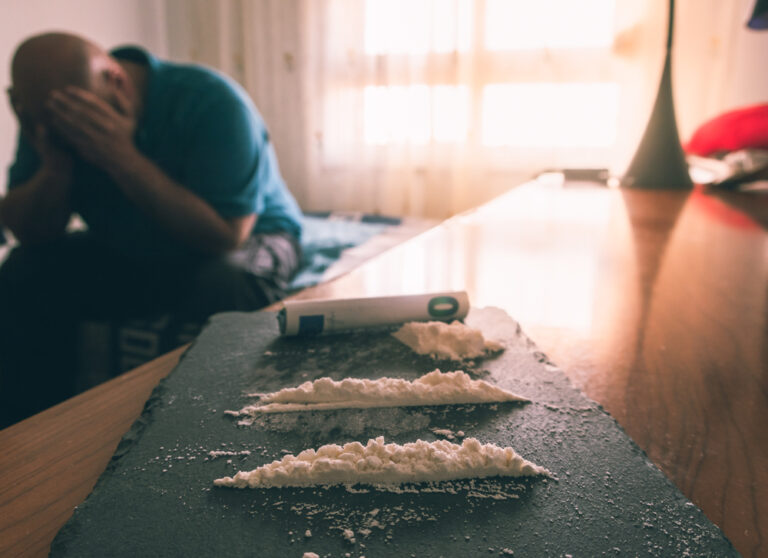
Powder cocaine is a white crystalline powder, usually snorted through the nose or dissolved and injected. Common street names include: coke, snow, blow, charlie, powder, white, and flake.
Crack cocaine is powder cocaine processed into smokeable rocks or crystals. Smoking cocaine delivers the drug to the brain within seconds, producing a faster, more intense—but shorter—high that makes it particularly addictive. Street names include: crack, rock, stones, and freebase.
Routes of cocaine administration vary: snorting is most common for powder, while crack is typically smoked. Some users inject cocaine for a rapid onset similar to smoking. Each method carries specific health risks—from nasal damage to respiratory problems to contracting infectious diseases through shared needles.
Street cocaine is frequently cut with adulterants ranging from relatively harmless lactose to dangerous substances like levamisole or even fentanyl. This variability makes every dose unpredictable and increases overdose risk.

How Cocaine Addiction develops
Not everyone who tries cocaine becomes addicted. Many people use it occasionally without developing problems. However, cocaine’s unique pharmacology—intense reward followed by rapid crash—creates a clear pathway from experimentation to compulsive use faster than most people expect.
Tolerance
With regular cocaine use, the brain adapts to the drug’s presence. Users need higher or more frequent doses to achieve the same effects. This tolerance often develops over weeks to months, with recreational doses escalating from small amounts to multiple grams per session.
Physical dependence
While cocaine withdrawal is not typically life-threatening like alcohol or opioid withdrawal, your body does adapt to chronic cocaine presence. When you stop, your depleted dopamine system struggles to function normally, producing the characteristic crash.
Psychological dependence
This is where cocaine addiction truly takes hold. The drug becomes linked to stress relief, social confidence, work performance, or simply feeling “normal.” Without cocaine, life feels flat, exhausting, and unmanageable.
Binge patterns
Because the high is so brief, users often redoes multiple times in a single session. Cocaine begins working within minutes when snorted, peaks rapidly, then fades prompting immediate desire for more. These binges can last hours or days, with users unable to stop despite exhaustion.
Self-medication trap
Many people use cocaine to manage comedown effects, the depression, fatigue, and cravings that follow use. This creates a vicious cycle where the only “solution” to cocaine-induced misery is more cocaine.
Continuing despite consequences
The hallmark of addiction is persistent drug use despite clear negative consequences, lost jobs, broken relationships, financial ruin, legal problems, and declining health. By this stage, compulsion has overridden rational decision-making.
Brain Changes and Mental Health
Cocaine affects the brain in ways that extend far beyond the immediate high. The drug’s action on dopamine pathways fundamentally alters brain structure and function with chronic cocaine use.
Repeated cocaine administration causes changes in:
-
Reward circuits: Natural pleasures become less satisfying as dopamine receptors downregulate. Users experience anhedonia—inability to feel pleasure—without the drug.
-
Prefrontal cortex: Decision-making, impulse control, and judgement become impaired, making it harder to resist cravings or recognise problematic patterns.
-
Memory and learning: Cocaine-related cues become powerfully associated with reward, triggering intense cravings even years into recovery.
Mental health deterioration is common with ongoing cocaine misuse:
-
Chronic cocaine use is linked to severe anxiety, paranoia, and psychotic symptoms, including hallucinations
-
Depression and mood swings worsen, particularly during withdrawal periods
-
Violent behaviour can emerge, especially with high doses or prolonged binges
-
Cognitive deficits, including attention problems and slowed processing may persist for months after stopping
In practical terms: you might find yourself unable to experience joy without cocaine, making impulsive decisions you’d never consider sober, and struggling to manage basic responsibilities.
Signs and Symptoms of Cocaine Addiction
Cocaine addiction manifests through a cluster of physical, psychological, and behavioural changes. Many of these signs overlap with other substance use disorders, but some patterns—particularly the binge-crash cycle—are distinctively associated with stimulant use disorders.
Physical signs
Psychological signs
Behavioural signs
Physical signs
Psychological signs
-
Intense, intrusive cravings for cocaine
-
Extreme mood swings—euphoria during use, severe depression after
-
Escalating anxiety, paranoia, and agitation
-
Hallucinations or psychotic episodes, particularly during binges
-
Irritability and emotional volatility
-
Difficulty concentrating, brain fog, and memory problems
-
Insomnia during use followed by excessive sleep during crashes
Behavioural signs
-
Compulsive drug-seeking that dominates your thoughts and time
-
Neglecting work, family, and social responsibilities
-
Severe financial problems from spending on drugs
-
Engaging in risky behaviours while intoxicated
-
Lying about cocaine use and whereabouts
-
Withdrawing from friends and family who don’t use
-
Continued use despite clear negative consequences
-
Repeated unsuccessful attempts to cut down or stop
Severity markers suggest addiction has taken firm hold:
-
Daily or near-daily use
-
Multi-day binges without sleep
-
Using alone, not just socially
-
Needing cocaine to face normal daily activities
Example pattern: A typical progression might look like this—occasional weekend use becomes every weekend, then extends to “just Thursdays too,” then becomes something you do whenever stressed at work, until you realise you haven’t gone a day without cocaine in months.

Short-term effects vs. warning signs
Understanding the difference between expected drug effects and early addiction warning signs helps with harm reduction and early intervention.
Short-term effects (expected with cocaine use):
-
Intense euphoria and sense of wellbeing
-
Increased energy, alertness, and talkativeness
-
Heightened confidence and reduced inhibitions
-
Decreased appetite and need for sleep
-
Effects typically wear off within 15-60 minutes depending on route
-
Followed by comedown: fatigue, low mood, irritability
Warning signs (indicating problematic use):
-
Needing to redose multiple times in a single session
-
Binges lasting many hours or multiple days
-
Using in increasingly risky situations—alone, at work, while driving
-
Strong cravings between use sessions
-
Increasing tolerance requiring higher doses
-
Friends, family, or colleagues expressing concern
-
Using despite experiencing chest pain, nosebleeds, or other health effects
-
Spending beyond your means on cocaine
Early recognition of these patterns allows for intervention before severe cardiovascular, neurological, or mental health damage develops.
Health risks of Long-Term Cocaine Misuse
Long term cocaine use causes devastating damage to multiple organ systems. Unlike some drugs where the primary risk is overdose, cocaine carries distinctive chronic health consequences that accumulate with continued use.

Cardiovascular system damage is cocaine’s most dangerous legacy. Cocaine affects the heart through multiple mechanisms: it constricts blood vessels, reduces blood flow to heart muscle, increases heart rate and blood pressure, and promotes blood clots. This creates risk of:
-
Heart attack—even in young, otherwise healthy cocaine users
-
Irregular heartbeat (arrhythmias) that can be fatal
-
Aortic dissection—tearing of the body’s largest artery
-
Cardiomyopathy—weakening of heart muscle
-
Sudden death from cardiac events
Neurological effects compound over time. Cocaine affects blood vessels throughout the body, including the brain:
-
Strokes from constricted blood vessels or bleeding
-
Seizures, particularly during binges or overdose
-
Cognitive impairment affecting memory, attention, and decision-making
-
Movement disorders in some long-term users
Nasal and respiratory damage depends on route of administration:
-
Snorting causes nasal septum perforation, loss of smell, chronic sinusitis
-
Smoking cocaine damages lungs—“crack lung” involves severe respiratory problems, chronic cough, and may worsen asthma
Gastrointestinal problems include:
-
Reduced blood flow to intestines can cause bowel necrosis
-
Ulcers and abdominal pain
-
Severe malnutrition from chronic appetite suppression
Mental health issues worsen progressively:
-
Severe depression, particularly during withdrawal
-
Anxiety disorders and panic attacks
-
Drug-induced psychosis with paranoia and hallucinations
-
Increased risk of suicidal thoughts and attempts
Social and infectious disease risks multiply:
-
HIV and hepatitis from needle sharing if you inject cocaine
-
Increased sexual risk-taking leading to blood diseases
-
Relationship breakdown and family destruction
-
Job loss and financial ruin
-
Legal consequences including imprisonment
Cocaine overdose, mixing drugs, and dangerous combinations
Cocaine overdose can be fatal. Unlike opioid overdose, there is no reversal medication—treatment consists entirely of supportive medical care. Understanding overdose risks is essential for anyone using cocaine.
Signs of cocaine overdose include:
-
Severe chest pain
-
Difficulty breathing or respiratory failure
-
Seizures
-
Dangerously high body temperature
-
Irregular or racing heartbeat
-
Extreme agitation or confusion
-
Loss of consciousness
If someone shows overdose signs:
-
Call 999 immediately
-
Stay with them until help arrives
-
Place them in recovery position if unconscious but breathing
-
Be honest with paramedics about what substances were taken
-
If trained, provide basic life support if needed
Mixing cocaine with other drugs dramatically increases risks:
-
Mixing alcohol with cocaine creates cocaethylene in the liver—a substance that increases toxic effects and raises heart attack risk by 18-25 times
-
Speedball (cocaine + heroin) is extremely dangerous—when the stimulant wears off, respiratory depression from opioids can cause opioid overdose and death
-
Cocaine + other stimulants amplifies cardiovascular risks exponentially
-
Cocaine + prescription medications can create unpredictable interactions
Street cocaine unpredictability compounds all risks:
-
Purity varies dramatically between batches
-
Fentanyl contamination has caused cocaine related deaths to surge
-
No way to know what cutting agents or other substances are present
-
The same amount from different sources can have vastly different effects
Cocaine Withdrawal and coming off Cocaine
Cocaine withdrawal is primarily psychological rather than physically dangerous—but that doesn’t mean it’s easy. The intense depression, cravings, and inability to feel pleasure can be overwhelming without proper support.
-
Common withdrawal symptoms include:
-
Severe depression and hopelessness
-
Intense cravings for cocaine
-
Extreme fatigue and excessive sleep
-
Increased appetite
-
Anxiety and agitation
-
Irritability and mood swings
-
Difficulty concentrating
-
Anhedonia—inability to feel pleasure from normal activities
-
Vivid, unpleasant dreams
-
Timeline: Symptoms typically begin within hours of last use, peak during the first few days, and can persist for weeks to months. The “crash” phase is most intense in the first week, while psychological symptoms—particularly cravings and depression—may continue much longer.
While not usually life-threatening, the severe depression of cocaine withdrawal can lead to suicidal thoughts. This is a serious risk requiring professional monitoring, particularly in people with pre-existing mental health conditions.
No medications approved specifically for cocaine withdrawal exist. Unlike opioid detox, there’s no standard pharmacological treatment. Management focuses on supportive care, treating individual symptoms, and psychological support.
Seek medical supervision if:
You’ve been using daily or in large amounts
You’re also using alcohol or other substances
You have significant mental disorders or mental health issues
Previous quit attempts led to severe depression or relapse
“Coming down” vs. withdrawal
Differentiating between a normal comedown and true withdrawal syndrome helps determine what level of care you need.
Comedown (after single use session):
-
Fatigue and exhaustion
-
Low mood and irritability
-
Anxiety and restlessness
-
Cravings for more cocaine
-
Usually resolves within hours to a few days with rest
Withdrawal (after stopping regular use):
-
Symptoms persist or intensify over multiple days
-
Severe depression that doesn’t lift
-
Profound cravings that feel impossible to resist
-
Significant sleep disturbances—initially excessive sleep, then insomnia
-
Inability to feel pleasure (anhedonia) lasting weeks
-
May require professional mental health services support
Getting help for Cocaine Addiction
Recovery from cocaine addiction is absolutely possible. Thousands of people have overcome cocaine dependence and rebuilt fulfilling lives—even after years of heavy use. The earlier you seek support, the better your chances of avoiding permanent health damage and achieving lasting recovery.
First steps to getting help:
-
Talk to your GP who can assess your physical health, discuss treatment options, and refer you to specialist addiction services
-
Contact local drug and alcohol services which offer free, confidential support experienced in treating substance abuse
-
Call a confidential helpline like the National Institute on Drug Abuse resources or FRANK in the UK
-
Reach out to private providers for comprehensive residential treatment if you need intensive support
Common treatment approaches:
|
Treatment Type |
Description |
|---|---|
|
Medical detox and withdrawal support |
Safe, supervised management of withdrawal symptoms with 24/7 monitoring |
|
Cognitive behavioural therapy |
Evidence-based therapy identifying triggers and building coping skills—the gold standard for stimulant use disorders |
|
Motivational interviewing |
Explores your ambivalence about stopping and builds internal motivation for change |
|
Contingency management |
Rewards-based approach providing incentives for negative drug tests |
|
Outpatient programmes |
Regular sessions while living at home—suits those with strong support systems |
|
Inpatient treatment |
Intensive residential rehab away from triggers—recommended for severe addiction |
|
Aftercare and relapse prevention |
Ongoing support through mutual support groups like Cocaine Anonymous, individual therapy, and lifestyle changes |
Coordinated care may be needed if you’ve developed cardiovascular problems, physical health problems, or mental health issues. This might involve addiction specialists, cardiologists, and mental health professionals working together as part of your treatment plan.
Family involvement is crucial. Where safe and appropriate, bringing in family members provides support, helps monitor progress, and addresses relationship damage caused by addiction.
Taking the first step is often the hardest part. Whether that’s making a phone call, booking a GP appointment, or simply telling someone you trust—it’s worth it. Help is available, and recovery is possible.
Lorem ipsum dolor sit amet, consectetur adipiscing elit. Ut elit tellus, luctus nec ullamcorper mattis, pulvinar dapibus leo.
Key Takeaways
-
Cocaine is highly addictive due to its powerful effects on brain dopamine systems—both powder cocaine and crack cocaine carry serious addiction potential
-
Health risks are severe including heart attack, stroke, respiratory failure, and sudden death, particularly with chronic cocaine use
-
Mixing cocaine with alcohol or other drugs dramatically increases overdose risk—cocaethylene formed with alcohol raises heart attack risk by 18-25 times
-
Withdrawal is primarily psychological but can be severe, with intense depression requiring professional support and monitoring
-
Behavioural therapies are the main treatment, as there are no medications approved specifically for cocaine use disorder—cognitive behavioural therapy is most effective
-
Recovery is absolutely possible with proper treatment, support, and commitment to change
-
Early intervention prevents permanent damage to your cardiovascular system, brain, and mental health—the sooner you seek help, the better your outcomes
If you’re concerned about your cocaine use—or someone else’s—the most important thing is to take action. Talk to a healthcare professional, contact addiction services, or reach out to a helpline. You don’t have to figure this out alone, and help is available.