Involuntary jaw clenching, teeth grinding, and facial tension
Severe comedown crashes lasting several days after use
Dehydration episodes and overheating during use
Weight loss from reduced appetite
Chronic sleep disturbances and insomnia
Dilated pupils and excessive sweating
Lingering fatigue and low mood between uses
Ecstasy Addiction
Medically reviewed by

Dr Olalekan Otulana
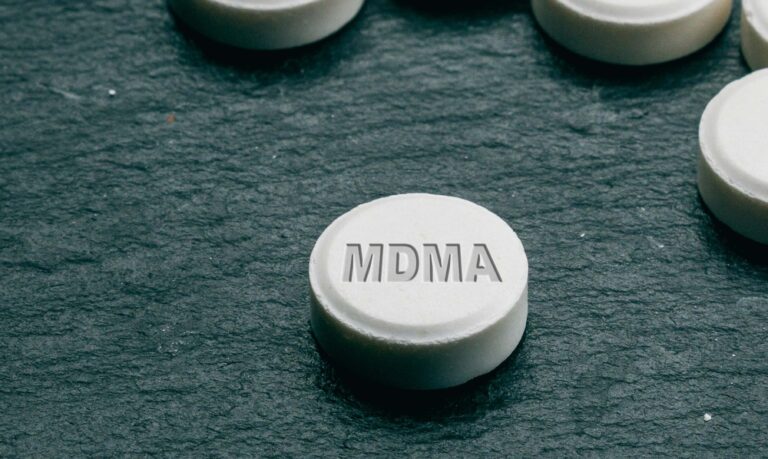
Ecstasy addiction is an increasingly common concern as MDMA use continues to spread beyond club scenes into festivals, house parties, and private gatherings. What many consider a harmless party enhancer can develop into a substance use disorder that hijacks the brain’s reward system, leaving users chasing a high that becomes progressively harder to replicate.
This guide covers everything you need to know about ecstasy addiction: how this synthetic drug affects your brain chemistry, the warning signs of problematic use, the serious health risks of long-term misuse, and the treatment options, such as ecstasy rehab, if you or someone you care about is struggling with ecstasy dependence.
Quick answer: can ecstasy cause addiction?
Yes, ecstasy can cause addiction. While MDMA is less physically addictive than opioids, cocaine, or methamphetamine, frequent recreational use creates a clear pathway to psychological dependence and compulsive behaviour that meets specific diagnostic criteria for substance use disorder.
Ecstasy addiction—clinically categorised under Other Hallucinogen Use Disorders in the Diagnostic and Statistical Manual—means losing control over your use, continuing to take the drug despite negative consequences, and finding it increasingly difficult to enjoy social situations without it. Here’s what you need to know:
Tolerance develops with repeated use. Regular ecstasy users at clubs, festivals, and parties often find they need larger doses to achieve the same effects. What started as half a pill might escalate to multiple pills within weeks to months.
Psychological dependence dominates. Unlike alcohol dependence or opioid withdrawal, ecstasy withdrawal is primarily psychological—but that doesn’t make it easier. Cravings, severe depression, and an inability to cope socially without the drug can be overwhelming.
Weekly use over months significantly increases your risk of developing a full-blown addiction, with some users reporting dependence after just a few months of regular consumption at weekend events.
Early warning signs are recognisable. If you notice you’re using more frequently, taking higher doses, or using outside social settings, these patterns can still be addressed before severe mental health or cognitive damage occurs.
The earlier you recognise problematic patterns, the better your chances of avoiding long-term consequences to your brain chemistry and well being.
What is Ecstasy, and why do people misuse it?
Ecstasy is the street name for MDMA (3,4-methylenedioxymethamphetamine), a synthetic drug first synthesised in 1912 by Merck as an intermediate for pharmaceutical development. This club drug functions as both a stimulant and a hallucinogen, producing unique effects that combine increased energy with emotional openness and sensory enhancement.
Today, MDMA is classified as a Schedule I controlled substance by the Drug Enforcement Administration, meaning it has no accepted medical use and high potential for abuse. However, recent research studies through organisations like MAPS have shown promising results for MDMA-assisted therapy in treating post traumatic stress disorder, with some phase 3 trials demonstrating 67% remission rates under controlled conditions.
The effects of ecstasy that make it potentially valuable in therapeutic settings also make it appealing for recreational misuse:
Euphoria and enhanced empathy: MDMA triggers massive release of at least three neurotransmitters—serotonin, dopamine, and norepinephrine—creating intense feelings of emotional closeness and connection.
Increased energy and sociability: The stimulant properties boost energy levels and reduce inhibitions, making it attractive for dancing and partying.
Enhanced sensory perception: Users report heightened sensitivity to touch, music, and visual stimuli, along with hallucinogenic properties at higher doses.
Emotional warmth and bonding: The surge in serotonin creates feelings of love and trust that users describe as deeply meaningful.
Convenient duration: Effects typically last 3-6 hours, fitting neatly into a night out at clubs or festivals.
The critical difference lies in context. Controlled research doses involve carefully measured amounts under professional supervision. Recreational ecstasy use involves unregulated doses in unpredictable settings, often escalating in frequency and amount as tolerance builds.
Street forms and slang names
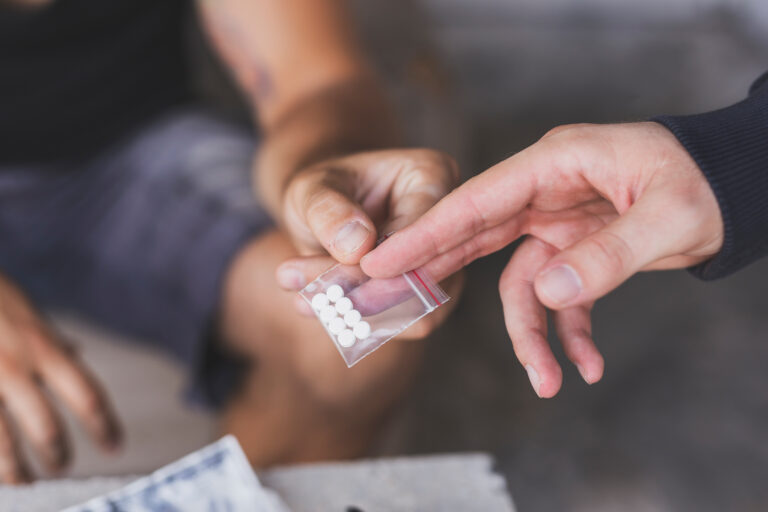
Ecstasy pills typically appear as colourful tablets pressed with distinctive logos—everything from cartoon characters to brand symbols. “Molly,” marketed as a pure form of MDMA, usually comes as crystalline powder or in capsules.
Common street names include: E, X, XTC, molly, rolls, beans, candy, love drug, and adam. Names vary widely by region and social scene.
The most common route of administration is swallowing, though some users crush and snort the powder for faster onset.
Street ecstasy often contains unknown substances and may include dangerous adulterants like methamphetamine, synthetic cathinones (bath salts), PMA, caffeine, or even fentanyl—significantly increasing overdose risk and unpredictable adverse effects. The purity and contents of ecstasy pills vary widely, making recreational use inherently dangerous.

How ecstasy addiction develops
Not everyone who tries ecstasy becomes addicted. Many people use it occasionally without developing problems. However, repeated use can fundamentally rewire the brain’s reward system, making the transition from casual experimentation to compulsive drug use faster than most people expect.
Tolerance
With regular ecstasy use, the brain adapts to the drug’s effects. Users need higher or more frequent doses to achieve the same euphoric and empathogenic effects. This tolerance develops over weeks to months of consistent use, with recreational doses escalating from typical amounts to potentially dangerous quantities.
The mechanism involves serotonin depletion—taking MDMA floods the brain with serotonin, but this depletes stores that take time to replenish. Users often find the “magic” diminishes, leading them to take larger doses or use more frequently to chase the original experience.
Physical dependence
While MDMA is less physically addictive than substances like alcohol or opioids, physical symptoms do occur with regular use. Users report fatigue, headaches, and disrupted sleeping patterns when they stop using. These symptoms, while not typically dangerous, can be uncomfortable enough to prompt continued drug use.
Psychological dependence
Psychological dependence represents the core of ecstasy addiction. Users develop an inability to enjoy social situations, music, or intimacy without the drug. What started as enhancement becomes necessity—ordinary experiences feel flat and unrewarding compared to the heightened states MDMA provides.
Cravings become persistent, with users preoccupied by thoughts of their next dose. The emotional stress of facing life without the drug’s artificial warmth drives continued use even when users recognise the harm.
Binge patterns
Many ecstasy users begin with weekend use at clubs or festivals, which gradually extends to multiple days. Friday-through-Sunday use becomes the norm, then extends to midweek “recovery” doses, then becomes regular as the comedown feels unbearable without another dose.
Festival seasons often accelerate this pattern, with multi-day binges establishing tolerance levels that persist afterward.
Self-medication trap
Some drug users turn to ecstasy to manage underlying mental health issues—using the artificial euphoria to escape depression, anxiety, or trauma. While this self medication might provide temporary relief, it worsens underlying conditions by depleting serotonin and disrupting natural mood regulation.
The irony is stark: ecstasy initially masks symptoms that it ultimately intensifies, creating a cycle where users need the drug to feel “normal.”
Continuing despite consequences
A hallmark of addiction is continued substance use despite obvious harm. Users experiencing severe comedowns, relationship breakdowns, financial problems, or health issues may still prioritise obtaining and using ecstasy. Using in increasingly risky situations—driving, with strangers, or alone—signals that drug abuse has progressed to addiction.
Brain Changes and Mental Health
MDMA affects at least three neurotransmitters critical to mood, motivation, and cognition. The massive serotonin release responsible for ecstasy’s effects causes lasting changes with chronic use:
Memory, decision-making, and impulse control become impaired, making it harder to resist cravings or plan for the future. Research from the National Institute on Drug Abuse confirms cognitive deficits in heavy users.
Chronic MDMA use is linked to increased anxiety, depression, and mood swings—the opposite of the drug’s acute effects. The serotonin system may be permanently altered in heavy users.
Cognitive deficits including “brain fog,” memory loss, and slower processing can persist for months or years after stopping, according to research studies.
Vulnerable individuals face increased risk of psychotic symptoms, paranoia, and severe mental disorders with repeated use.
In practical terms: you might find yourself feeling emotionally flat when sober, struggling to connect with others naturally, and unable to enjoy experiences that once brought pleasure without the drug.
Signs and Symptoms of Ecstasy Addiction
Ecstasy addiction manifests through a cluster of physical, psychological, and behavioural changes. Many of these signs overlap with other substances, but some—particularly the severe “midweek blues” and compulsive redosing patterns—are distinctively associated with chronic ecstasy abuse.
Physical signs
Psychological signs
Behavioural signs
Physical signs
Psychological signs
Severe depression and anxiety between uses (the “Tuesday blues”)
Emotional numbness or flatness when not using
Memory problems and concentration difficulties
Paranoia and social anxiety without ecstasy
Mood swings and irritability
Inability to feel pleasure from normal activities
Behavioural signs
Carrying pacifiers, gum, or items to manage jaw clenching
Planning social activities around ecstasy availability
Lying about drug use or minimising frequency
Spending excessive money on pills or events
Neglecting responsibilities for party lifestyle
Using alone or outside typical social settings
Severity markers suggest addiction has taken firm hold:
Weekly or more frequent use
Using increasing amounts in a single session
Repeated unsuccessful attempts to cut down
Continuing despite experiencing severe comedowns or health problems
Example pattern: A typical progression might look like this—monthly festival use becomes bi-weekly club nights, then every weekend becomes standard, then extends to weekday use because low mood feels unbearable without another dose.

Short-term effects vs. warning signs
Understanding the difference between expected drug effects and early addiction warning signs helps with early intervention.
Short-term effects (expected with ecstasy use):
Euphoria and feelings of emotional closeness
Increased energy and desire to dance
Enhanced sensory perception
Heightened body temperature and sweating
Dilated pupils
Involuntary jaw clenching
Effects wearing off after 4-6 hours, with fatigue the following day
Warning signs (indicating problematic use):
Needing to redose multiple times to maintain effects
Taking larger doses than intended
Using in increasingly risky situations
Ignoring previous negative experiences to use again
Experiencing strong cravings between sessions
Struggling to enjoy social situations without ecstasy
Friends or family expressing concern about your use
Early recognition of these patterns allows for intervention before severe cognitive, emotional, or social damage develops.
Health risks of Long-Term Ecstasy Misuse
Heavy or prolonged ecstasy use can damage multiple organ systems and cause problems that persist even after stopping. The National Institute on Drug Abuse has documented serious health risks associated with chronic MDMA use that extend far beyond the immediate effects.

Brain and cognitive function damage represents the most significant long-term concern. MDMA is neurotoxic to serotonin-producing neurons, potentially causing:
Persistent depression, anxiety, and mood instability
Memory loss and difficulty with verbal recall
Impaired attention, concentration, and learning
Reduced cognitive flexibility and decision-making capacity
Changes in brain structure similar to those seen with amphetamine abuse
Cardiovascular system stress accumulates with repeated stimulant use:
Elevated blood pressure and heart rate during use
Increased risk of heart disease with chronic use
Potential for cardiac events, especially with pre-existing conditions
Added strain from dehydration and dangerously elevated body temperature
Mental health deterioration compounds over time:
Increased risk of major depressive disorder
Chronic anxiety disorders
Panic attacks becoming more frequent
Paranoia and in some cases, lasting psychotic symptoms
Emotional instability and difficulty regulating mood
Hyperthermia and organ failure represent acute risks that increase with repeated use:
MDMA interferes with the body’s ability to regulate body temperature
Combined with physical exertion and warm environments, this can cause organ failure
Liver, kidney, and cardiovascular collapse can occur with severe overheating
Brain swelling from hyponatraemia (drinking too much water) is also a risk
Social and safety harms multiply as addiction progresses:
Risky sexual behaviour under the influence
Financial problems from spending on drugs and events
Relationship breakdowns with family and partners
Job loss or academic failure
Legal consequences from drug possession or related behaviour
Ecstasy overdose, contamination, and dangerous combinations
Fatal overdose from pure MDMA is relatively uncommon but does occur, typically from hyperthermia, cardiovascular collapse, or hyponatraemia. However, the unpredictable nature of street ecstasy dramatically increases danger.
Acute overdose signs include:
Dangerously elevated body temperature (hyperthermia)
Seizures
Rapid or irregular heartbeat
Severe confusion or loss of consciousness
Difficulty breathing
Muscle breakdown (rhabdomyolysis)
Organ failure
Contamination makes street ecstasy unpredictable:
Pills may contain no actual MDMA
PMA (paramethoxyamphetamine) is slower-acting but far more dangerous
Synthetic cathinones (bath salts) cause unpredictable stimulant effects
Fentanyl contamination has been found in some ecstasy supplies
Methamphetamine substitution is common
Dangerous drug combinations include:
Alcohol increases dehydration and impairs judgement about overheating
Other stimulants compound cardiovascular and temperature risks
Antidepressants (especially MAOIs and SSRIs) can cause serotonin syndrome
Other drugs affecting the central nervous system can interact unpredictably
If someone shows serious overdose signs:
Call emergency services immediately (999/112/911)
Move them somewhere cool if overheating
Cool them with water and fans if body temperature is dangerously high
Stay with them until help arrives
Be honest with paramedics about what other substances were taken
Contamination and unknown substances
The unregulated nature of street ecstasy makes every dose a gamble. Pills sold as ecstasy may contain completely different substances, often more dangerous than MDMA itself.
Testing services exist in many areas where users can anonymously check pill contents. While not endorsing drug use, harm reduction approaches recognise that knowing what you’re taking significantly reduces overdose risk.
The unpredictable contents of street ecstasy mean that even experienced users face unknown risks with every dose.
Ecstasy Withdrawal and coming off Ecstasy
Unlike alcohol dependence or opioid withdrawal, ecstasy withdrawal is primarily psychological rather than physically dangerous. However, the severity of psychological withdrawal symptoms—particularly depression—should not be underestimated and can be debilitating.
Common withdrawal symptoms include:
Severe depression and low mood
Anxiety and agitation
Intense fatigue and exhaustion
Sleep disturbances and vivid dreams
Strong cravings for ecstasy
Difficulty concentrating and memory problems
Irritability and mood swings
Panic attacks in some users
Confusion and difficulty thinking clearly
Timeline: Symptoms typically begin within 24-72 hours of last use and can last from several days to several weeks. The severity depends on frequency of use, typical doses, and individual factors including pre-existing mental health conditions.
While not typically physically dangerous, ecstasy withdrawal can trigger severe depression, including suicidal thoughts in some users. The psychological burden often drives relapse as users seek to escape the crushing low mood.
Seek medical advice before stopping if:
You’ve been using weekly or more frequently for months
You’re also using other drugs or have drug and alcohol dependence
You have significant mental health problems
Previous quit attempts have led to severe depression or relapse
No FDA-approved medications specifically target ecstasy withdrawal. Treatment focuses on supportive care, addressing depression and anxiety, and psychological support. Some clinicians may prescribe antidepressants or anxiolytics to manage symptoms.
“Coming down” vs. withdrawal
It’s important to differentiate between the post-use “comedown” and true withdrawal syndrome, as they require different responses.
Comedown (after a session):
Fatigue and feeling mentally drained Low mood and emotional flatness Difficulty sleeping despite exhaustion Muscle aches and jaw soreness Usually resolves within 2-4 days with rest
Withdrawal (after stopping regular use):
Symptoms persist or intensify over multiple days Strong cravings that are difficult to resist Severe depression that doesn’t lift Marked anxiety and panic symptoms May require professional support to manage safely
Getting help for Ecstasy Addiction
Recovery from ecstasy addiction is absolutely possible. The earlier you seek support, the better your chances of avoiding permanent cognitive and mental health damage. Many people have successfully stopped using and rebuilt their social life and well being—even after years of heavy use.
First steps to getting help:
Talk to your GP or primary care doctor. They can assess your mental health, discuss your options, and refer you to specialist addiction treatment services.
Contact local drug and alcohol services. These services are typically free, confidential, and experienced in helping people with ecstasy dependence and other substance use issues.
Call a confidential helpline. SAMHSA’s National Helpline (1-800-662-4357) provides 24/7 free referrals in the US. Similar services exist in other countries.
Common treatment approaches include:
Treatment Type | Description |
|---|---|
Motivational interviewing | Explores your ambivalence about stopping and builds motivation for change |
Cognitive behavioural therapy (CBT) | Identifies triggers and develops coping strategies to manage cravings |
Relapse prevention work | Builds skills to recognise and manage high-risk situations |
Outpatient programmes | Regular sessions while living at home—suits people with good support systems |
Inpatient/residential rehab | Intensive treatment away from triggers—helpful for severe addiction or failed outpatient attempts |
Coordinated care may be needed if you’ve developed depression, anxiety disorders, or other mental disorders. This might involve addiction specialists working alongside psychiatrists and therapists to address both the addiction and underlying or resulting mental health issues.
Involve trusted people. Where safe and appropriate, bringing in family members or close friends provides crucial support, helps monitor your mood, and makes the process less isolating. Recovery works best with connection—the right treatment addresses both your substance use and your support system.
Taking the first step is often the hardest part. Whether that’s making a phone call, booking a GP appointment, or simply telling someone you trust—it’s worth it.
Lorem ipsum dolor sit amet, consectetur adipiscing elit. Ut elit tellus, luctus nec ullamcorper mattis, pulvinar dapibus leo.
Key Takeaways
Ecstasy addiction develops through rapid tolerance and strong psychological dependence, especially with frequent high-dose use at clubs, festivals, and house parties
Long-term effects of ecstasy include serious damage to serotonin systems, cognitive function, and mental health
Contamination of street ecstasy with other substances dramatically increases negative effects and overdose risk
Withdrawal symptoms, while primarily psychological, can be severe and require professional support
Recovery is possible, and early intervention significantly improves outcomes
Harm reduction strategies can reduce damage for those not yet ready to stop
If you’re concerned about your ecstasy use—or someone else’s—the most important thing is to take action. Talk to a healthcare professional, contact drug treatment services, or reach out to a helpline. You don’t have to figure this out alone, and ecstasy addiction treatment is available.