Red, bloodshot eyes and frequent use of eye drops
Strong cannabis odour on clothing, hair, and belongings
Chronic cough, phlegm, and respiratory issues from smoking
Changes in appetite—increased when using, decreased when not
Sleep disturbances and fatigue
Poor personal hygiene and neglected appearance
Impaired coordination and motor skills
Cannabis Addiction
Medically reviewed by

Dr Olalekan Otulana
Cannabis addiction is increasingly recognised as a significant public health concern as the potency of marijuana products continues to climb and recreational use becomes more widespread. What many people still dismiss as a harmless habit can quietly develop into cannabis use disorder—a condition characterised by compulsive use, escalating consumption, and serious consequences for mental health, cognitive function, and daily life.
This guide covers everything you need to know about marijuana addiction: how it develops, the warning signs to watch for, the health effects of long-term cannabis use, and most importantly, how to access effective treatment such as cannabis rehab if you or someone you care about is struggling.
Quick answer: can Cannabis cause addiction?
Yes, cannabis can cause addiction. While many people use marijuana recreationally without developing problems, research confirms that approximately 9-10% of cannabis users develop dependence. This risk climbs sharply to around 17% for those who begin using cannabis at a young age, and daily use significantly increases addiction risk across all age groups.
Cannabis use disorder—the clinical term for marijuana addiction, means losing control over your use, continuing despite obvious harm, and finding it increasingly difficult to function without the drug. Here’s what you need to know:
Tolerance develops with regular use. Cannabis users often find they need progressively larger amounts to achieve the same effects. What once produced relaxation and euphoria may require double or triple the amount within months of consistent use.
Psychological dependence dominates. Unlike substances such as alcohol or opioids, cannabis dependence is primarily psychological—but this doesn’t make it any less challenging. Cravings, anxiety without the drug, and an inability to cope with daily stressors can be overwhelming.
Daily use over weeks to months significantly increases your risk of developing full cannabis dependence, with some users reporting problematic patterns after just a few months of regular cannabis use.
Early intervention matters. If you notice you’re using more cannabis, using more frequently, or experiencing strong cravings, these warning signs can still be addressed before serious mental health issues and cognitive impairment develop.
The earlier you recognise problematic cannabis use, the better your chances of avoiding long-term consequences to your mental health and well being.

What is Cannabis, and why do people misuse it?
Cannabis is a psychoactive substance derived from the cannabis plant, containing over 100 cannabinoid compounds—the most significant being THC (tetrahydrocannabinol) and CBD (cannabidiol). THC is the primary psychoactive component responsible for the “high,” while CBD has different effects and is increasingly used in medical applications.
Medical cannabis has legitimate therapeutic uses, including pain relief for conditions like multiple sclerosis, treatment for certain forms of epilepsy, and nausea reduction during chemotherapy. However, the same effects of cannabis that make it therapeutically useful also make it appealing for recreational misuse:
Relaxation and stress relief: Users describe feeling calm, detached from worries, and physically relaxed—appealing for those seeking escape from daily pressures.
Euphoria and mood lift: Cannabis produces pleasurable feelings through its action on dopamine pathways and naturally occurring cannabinoids in the brain.
Altered perception: Distorted sense of time, heightened sensory experiences, and a dream-like state attract many recreational users.
Social enhancement: Some users feel more sociable, creative, or connected when using cannabis in group settings.
Apparent accessibility: Cannabis is often perceived as safer than other substances, leading to casual attitudes about regular use.
The critical difference lies in context. Medical cannabis involves controlled dosing under healthcare supervision. Recreational use involves unregulated amounts, often escalating in frequency and quantity as tolerance builds—creating a clear pathway toward cannabis abuse.
Street forms and slang names
Cannabis typically appears as dried green or brown plant material, but modern products vary significantly:
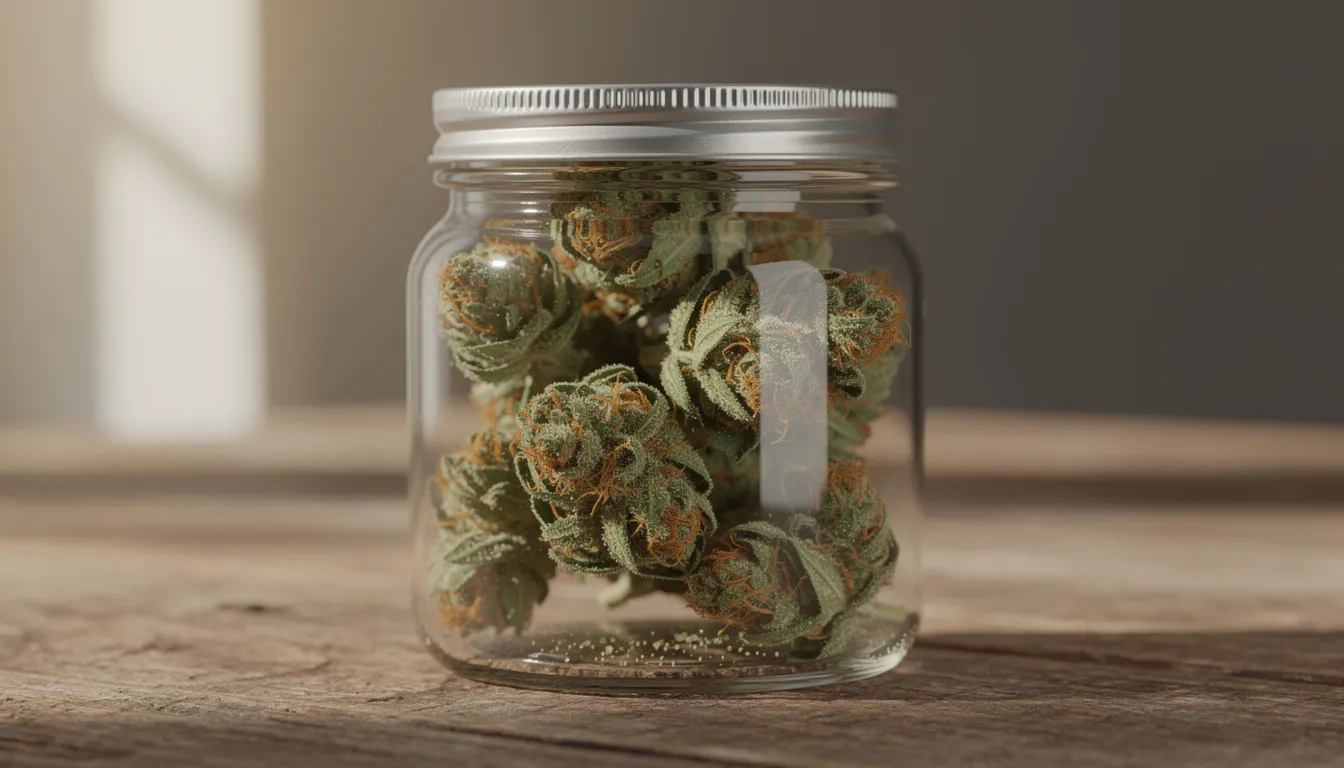
Dried flower for smoking cannabis or vaping
Concentrates and extracts (wax, shatter, oil) with extremely high THC content
Edibles including baked goods, sweets, and beverages
Vape cartridges and oils
Common street names include: weed, pot, grass, dope, skunk, hash, marijuana, Mary Jane, bud, and green. Names vary by region and youth culture.
The most common route of administration is smoking, but users also vape, consume edibles, or use oils. Modern cannabis products often have unknown and highly variable potency, making effects unpredictable and increasing the risk of negative experiences and cannabis induced psychosis.
How Cannabis Addiction develops
Not everyone who tries cannabis becomes addicted. Many people use it occasionally without developing problems. However, repeated use—particularly of high-potency products—can fundamentally alter brain chemistry and reward pathways, making the transition from casual experimentation to compulsive drug use faster than most people expect.
Tolerance
With regular cannabis use, the brain adapts to THC’s presence. Users develop tolerance, requiring progressively larger amounts to achieve the same effects. This often develops over weeks to months of consistent use, with consumption escalating from occasional weekend use to daily, then multiple times daily.
Physical dependence
While cannabis physical dependence is less severe than with some other drugs, the body does adapt to regular THC presence. When cannabis is unavailable, users may experience withdrawal symptoms including sleep disturbances, decreased appetite, and physical discomfort. These symptoms confirm the body’s reliance on the substance for normal functioning.
Psychological dependence
Psychological dependence often proves more challenging than physical symptoms. Users come to rely on cannabis for emotional regulation—to manage stress, anxiety, boredom, or low mood. Strong cravings, preoccupation with obtaining and using cannabis, and feeling unable to cope without it characterise this phase.
Binge patterns
Many users develop patterns of extended heavy use, smoking cannabis throughout the day or consuming large amounts in single sessions. Difficulty controlling the amount used—consistently using more cannabis than intended—is a hallmark sign of problematic cannabis use.
Self-medication trap
Many people begin using cannabis to manage mental health symptoms like anxiety, depression, or insomnia. While it may provide temporary relief, regular use often worsens these symptoms over time, creating a cycle where more cannabis is needed to manage the very problems it’s exacerbating.
Continuing despite consequences
The defining feature of addiction is continued use despite clear negative impacts. Users may recognise that cannabis is harming their relationships, work performance, or health, yet find themselves unable to stop. Failed attempts to cut down or quit reinforce the sense that control has been lost.
Brain Changes and Mental Health
THC interacts with cannabinoid receptors throughout the brain, affecting dopamine pathways involved in reward, motivation, and pleasure. With repeated heavy cannabis use, these circuits begin to change:
Memory, decision-making, and impulse control can all become impaired, making it harder to resist cravings or plan for the future
Chronic cannabis use is linked to increased anxiety, depressed mood, and in vulnerable individuals, psychotic symptoms
Cognitive impairment including difficulty concentrating, memory problems, and slower processing can persist for months after stopping
While cannabis may temporarily relieve negative emotions, uncontrolled regular use often worsens mood instability, anxiety, and depressive symptoms over time
In practical terms: you might find yourself thinking slower, feeling unmotivated even when sober, and struggling to manage daily life without cannabis to smooth things over.
Signs and Symptoms of Cannabis Addiction
Cannabis use disorder manifests through a cluster of physical, psychological, and behavioural changes. Recognising these signs early allows for intervention before severe mental health and cognitive consequences develop.
Physical signs
Psychological signs
Behavioural signs
Physical signs
Psychological signs
Mood swings and irritability when cannabis isn’t available
Anxiety, paranoia, or feeling anxious in social situations
Memory problems and difficulty concentrating
Lack of motivation and loss of interest in previously enjoyed activities
Depression and emotional instability
Preoccupation with obtaining, using, and recovering from cannabis
Behavioural signs
Using cannabis first thing in the morning
Unsuccessful attempts to cut down or quit
Neglecting work, school, and family responsibilities
Spending excessive money on cannabis despite financial strain
Lying about frequency and amount of use
Driving under the influence, increasing risk of motor vehicle accidents
Social isolation and changing friend groups to those who support drug use
Abandoning hobbies, relationships, and goals in favour of using cannabis
Severity markers suggest cannabis dependence has taken firm hold:
Daily or near-daily use
Needing cannabis immediately upon waking
Repeated unsuccessful attempts to cut down or stop
Continuing to use despite awareness of health effects or legal consequences
Short-term effects vs. warning signs
Understanding the difference between expected drug effects and early addiction warning signs helps with harm reduction and early intervention.
Short-term effects (expected with cannabis use):
Relaxation and sense of well being
Altered perception of time
Increased appetite (“munchies”)
Heightened sensory experiences
Mild euphoria
Impaired short-term memory and coordination
Effects typically wear off within 2-4 hours when smoking
Warning signs (indicating problematic cannabis use):
Needing to use multiple times daily to feel normal
Inability to function or cope without cannabis
Using increasingly larger amounts for the same effects
Continued use despite relationship, work, or health problems
Strong cravings between use sessions
Loved ones expressing concern about your marijuana use
Early recognition of these patterns allows for intervention before severe mental health issues and cognitive impairment develop.
Health risks of Long-Term Cannabis Misuse
Heavy or prolonged cannabis consumption can damage multiple body systems and cause problems that persist even after stopping. Understanding these risks is essential for anyone questioning whether their use has become problematic.

Respiratory and lung health
Smoking cannabis delivers tar and carcinogens to the lungs, causing:
Chronic bronchitis with persistent cough and phlegm production
Frequent respiratory infections
Reduced lung function and breathing difficulties
Potential increased risk of lung cancer, though more research is needed
Airway irritation and inflammation
Brain and cognitive function
Long-term effects of cannabis on the brain include:
Memory impairment affecting learning and recall
Reduced IQ, particularly in those who began adolescent cannabis use
Attention and concentration difficulties
Executive function deficits affecting planning and decision-making
Structural brain changes in heavy users, particularly in areas governing emotion and cognition
Mental health effects
Cannabis use is associated with significant mental health issues:
Increased risk of anxiety disorders and panic attacks
Depression and suicidal ideation
Cannabis induced psychosis and increased schizophrenia risk in vulnerable individuals
Amotivational syndrome characterised by apathy and reduced drive
Worsening of pre-existing psychiatric disorders
Social and life consequences
The broader impacts of cannabis dependence multiply over time:
Academic failure and work performance decline
Relationship breakdown and family conflicts
Financial problems from spending on the drug
Legal consequences including criminal charges
Loss of career opportunities and abandoned goals
Isolation from loved ones who don’t support continued use
Cannabis overdose, mixing drugs, and high-potency products
While fatal overdose from cannabis alone is extremely rare, cannabis can still cause serious emergencies and adverse reactions—particularly with modern high-potency products and when combined with other substances.
Cannabis overdose and emergency situations
Acute cannabis intoxication can produce distressing and sometimes dangerous symptoms:
Severe anxiety, paranoia, and panic attacks requiring emergency care
Cannabis hyperemesis syndrome—characterised by severe, uncontrollable vomiting in chronic users
Psychotic episodes with hallucinations and paranoid delusions
Rapid heart rate and blood pressure changes
Impaired coordination leading to falls and accidents
Extreme sedation and unresponsiveness with high-dose edibles
Emergency signs requiring immediate medical attention:
Severe chest pain or difficulty breathing
Persistent vomiting that won’t stop
Psychotic symptoms or loss of contact with reality
Unconsciousness or inability to be roused
Signs of self-harm or suicidal thoughts
Dangerous drug combinations
Cannabis combined with other drugs significantly increases risks:
Alcohol and cannabis: Amplifies impairment, dramatically increases risk of motor vehicle accidents, and can cause severe nausea and “greening out”
Depressants and sedatives: Combining cannabis with benzodiazepines or opioids increases sedation and respiratory depression
Prescription medications: Cannabis can interact with various medications, affecting how they’re metabolised
Polydrug addiction: Those with cannabis use disorder are at increased risk for alcohol use disorder and dependence on other substances
High-potency cannabis risks
Modern cannabis products bear little resemblance to marijuana of previous decades:
Historical cannabis: approximately 3-5% THC content
Modern strains: commonly 15-30% THC
Concentrates and extracts: 60-90% THC
This dramatic increase in potency translates to:
Faster development of tolerance and dependence
Significantly increased risk of psychosis and mental health issues
More severe withdrawal symptoms when stopping
Greater cognitive impairment
Unpredictable effects, especially for inexperienced users
The widespread misconception that cannabis is non addictive ignores the reality of modern high-potency products, which carry substantially greater addiction and mental health risks than cannabis of the past.
Cannabis Withdrawal and coming off Cannabis
Cannabis withdrawal is real, clinically recognised, and can be genuinely challenging—particularly for heavy, long-term users. While rarely dangerous, withdrawal symptoms are a significant barrier to quitting and a common trigger for relapse.
Common withdrawal symptoms
Cannabis withdrawal symptoms occur in approximately half of people seeking treatment for cannabis use disorder. Symptoms include:
Irritability, anger, and mood swings
Anxiety and restlessness
Difficulty sleeping and vivid, disturbing dreams
Decreased appetite and weight loss
Physical discomfort including headaches, sweating, and chills
Strong cravings for cannabis
Depressed mood and low energy
Difficulty concentrating and brain fog
Research indicates that certain symptoms—particularly nightmares and anger issues—can be especially prominent and persistent.
Withdrawal timeline and duration
Understanding the timeline helps those attempting to quit prepare for what’s ahead:
Days 1-3: Symptoms typically begin within 24-72 hours of stopping
Days 4-14: Peak intensity during the first week, with gradual improvement
Weeks 2-4: Most symptoms resolve, though sleep disturbances and mood issues may persist
Beyond one month: Some individuals experience prolonged cravings and mood changes
Factors affecting duration and severity:
Amount and frequency of use
Duration of cannabis use
Method of consumption
Individual metabolism and health
Presence of co-occurring mental health conditions
Managing withdrawal safely
Medical supervision is recommended for heavy users, those with psychiatric disorders, or those who’ve failed previous quit attempts
Seek professional help if withdrawal triggers severe depression, anxiety, or thoughts of self-harm
Self-care strategies include regular exercise, healthy nutrition, good sleep hygiene, and stress management
Support systems such as family, friends, and peer support groups significantly improve outcomes
Medication options are limited—there’s no specific approved pharmacotherapy for cannabis withdrawal, but healthcare providers may address individual symptoms
Getting help for Cannabis Addiction
Lasting recovery from cannabis addiction is absolutely possible. Many people have successfully stopped using and rebuilt their lives—even after years of heavy use. The mental health services administration and addiction specialists offer multiple treatment options suited to different needs and circumstances.
First steps to getting help
Talk to your GP or primary care doctor. They can assess your physical and mental health, discuss treatment options, and refer you to specialist services.
Contact local addiction or substance abuse services. These services are typically confidential and experienced in helping people with cannabis use disorder and other substance use disorders.
Call a free addiction assessment helpline. Many organisations offer 24/7 confidential support from trained counsellors.
Use online resources and self-assessment tools to better understand your use patterns and available support.
Treatment approaches
Treatment Type | Description |
|---|---|
Cognitive Behavioural Therapy (CBT) | Identifies triggers, challenges negative thought patterns, and develops coping strategies |
Motivational Enhancement Therapy | Builds motivation for change and resolves ambivalence about stopping |
Contingency Management | Uses tangible rewards to reinforce positive behaviors like abstinence |
Peer support groups | Provides community, accountability, and shared experience |
Outpatient programmes | Regular sessions while living at home suit those with stable support systems |
Inpatient/residential rehab | Intensive treatment away from triggers—helpful for severe addiction or failed outpatient attempts |
Specialised considerations
Co-occurring mental health conditions require integrated treatment addressing both substance use and psychiatric disorders
Adolescent cannabis use may require age-appropriate approaches involving family therapy
Family involvement can provide crucial support and improve treatment outcomes
Polysubstance use involving alcohol or other drugs requires comprehensive assessment and coordinated care
Building support networks
Involve trusted loved ones where safe—their support can be invaluable during recovery
Cannabis Anonymous and similar groups provide ongoing peer support and accountability
Aftercare planning prevents relapse through continued engagement with support services
Lifestyle changes, including new activities, exercise, and healthy relationships, support lasting recovery
Taking the first step is often the hardest part. Whether that’s making a phone call, booking a GP appointment, or simply telling someone you trust—the path to lasting recovery begins with that decision.
Lorem ipsum dolor sit amet, consectetur adipiscing elit. Ut elit tellus, luctus nec ullamcorper mattis, pulvinar dapibus leo.
Key takeaways
Cannabis addiction develops through tolerance and psychological dependence, especially with frequent heavy cannabis use
Mental health issues and cognitive impairment can be severe and long-lasting, particularly with adolescent cannabis use
Modern high-potency products significantly increase addiction and psychosis risk compared to historical cannabis
Cannabis withdrawal is real and uncomfortable but manageable with appropriate support
Multiple effective treatment options exist, from outpatient therapy to residential programmes
Early intervention significantly improves outcomes and reduces risk of permanent harm
Recovery is absolutely possible with proper professional help and support systems
If you’re concerned about your cannabis consumption—or someone else’s—the most important thing is to take action. Talk to a healthcare professional, contact substance abuse services, or reach out to a helpline for a free addiction assessment. You don’t have to figure this out alone, and help is available.