Can’t Sleep Without Alcohol? Understanding Why It Happens & What You Can Do
Medically Reviewed by
If you find yourself unable to drift off without a drink, you’re far from alone. Many people in the UK report difficulty falling asleep when they skip their usual evening alcohol, and the reasons involve both your brain chemistry and your bedtime habits. This article explains what’s actually happening in your body, why this pattern develops, and what gentle steps you can take to start sleeping naturally again.
Quick answer: why you feel you can't sleep without alcohol
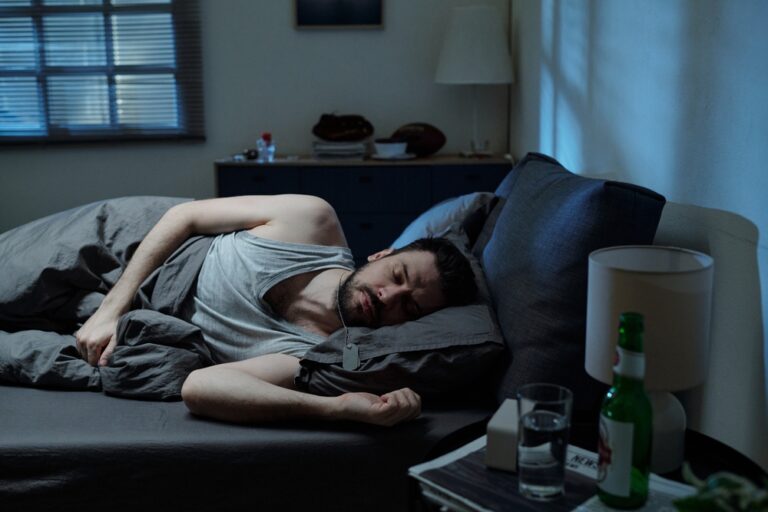
Drinking alcohol can make you feel drowsy at first because it enhances calming signals in your brain. However, alcohol disrupts normal sleep patterns, particularly REM sleep, which is the stage linked to memory, emotional processing, and feeling properly rested. The result is fragmented, poor-quality sleep, even if you technically spend enough hours in bed.
Over time, consuming alcohol regularly in the evening trains your brain and body to expect it. When you don’t drink, the absence can feel like instant insomnia, with racing thoughts and an inability to switch off. This happens even though sleep is actually healthier without alcohol in the long run.
This experience is common and recognised by organisations like the NHS and Drinkaware. Struggling to sleep without alcohol does not automatically mean you have an alcohol use disorder. For many people, small, steady changes to evening habits and a relaxing bedtime routine can gradually reduce reliance on alcohol for sleep.
Alcohol and sleep: what actually happens in your brain and body
Understanding the sleep science behind the “can’t sleep without alcohol” feeling can make it less frightening and more manageable. Once you know what’s happening, it becomes easier to see a path forward.
Normal sleep cycles involve several stages: light sleep (N1 and N2), deep sleep (N3), and rapid eye movement (REM) sleep. A typical adult cycles through these sleep stages every 90–120 minutes, repeating four to six times per night.
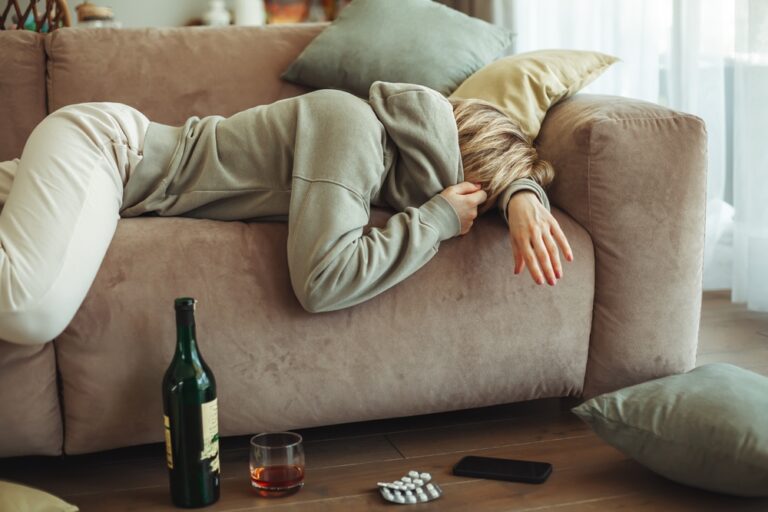
Alcohol is a central nervous system depressant. It enhances the activity of GABA, your brain’s main calming neurotransmitter, while suppressing glutamate, the alerting one. This is why people often fall asleep faster after drinking alcohol.
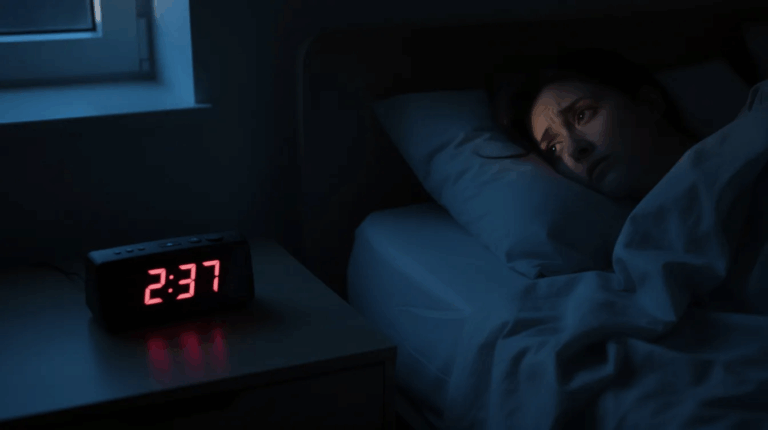
However, alcohol shortens the time to fall asleep but reduces REM sleep, especially in the first half of the night. As your body metabolises alcohol, sedation wears off, leading to lighter, more broken sleep, frequent nighttime awakenings, and early-morning waking around 3–4am. This “rebound wakefulness” leaves many people feeling unrefreshed despite logging seven or eight hours in bed.
How alcohol disrupts sleep architecture and REM sleep
Sleep architecture refers to the structure and pattern of sleep stages throughout the night. In healthy sleep, you progress smoothly through light sleep, deep sleep, and REM sleep in predictable cycles.
Alcohol typically increases deep N3 sleep early in the night, which can feel satisfying initially. However, it significantly suppresses REM sleep, the stage linked to dreaming, memory consolidation, and emotional processing. Studies suggest even moderate doses (two to three UK units) can reduce REM sleep by 20–50%.
As your liver metabolises alcohol, roughly one UK unit per hour, its sedative effects diminish. Your brain, now less suppressed, becomes more alert. This causes awakenings, lighter sleep, and sleep disruptions in the second half of the night.
The result is that REM disruption and fragmented sleep can leave you feeling exhausted, even after what seemed like a full night’s rest. Repeated nights of reduced REM and broken sleep can worsen mood, concentration, and anxiety, which in turn increases evening tension and the urge to drink for sleep.
REM rebound and vivid dreams when you cut down
After regular REM suppression by alcohol, the brain may temporarily produce extra REM sleep when you reduce or stop drinking. This phenomenon is called REM rebound.
REM rebound can cause:
Intense, vivid dreams
Nightmares or night terrors
Frequent awakenings during the night
Sleep paralysis in some cases
This experience can be unsettling, but it’s usually temporary, typically lasting one to four weeks. It’s actually a sign that your sleep system is trying to reset and restore natural sleep patterns.
Keeping a simple sleep diary for a couple of weeks can help you see that these patterns change and usually settle over time. Tracking when you sleep, when you wake, and the intensity of dreams provides perspective on your progress.
The cycle of alcohol and sleep disruption (and why it feels like you “need" a drink)
A common pattern develops: drink to unwind in the evening, fall asleep quickly, wake at 3–4am, feel exhausted the next day, then repeat the cycle. This creates a self-reinforcing loop that’s difficult to break.
The cycle typically works like this:
Use alcohol as a nightcap for short-term relief
Experience hidden disruption to sleep cycles overnight
Wake feeling tired and irritable
Cope with daytime fatigue through caffeine or naps
Feel stronger psychological pull to drink again that evening
Many people understandably misinterpret this pattern. “I only sleep when I drink” feels true, but in reality, alcohol is both masking and worsening underlying sleep issues. The sleep problems that existed before drinking become invisible, only to reappear when you try to sleep without alcohol.
Daytime coping habits, like extra caffeine, long afternoon naps, and irregular bedtimes, can unintentionally keep this cycle going. Stepping out of it is possible, but the first few nights or weeks often feel harder as your brain adjusts to sleeping naturally.
Psychological reliance: the “sleep ritual” around alcohol
Over time, your brain links certain cues with “time to switch off and sleep.” These might include the sight of a wine glass, a specific time of night, or settling down with a favourite TV programme. This learned association becomes powerful through repetition.
When you don’t have alcohol, this absence can trigger anxiety and racing thoughts at bedtime, even if your body is physically capable of sleep. The expectation that you need alcohol to sleep becomes a self-fulfilling prophecy.
The placebo effect plays a role here too. If you believe alcohol is your only sleep aid, that belief strongly influences how sleepy or alert you feel without it. Research suggests expectations can reduce perceived sleepiness by 20–30% when someone doesn’t drink.
The encouraging news is that alcohol is just one part of a larger evening wind-down routine. You can gradually reshape that routine with other calming activities that signal “sleep time” to your brain.
Physical tolerance and night-time withdrawal symptoms
Tolerance develops when your body becomes used to regular alcohol. Over months or years, the same amount has less noticeable sedative effect, so you may need more to feel the same drowsiness.
When someone who drinks most evenings suddenly stops, they may notice short-term physical symptoms at night:
Restlessness and difficulty staying asleep
Sweating or feeling overheated
Shakiness or trembling
Pounding heart or rapid pulse
Feeling “on edge” or anxious
These withdrawal symptoms can be mild for some people and more severe for others. For heavy daily drinkers, severe symptoms such as confusion, hallucinations, or seizures require urgent medical attention via NHS 111 or emergency services.
This article is informational and not a substitute for medical advice. If you’re concerned about withdrawal symptoms or how much alcohol you’re drinking, consulting a GP is a sensible step.
Is it normal to struggle to sleep without alcohol?
Difficulty sleeping when changing drinking patterns is common. NHS and sleep specialists recognise this as a frequent experience, not an unusual or shameful one.
“Normal” varies considerably between individuals:
Drinking pattern | Typical adjustment time |
|---|---|
Light use | 3–7 days |
Moderate use | 1–2 weeks |
Heavy use | 1–3 months |
Struggling to sleep without alcohol does not automatically mean you’re “addicted.” It can simply reflect that your body and brain have adapted to regular alcohol use and now need time to readjust.
Common experiences when first trying to sleep without alcohol include:
Taking longer to fall asleep (30–60 minutes more initially)
More time lying awake in the night
Vivid or disturbing dreams
Lighter or more broken sleep
Two to four awakenings per night
Gentle self-monitoring over two to four weeks helps you notice gradual change. Track your bedtime, wake time, awakenings, and how rested you feel. Progress often becomes clearer when you look at trends rather than judging night by night.
When to speak to a healthcare professional
Some situations warrant medical advice. Using calm, non-urgent language, here are signs to seek professional input:
Not sleeping at all for several consecutive nights
Severe night-time anxiety or panic attacks
Chest pain or difficulty breathing
Confusion or disorientation
Hallucinations (seeing or hearing things that aren’t there)
History of seizures when cutting down alcohol
Persistent insomnia lasting more than a few weeks
In the UK, your GP, NHS 111, or local NHS alcohol services can discuss alcohol and sleep in confidence. Talking to a professional early can help you plan safe changes and avoid unnecessary discomfort. A sleep specialist may also be helpful if sleep problems persist after stopping alcohol consumption.
Support in Rehab for Physical Alcohol Dependence
If you are physically addicted to alcohol, professional alcohol rehab services provide essential medical supervision and tailored treatment plans to support your recovery journey. Physical dependence means your body has adapted to regular alcohol consumption, and stopping suddenly can lead to withdrawal symptoms such as tremors, sweating, anxiety, and insomnia, which can be severe or even dangerous without proper care.
In residential rehab clinics, experienced medical teams monitor your health 24/7 during detox to safely manage withdrawal symptoms and reduce risks. This includes administering medications when appropriate to ease discomfort and prevent complications. Rehab also offers structured support to address both the physical and psychological aspects of addiction, helping you build healthy sleep habits, cope with cravings, and develop strategies to maintain long-term sobriety.
Choosing medically supervised detox and rehab ensures you are not alone in overcoming physical alcohol dependence. With expert care, personalised treatment plans, and ongoing support, you can safely transition to a healthier life free from alcohol addiction.
Other reasons you might not sleep without alcohol
Alcohol is often only one part of the picture. Sleep can be affected by lifestyle, mental health, and medical conditions that alcohol may have been “covering up.”
Common contributors to poor sleep include:
Stress and worry
Shift work or irregular hours
A noisy or bright bedroom
Underlying anxiety or depression
Recognised sleep disorders can also coexist with alcohol use. These include insomnia disorder, obstructive sleep apnoea, and restless legs syndrome. Some people with long-standing trouble sleeping start using alcohol to self-manage, creating a two-way relationship between the sleep problem and drinking alcohol.
A curious, non-blaming approach helps. Sleep is a system influenced by light exposure, physical activity, caffeine, screen use, and bedtime habits, not just alcohol.
Daytime habits that quietly keep you awake at night
What you do during the day significantly affects your sleep wake cycle:
Caffeine: Drinking coffee or tea after mid-afternoon blocks adenosine, the signal that builds sleep pressure
Nicotine: Acts as a stimulant that can disrupt sleep
Long daytime naps: Sleeping past 3pm or for more than 20 minutes can shift your body clock
Late wake times: “Catching up” on sleep at weekends makes it harder to feel sleepy at your regular bedtime
Reduced daylight: Working indoors all day, especially in winter, weakens your circadian rhythm
Lack of physical activity: Regular movement supports deeper, more restful sleep
Small, realistic changes to daytime routines often make it easier to sleep without relying on alcohol at night.
Gentle ways to start sleeping without alcohol
This section offers light, practical guidance rather than treatment instructions. The emphasis is on gradual, achievable changes that feel sustainable.
Rather than overhauling everything at once, pick one or two changes to try first. Small steps add up over time.
Adjusting alcohol use gradually
Some people find it easier to reduce evening alcohol slowly rather than stopping alcohol consumption abruptly. This depends on current drinking levels and medical advice.
Practical approaches include:
Having fewer drinks in an evening
Choosing lower-strength options (4% beer instead of 12% wine)
Setting a “last drink” time at least three to four hours before bed
Spacing drinks with water to reduce dehydration
Anyone who drinks heavily every day should speak to a healthcare professional before making significant changes, due to the risk of alcohol withdrawal insomnia and other withdrawal symptoms during the acute withdrawal phase.
Building a new wind-down routine
Design a 30–60 minute wind-down routine that doesn’t revolve around alcohol but still feels satisfying. The key is creating new associations with sleep.
Examples of calming activities:
A warm bath or shower
Herbal tea like chamomile (which contains apigenin, a mild GABA booster)
Reading a familiar book
Gentle stretching or progressive muscle relaxation
Listening to calming music or an audio story
Repeating the same calming steps at roughly the same time teaches your brain to associate these cues with sleep, just as it previously did with alcohol. Keep this routine low effort and realistic so it’s sustainable even on busy or stressful days.
Sleep hygiene and circadian rhythm basics
Core sleep hygiene steps support healthy sleep habits:
Area | Recommendation |
|---|---|
Sleep timing | Regular sleep and wake times, even at weekends (±30 minutes) |
Bedroom | Cool (16–18°C), dark, and quiet |
Screens | Limit phones and laptops in the hour before bed |
Morning light | 10–30 minute walk outside between 8–10am |
Evening meals | Avoid heavy food close to bedtime |
Caffeine | No coffee or strong tea after 2pm |
Exercise | Regular activity, but not vigorous exercise late evening |
Morning daylight exposure is particularly important for supporting your circadian rhythm and melatonin timing. This matters especially during UK winters when daylight hours are limited.
Perfection isn’t required. Even partial improvements in routine can make it easier to drift off without alcohol over time. A regular sleep schedule is one of the most effective sleep aids available.
Managing night-time worry and “racing thoughts”
Lying awake without alcohol can make thoughts feel louder and more uncomfortable at first. This occasional difficulty falling asleep is normal during the adjustment period.
Simple, evidence-informed tools can help:
Worry dump: Write a brief to-do list or “worry list” earlier in the evening to offload concerns before bed
4-7-8 breathing: Inhale for 4 seconds, hold for 7, exhale for 8 (reduces arousal by 20–30%)
Progressive muscle relaxation: Systematically tense and release muscle groups
Audio distractions: Listen to a podcast or audio story with the screen turned away
Struggling to switch off mentally is common and not a personal failing. Small techniques can gradually reduce the intensity of night-time rumination as part of your early recovery of natural sleep patterns.
Risks of relying on alcohol for sleep
Long-term reliance on alcohol for sleep can affect overall health in several ways, as recognised in NHS and Drinkaware information:
Liver strain: Fatty liver develops in up to 90% of heavy drinkers
Cardiovascular effects: Increased risk of hypertension (20–30% higher)
Mood: REM loss doubles the odds of depression
Accidents: Daytime sleepiness triples the risk of accidents
Sleep-specific risks include worsening insomnia, ongoing REM disruption, increased daytime fatigue, and higher chances of snoring. Over time, alcohol tolerance may lead to gradually increasing evening intake, amplifying both health and safety concerns.
If you’re worried about how much alcohol you’re consuming or its effects on your health, opening a conversation with a GP can provide personalised advice and sleep support.
Alcohol, snoring, and sleep apnoea
Alcohol relaxes the muscles of the throat and tongue, which can increase snoring and episodes of obstructive sleep apnoea in susceptible people. Sleep disordered breathing becomes more common with regular evening drinking.
Signs of sleep apnoea include:
Loud snoring
Pauses in breathing noticed by a partner
Morning headaches
Heavy daytime sleepiness
Waking with a dry mouth or sore throat
Alcohol close to bedtime can make these breathing disturbances longer and more frequent, and may make it harder to wake during an episode. Research suggests alcohol use worsens sleep apnoea by 25–50% in affected individuals.
Anyone concerned about snoring or apnoea should consider discussing it with their GP, especially those who feel very sleepy during the day or have underlying heart or lung conditions. Stopping alcohol consumption often improves sleep apnoea symptoms, though some cases require additional treatment through sleep medicine specialists.
FAQs
Is it normal that I only fall asleep after a drink?
This is common but not ideal. It usually reflects a mix of sleep disruption, habit, and expectations rather than true inability to sleep without alcohol. Your brain has learned to associate alcohol with sleep onset, but this association can be unlearned with time and practice.
How long does it take for sleep to normalise if I cut down?
For most people, days to weeks. Light users often see improvement within a week, while heavier drinkers may need one to three months. REM rebound and lighter sleep are temporary. Monitoring your sleep patterns over a month gives a clearer picture than judging individual nights.
Does needing alcohol to sleep mean I’m dependent?
Feeling you “need” alcohol can be a warning sign of alcohol dependence, but only a professional can properly assess this. Many people who struggle to sleep without alcohol don’t meet criteria for alcohol addiction. A non-judgemental chat with a GP can help clarify your situation.
Is it safe to stop drinking suddenly if I use alcohol to sleep?
This depends on how much and how often you drink. Those who engage in binge drinking occasionally may have fewer issues than daily heavy drinkers. Anyone who drinks heavily daily or nearly every day should seek medical supervision before stopping abruptly to manage persistent withdrawal symptoms safely.
Who can I talk to about alcohol and sleep in the UK?
Options include your GP, NHS 111, local NHS alcohol services, and support groups. Reputable information resources include NHS online and Drinkaware. Treating insomnia that coexists with alcohol use may involve developing a treatment plan with healthcare professionals who understand both issues.
Author
-

Dr Otulana has been practising medicine since 2000 and brings over a decade of dedicated experience as an Addiction Physician. He is a highly experienced Physician with a Specialist Interest in Substance Misuse Management, with extensive expertise in the assessment, treatment, and safe detoxification of individuals facing drug and alcohol dependency. His clinical work spans a broad range of complex addiction presentations, ensuring patients receive thorough, evidence-based care tailored to their needs.
Known to many as Dr Ola, he adopts a compassionate, person-centred approach to treatment. He carefully considers each individual’s previous experiences of detoxification and rehabilitation, shaping care plans that are responsive, respectful, and clinically robust. His commitment to delivering high-quality, individualised care has consistently generated positive feedback from patients and colleagues alike.
Alongside his clinical practice, Dr Otulana has a strong background in leadership and strategic development within healthcare. He holds a Master of Business Administration (MBA) from Cambridge University Judge Business School and has contributed to strategic decision-making, service development, and the creation of clinical protocols that enhance patient outcomes and operational effectiveness.
Dr Otulana is an Advanced Addiction Practitioner Member of Addiction Professionals and holds the Certificate in Clinical Psychopharmacology (Part 1) from the British Association for Psychopharmacology. Combining medical expertise with strategic insight, he is a well-rounded healthcare professional dedicated to advancing standards of care in addiction treatment.